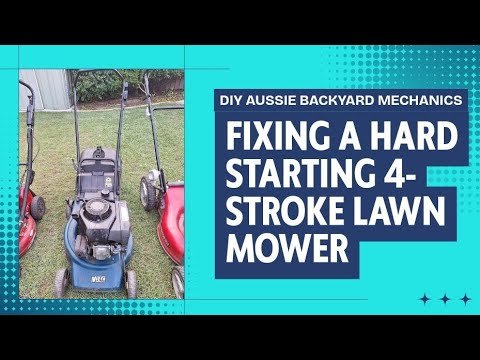
Is your mower giving you a hard time starting just when you need it most? You’re not alone.
A mower that struggles to start can turn a simple task into a frustrating ordeal. But don’t worry—fixing this problem is easier than you think. In this guide, you’ll discover straightforward tips and tricks to get your mower running smoothly again.
Keep reading, and you’ll be back to cutting your grass with confidence in no time.
Common Causes Of Hard Starting
Struggling to start your mower can be frustrating, especially when you’re ready to tackle yard work. Identifying the common causes of hard starting can save you time and money. Let’s break down the usual suspects so you can get your mower running smoothly again.
Fuel Issues
Old or contaminated fuel often causes hard starting. Gasoline left in the tank for months can lose its effectiveness and clog fuel lines. If your mower sits unused for a while, draining the old fuel and refilling with fresh gas can make a big difference.
Check also for water in the fuel, which can happen if the mower is stored outside or in damp conditions. Water prevents combustion, so draining and cleaning the fuel system might be necessary.
Spark Problems
Without a strong spark, the mower’s engine won’t ignite the fuel-air mixture. A worn or dirty spark plug is a common issue. Removing the plug and inspecting it for carbon buildup or damage can tell you if it needs cleaning or replacement.
Have you ever noticed your mower sputtering before finally starting? That’s often a sign of weak or inconsistent sparking. Testing the spark plug with a spark tester helps confirm if the problem lies here.
Air Filter Blockage
An air filter clogged with dirt and debris chokes the engine’s airflow. This restricts the oxygen needed for combustion, making starting difficult. Cleaning or replacing the air filter regularly keeps the engine breathing properly.
If your mower struggles to start after mowing in dusty or grassy areas, the air filter might be the culprit. Don’t overlook this simple check when troubleshooting.
Carburetor Trouble
The carburetor mixes fuel and air in the right ratio for the engine to run smoothly. Dirt, varnish, or gum buildup inside can disrupt this balance and cause hard starting. Cleaning the carburetor with a proper spray or rebuilding it can restore performance.
Sometimes, adjusting the carburetor settings improves starting and running. If you’re unsure, consulting the mower’s manual or a professional can prevent damage.
Battery And Electrical Faults
For electric-start mowers, a weak or dead battery often leads to hard starting. Check the battery charge level and connections. Corroded terminals or loose wires can block power flow, so clean and tighten them as needed.
Have you tried jump-starting your mower battery? If it starts easily after that, replacement or proper charging might be necessary. Electrical faults beyond the battery, like faulty ignition switches, can also cause issues.
Preparing For Repairs
Fixing a mower that starts hard involves checking spark plugs and fuel lines. Ensure the air filter is clean for better airflow. Regular maintenance can prevent many starting issues.
Preparing your lawn mower for repairs ensures a smoother and safer process. Before diving into fixing a hard-starting mower, laying the groundwork is crucial. This preparation phase helps you tackle the issue effectively. Let’s explore the steps to get ready for the repair.Gathering Tools And Supplies
Start by collecting the necessary tools. A socket wrench set is essential. Grab a spark plug wrench as well. Have a screwdriver set on hand. Fuel stabilizer might be needed. Gather oil and a clean cloth. Having these tools ready saves time.Safety Precautions
Prioritize safety before beginning any repairs. Make sure the mower is off. Disconnect the spark plug to prevent accidental starting. Wear gloves to protect your hands. Use safety goggles to shield your eyes. Ensure the area is well-ventilated. Safety is key to a hassle-free repair.Checking The Owner’s Manual
Consult the owner’s manual for specific instructions. Manuals provide valuable guidance. They detail parts and troubleshooting tips. Follow the manual’s safety advice. Use it to identify model-specific requirements. This step ensures you’re on the right track. By preparing properly, you enhance repair efficiency. Your mower will be back in action soon.Fixing Fuel-related Problems
Fuel issues are a common cause of mower hard starting. Old or contaminated fuel can clog the engine, making it struggle to ignite. By focusing on the fuel system, you can often restore smooth starting and avoid costly repairs.
Draining Old Fuel
Fuel left in your mower for months can break down and lose its effectiveness. Draining this old fuel removes varnish and deposits that block engine parts.
Make sure you drain the fuel tank in a well-ventilated area and dispose of the old gasoline properly. This simple step often clears up starting problems quickly.
Refilling With Fresh Gasoline
Using fresh gasoline ensures your mower gets the clean energy it needs. Gasoline with ethanol can attract moisture, so choose ethanol-free fuel if possible.
Fill the tank with fresh fuel and add a fuel stabilizer to keep it fresh longer. Have you noticed how much smoother your mower runs after a fresh fill-up?
Cleaning The Fuel Filter
The fuel filter traps dirt and debris before they reach the engine. Over time, it can get clogged and reduce fuel flow.
Remove the filter and inspect it for dirt buildup. Clean or replace it to restore proper fuel flow and improve starting performance.
Inspecting Fuel Lines
Fuel lines can crack, leak, or become blocked, stopping fuel from reaching the engine. Carefully check all fuel lines for damage or blockages.
Replace any cracked or brittle lines immediately. A small crack can cause big starting headaches—don’t overlook this simple inspection.
Addressing Spark Issues
Spark issues often cause mower hard starting. The spark plug and ignition coil play key roles in creating the spark. Checking these parts ensures the engine gets the spark it needs to start. Troubleshoot spark problems by inspecting and cleaning parts or replacing them if needed. This process helps restore smooth mower operation.
Removing And Inspecting The Spark Plug
Start by removing the spark plug using a spark plug wrench. Check the plug for dirt, damage, or wear. Look at the electrode and insulator for cracks or deposits. A worn or fouled spark plug can stop the engine from starting. Note the color of the plug; black soot means a rich fuel mixture. Light tan or gray suggests normal operation.
Cleaning Or Replacing The Spark Plug
Clean the spark plug with a wire brush to remove carbon deposits. Use a spark plug cleaner if available. Check the gap between the electrodes with a feeler gauge. Adjust the gap to the manufacturer’s specifications. Replace the spark plug if it is cracked or excessively worn. A new spark plug improves ignition and starting performance.
Checking The Ignition Coil
The ignition coil sends voltage to the spark plug. Test the coil for continuity using a multimeter. Measure resistance at the coil’s primary and secondary terminals. Compare readings to the mower’s manual specifications. Replace the coil if resistance values are outside the normal range. A faulty coil prevents the spark plug from firing properly.
Cleaning And Replacing The Air Filter
Cleaning and replacing the air filter is one of the simplest yet most effective ways to fix a mower that struggles to start. A clogged or dirty air filter restricts airflow, making the engine work harder and often causing hard starting issues. Taking a few minutes to check and maintain your air filter can save you from frustration and costly repairs.
Removing The Air Filter
Locate the air filter cover on your mower, usually found on the side of the engine. Most covers are held in place by clips or screws—use a screwdriver if needed to open it carefully. Once open, gently remove the air filter without damaging it, paying attention to how it fits for easy reinstallation.
Washing Or Replacing Filter Material
If your mower uses a foam air filter, you can clean it with warm, soapy water. Rinse thoroughly and let it dry completely before reinstalling. For paper filters, it’s best to replace them if they look dirty or damaged, as washing can reduce their effectiveness.
Have you noticed how much dirt and debris your filter traps after just a few uses? This buildup can choke the engine and cause starting problems, so don’t overlook this step.
Reinstalling The Filter
Place the clean or new air filter back into its housing exactly as it was before. Secure the air filter cover firmly to prevent any gaps where dirt could enter. Double-check that everything fits snugly—loose parts can cause air leaks, leading to poor engine performance.
Taking the time to reinstall the filter properly ensures your mower breathes easy and starts smoothly every time you pull the cord.

Credit: www.youtube.com
Carburetor Maintenance
Carburetor maintenance plays a crucial role in solving mower hard starting issues. A dirty or clogged carburetor can prevent the engine from getting the right fuel-air mixture, making it difficult to start. Keeping your carburetor clean ensures smooth fuel flow and reliable engine performance.
Removing The Carburetor
Start by disconnecting the spark plug wire to avoid accidental starts. Locate the carburetor, usually attached to the side of the engine. Remove the air filter housing to access it easily.
Carefully detach the fuel line and throttle linkages. Use a wrench or screwdriver to remove the mounting bolts holding the carburetor in place. Remember to keep track of all small parts to avoid losing them.
Cleaning Carburetor Jets
Once the carburetor is off, disassemble it by removing the float bowl and accessing the jets inside. Carburetor jets are tiny openings that can easily get clogged with dirt or old fuel deposits.
Use a carburetor cleaner spray and a fine needle or compressed air to clear any blockages. Avoid enlarging the jets by using tools that are too large or applying excessive force.
- Spray cleaner into all small holes and passages
- Soak stubborn parts in carburetor cleaner for 15-20 minutes
- Gently brush off deposits with a soft brush
Reassembling And Testing
After cleaning, carefully reassemble the carburetor parts in the correct order. Double-check that all gaskets and seals are intact to prevent leaks.
Reattach the carburetor to the engine, reconnect the fuel line and linkages, and reinstall the air filter housing. Reconnect the spark plug wire, then try starting your mower.
If it starts smoothly, you’ve fixed the problem. If not, consider checking the fuel quality or the spark plug next. Have you noticed any fuel leaks or unusual engine noises after cleaning? Those clues can guide your next steps.
Electrical System Checks
Electrical issues often cause mower hard starting problems. Checking the electrical system can save you time and money before replacing parts. Focus on the battery and wiring to ensure your mower gets the power it needs to start smoothly.
Inspecting The Battery
Start by examining your mower’s battery for any obvious signs of damage. Look for cracks, leaks, or corrosion around the terminals. Even slight corrosion can interrupt the power flow and cause starting issues.
Check the battery’s charge level with a voltmeter. A fully charged battery usually reads around 12.6 volts or higher. If your battery reads below 12 volts, it may struggle to provide enough power for starting.
Testing Connections And Wiring
Loose or damaged wiring can stop your mower from starting. Wiggle the cables connected to the battery and ignition switch to see if any connections are unstable. You want everything tight and free of rust or dirt.
Inspect the wiring harness for cracks or frays. Even one broken wire can interrupt the electrical flow. Use a multimeter to test for continuity and locate any hidden wiring issues.
Charging Or Replacing The Battery
If your battery is low on charge but otherwise healthy, try charging it with a compatible charger. Avoid jump-starting with a car battery unless you’re confident; it can damage your mower’s electrical system.
Sometimes a battery simply won’t hold a charge anymore. If you notice rapid power loss or it fails to start after charging, replacement is the best option. Choose a battery designed for your mower’s model for reliable performance.
Additional Troubleshooting Tips
Sometimes, the cause behind a mower’s hard starting isn’t obvious. Digging a little deeper with some additional checks can save you time and frustration. These troubleshooting tips focus on simple yet often overlooked areas that can make a big difference in getting your mower running smoothly again.
Checking Engine Oil Levels
Low or dirty engine oil can cause your mower to struggle when starting. Check the oil level using the dipstick, and make sure it sits between the minimum and maximum marks. If the oil looks dark or gritty, it’s time to change it.
Have you ever ignored the oil level and pushed the mower too hard? I learned the hard way that running with low oil not only makes starting tough but can also damage the engine. Keeping oil fresh and topped up ensures smoother starts and longer engine life.
Ensuring Proper Choke Operation
The choke helps the engine get the right air-fuel mix when starting cold. If it’s not engaging or disengaging correctly, your mower may hesitate or stall. Check that the choke moves freely and fully closes when pulled.
Sometimes, dirt or sticky residue can jam the choke mechanism. Cleaning around the choke lever and linkage with a small brush or spray can restore proper function quickly. Ask yourself: is the choke fully open once the engine warms up? Leaving it closed too long can flood the engine and cause starting issues.
Looking For Mechanical Damage
Physical damage to key parts like the spark plug, air filter, or fuel lines can block your mower from starting properly. Inspect these components carefully for cracks, breaks, or leaks. Even a small tear in the fuel line can disrupt fuel flow.
When was the last time you replaced your spark plug? A worn or fouled spark plug often causes hard starting. Removing it to check the gap and condition can reveal hidden problems. If you spot any damage, don’t hesitate to replace the part—it’s usually cheaper and faster than deeper repairs.
Preventive Maintenance Tips
Preventive maintenance keeps your mower running smoothly. It reduces hard starting problems and extends mower life. Simple care steps save time and money on repairs. Follow these tips to maintain your mower effectively.
Regular Cleaning Schedule
Clean your mower after each use. Remove grass clippings and dirt from blades and deck. Clear air filters to improve airflow. Wipe spark plugs gently to avoid buildup. Clean parts prevent clogging and engine strain.
Seasonal Tune-ups
Check your mower at the start of each season. Change the oil and replace spark plugs. Inspect the fuel system for leaks or blockages. Sharpen blades to ensure smooth cutting. Seasonal checks keep your mower ready for heavy use.
Proper Storage Practices
Store your mower in a dry, sheltered place. Drain fuel or add fuel stabilizer before storage. Disconnect the battery for electric mowers. Cover the mower to protect from dust and moisture. Proper storage prevents rust and engine damage.
Credit: dengarden.com

Credit: www.youtube.com
Frequently Asked Questions
Why Is My Mower Hard To Start Suddenly?
A mower can be hard to start due to stale fuel, dirty spark plugs, or clogged air filters. Regular maintenance and using fresh fuel help prevent starting issues.
How Can I Fix A Mower That Won’t Start?
Check the fuel level, replace old fuel, clean or replace the spark plug, and clear the air filter. These steps usually solve most starting problems.
Does The Spark Plug Affect Mower Starting?
Yes, a dirty or faulty spark plug can cause hard starting. Cleaning or replacing the spark plug often restores easy starting.
How Often Should I Change Mower Fuel?
Change mower fuel every 30 days or before storage. Old fuel causes starting issues and affects engine performance.
Conclusion
Fixing a mower that won’t start can save time and money. Check the spark plug, fuel, and air filter first. Clean or replace parts as needed. Regular mower care prevents most starting problems. Keep tools ready for quick fixes. A little effort goes a long way.
Start your mower smoothly and enjoy your work. Simple steps make a big difference.





