
If your mower isn’t starting or running smoothly, the spark plug might be the problem. Knowing how to reinstall your mower’s spark plug can save you time and money.
In this guide, you’ll learn simple steps to get your mower back in action quickly. By following these easy tips, you’ll avoid common mistakes and keep your mower working like new. Ready to fix your mower and get back to your yard work?
Let’s dive in.
Tools Needed
To reinstall a mower spark plug, several essential toolsare needed. A spark plug sockethelps remove and tighten the plug safely. A ratchet wrenchis used to turn the socket with ease. A gap gaugeensures the spark plug gap is correct for efficient ignition.
Optional accessories can make the job easier. A wire brushcleans the spark plug threads and surrounding area. Anti-seize lubricantprevents the plug from sticking in the cylinder head. Gloves protect your hands from dirt and sharp parts.
- Spark plug socket
- Ratchet wrench
- Gap gauge
- Wire brush (optional)
- Anti-seize lubricant (optional)
- Gloves (optional)
Safety Precautions
Always turn off the mowerbefore starting work. Disconnect the spark plug wireto avoid accidental starts. Use a wrench to gently pull the spark plug boot away from the spark plug. This stops the mower from starting while you work.
Wear protective glovesto keep hands safe from dirt and sharp parts. Use safety glassesto protect eyes from dust and debris. Avoid loose clothing or jewelry that might get caught in mower parts. Work in a well-lit areato see clearly and avoid mistakes.
Removing The Old Spark Plug
First, find the spark plug on the mower. It’s usually on the side. Look for a thick wire connected to a small part. This is the spark plug wire. Carefully pull the wire off. Now, you can see the spark plug. It’s a small metal part with threads.
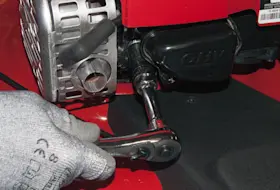
Use a spark plug wrench to loosen the plug. Turn it to the left. Keep turning until the plug is loose. Gently pull out the old spark plug. Be careful not to damage any parts. Now, the old spark plug is removed. Ready for a new one!
Inspecting The Spark Plug
Check the spark plug carefully for cracks, carbon buildup, or oil deposits. These signs mean the plug may not work well.
Look at the electrode and insulator. If they are worn outor damaged, replacement is needed. A spark plug should have a clean, light tancolor.
Too much black sootshows poor engine performance. This means the spark plug is dirty or faulty.
| Condition | Meaning | Action |
|---|---|---|
| Cracked Insulator | Plug may misfire | Replace immediately |
| Black Soot | Engine running rich | Clean or replace |
| Oil Deposits | Engine oil leak | Replace and check engine |
| Worn Electrode | Weak spark | Replace plug |
Replace the spark plug if the mower starts hard or runs poorly. Also, change it after about 100 hoursof use or every season.
Choosing The Right Spark Plug
Choosing the right spark plug is key for your mower’s performance. The plug must match the engine’s specifications. Check the owner’s manual for the correct size, heat range, and gap. Using the wrong plug can cause starting issuesor engine damage.
Here are some recommended brandsknown for quality and reliability:
- NGK
- Bosch
- Champion
- Briggs & Stratton
| Specification | Details |
|---|---|
| Size | Check thread diameter and reach length |
| Heat Range | Matches engine temperature needs |
| Gap | Distance between electrodes, usually 0.030-0.035 inches |
Credit: www.searspartsdirect.com
Installing The New Spark Plug
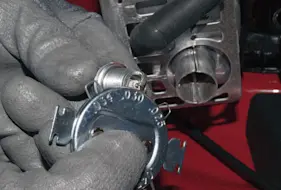
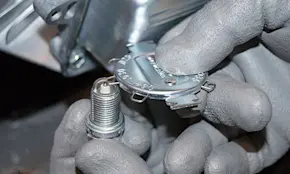
Set the spark plug gap correctly before installing. The gap size affects engine performance. Use a gap tool to measure the distance between the electrodes. Adjust by gently bending the ground electrode until the correct gap is reached. Check the gap twice to ensure accuracy.
Start threading the spark plug by hand. This prevents cross-threading and damage. Turn the plug clockwise carefully until it is snug. Hand-tightening ensures the spark plug fits properly.
| Torque Value | Action |
|---|---|
| New Spark Plug | Tighten 1/2 to 2/3 turn past hand tight |
| Used Spark Plug | Tighten 1/8 to 1/4 turn past hand tight |
Use a torque wrench to apply the exact amount of force. This avoids over-tightening or loosening during use. Follow the mower’s manual for the correct torque specs. Proper tightening extends the spark plug’s life and helps the engine run smoothly.
Testing The Mower
Check the spark plug before starting the engine. A clean and dry spark plug helps the engine start easily. Use a spark tester or hold the plug close to the engine while pulling the starter cord. Look for a strong spark. No spark means the plug might be dirty or damaged.
Common issues include:
- Engine won’t start:Spark plug may be faulty or wires loose.
- Engine runs rough:Plug could be dirty or worn out.
- Fuel smell:Plug may be wet with fuel, causing misfire.
Fix problems by cleaning the plug with a wire brush or replacing it. Tighten any loose wires. Test again to confirm the engine starts smoothly.
Credit: www.searspartsdirect.com
Credit: www.searspartsdirect.com
Frequently Asked Questions
How Often Should I Replace My Mower Spark Plug?
Replace the spark plug every 25-50 hours of use or once per mowing season. Regular replacement ensures efficient engine performance and easier starts.
What Tools Do I Need To Reinstall A Spark Plug?
You need a spark plug socket, ratchet wrench, and a gap gauge. These tools help remove and properly install the spark plug without damage.
How Do I Check The Spark Plug Gap Size?
Use a spark plug gap gauge to measure the gap. Adjust the gap according to your mower’s manual specifications for optimal engine performance.
Can A Dirty Spark Plug Cause Mower Problems?
Yes, a dirty spark plug can cause poor engine performance, hard starting, and misfires. Cleaning or replacing it restores smooth operation.
Conclusion
Reinstalling a mower spark plug is simple and quick. Take your time and follow the steps carefully. This small task can improve your mower’s performance greatly. A clean and tight spark plug helps the engine run smoothly. Regular maintenance keeps your mower ready for work.
Now, your mower should start easily and run well. Keep checking the spark plug to avoid future problems. You can handle this job yourself with confidence. Simple care saves money and time on repairs later. Give your mower the attention it needs today.





