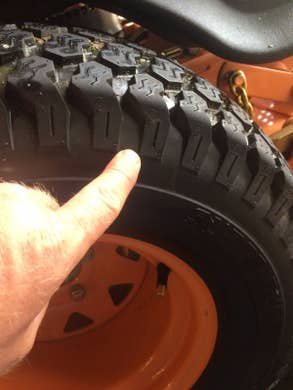
Have you ever noticed your mower tire losing air and wondered if you could fix it yourself? You might be surprised to learn that plugging mower tires is often possible—and it can save you time and money.
But is it the right solution for your situation? You’ll discover when and how mower tires can be plugged safely, so you can get back to work without worry. Keep reading to find out what you need to know before grabbing that tire plug kit.

Credit: www.familyhandyman.com
Signs Of A Damaged Mower Tire
Common tire issuesinclude cracks, punctures, and worn tread. Cracks on the tire sidewall can cause air leaks and weaken the tire. Punctures from nails or sharp objects let air escape slowly or quickly. Worn tread reduces grip and can make mowing unsafe. Bulges or bubbles on the tire surface show internal damage and need attention.
How to spot a leakis simple. Check if the tire feels soft or low on air. Listen for a hissing sound near the tire. Spray soapy water on the tire surface. Bubbles will form where air escapes. Also, check if the mower pulls to one side while mowing. This might mean one tire has less air than the other.
When To Plug A Mower Tire
Small puncturesin mower tires can often be plugged safely. Tires with holes less than 1/4 inch wide usually qualify. Larger cuts or sidewall damage cannot be repaired by plugging.
Check the tire’s air pressure after the damage. If it drops quickly, plugging may not hold well. Also, look for cracks or dry rot, which weaken the tire’s structure.
Safety is key. Riding on a plugged tire on uneven ground can cause accidents. Make sure the tire is inflated properly before use. Replace the tire if damage is too severe or if the tire is old.
- Do not plug tires with sidewall damage
- Use plugs only for small punctures in the tread
- Check air pressure after plugging
- Replace tires that leak air quickly
- Always prioritize safety over cost
Tools And Materials Needed
To fix a mower tire, gather some essential supplies. You need a tire plug kit. It includes a plug tool and rubber plugs. Get a tire sealantfor extra safety. A tire pressure gaugeis also important. It checks if the air is right. Don’t forget a tire pumpto add air.
Some tools make the job easier. A jackhelps lift the mower safely. Use glovesto protect your hands. A flashlightcan help in dark places. Keep a small knifehandy. It cuts any extra plug material. These tools are helpful but not required.

Credit: www.reddit.com
Step-by-step Tire Plugging
Start by cleaning the tire surface around the hole. Remove any dirt or debris to help the plug stick better. Deflate the tire fully to avoid accidents. Use a tire reamer tool to make the hole smooth and even. This helps the plug fit properly.
Push the tire plug into the hole using a plug insertion tool. Make sure the plug goes deep inside the hole. Pull the tool out gently, leaving the plug in place. Trim the extra plug material sticking out, so it is flush with the tire surface.
Inflate the tire to the recommended pressure. Check if the plug holds air by spraying soapy water on the repair spot. Look for bubbles, which mean air is leaking. If no bubbles appear, the plug seals the hole well. Let the tire sit for a while, then recheck to confirm the repair.
Alternative Quick Fixes
Tire sealantsoffer a quick way to fix small holes in mower tires. These liquids fill punctures and harden inside the tire. This stops air from leaking out. The process is fast and easy. Sealants work best for tiny punctures and not large holes.
Temporary patchesprovide another quick repair option. These patches stick on the tire’s inner surface. They cover the hole to hold air in. These patches are good until a permanent fix is done. They help avoid tire removal during urgent use.
| Quick Fix | Use | Best For |
|---|---|---|
| Tire Sealants | Injected inside tire | Small punctures |
| Temporary Patches | Stuck inside tire | Short-term fixes |

Credit: www.youtube.com
Preventing Future Tire Damage
Regular checks help keep mower tires in good shape. Check tire pressure often. Low pressure can cause damage. Keep tires clean from dirt and sharp objects. Remove stones or nails stuck in tires. Store the mower in a dry place. Avoid long exposure to sunlight to prevent cracking. Rotate tires regularly to ensure even wear. Use the right tire type for your mower model. Proper care extends tire life and saves money on replacements.
When To Replace The Tire Instead
A tire plug works best for small, simple punctures less than 1/4 inch wide. Large holes or sidewall damage cannot be fixed with a plug. If the tire has multiple punctures close together, plugging may not hold. Cracks, tears, or worn-out tread are signs the tire needs replacement. A plug will not fix slow leaks caused by rim damage or valve problems.
| Cost Factor | Plugging Tire | Replacing Tire |
|---|---|---|
| Price | Low, usually under $20 | Higher, $50 to $150 or more |
| Durability | Temporary fix, may fail | Long-lasting, better safety |
| Time | Quick repair | Takes more time to replace |
| Safety | Less reliable for big damage | More reliable for heavy use |
Frequently Asked Questions
Can Mower Tires Be Safely Plugged At Home?
Yes, mower tires can be plugged safely at home using a tire plug kit. Ensure the puncture is on the tread, not the sidewall. Follow the kit instructions carefully for a secure, temporary fix that prevents air leaks and extends tire life.
How Long Does A Plugged Mower Tire Last?
A plugged mower tire typically lasts several months to a season. The repair is temporary and best for small punctures. For long-term use, consider replacing the tire or having a professional inspect it.
When Should You Not Plug A Mower Tire?
Avoid plugging mower tires with sidewall damage or large holes. Plugs work only for small punctures in the tread area. Severe damage requires tire replacement to ensure safety and proper mower operation.
What Tools Are Needed To Plug A Mower Tire?
You need a tire plug kit, including a reamer, insertion tool, and rubber plugs. Additionally, use pliers and an air compressor or pump to inflate the tire after plugging.
Conclusion
Mower tires can often be plugged to fix small holes. This method saves money and time compared to full tire replacement. Plugging works best for simple punctures, not big damage. Always check the tire’s condition before deciding to plug. Proper tools and steps help ensure a good repair.
Keep your mower tires in good shape for better lawn care. Regular checks prevent bigger problems later on. Simple fixes like plugging help your mower last longer.





