
Are you gearing up to tackle your lawn care routine and wondering if your lawn mower needs mixed gas? This question is more common than you might think, and getting the fuel mix right is crucial for the health of your mower and the beauty of your lawn.
Imagine the frustration of a sputtering mower just when you’re ready to tidy up your yard. You certainly don’t want to be stuck in that situation. We’ll clear up any confusion, saving you time and potential repair costs. Stick around to find out exactly what your lawn mower needs to run smoothly and efficiently, ensuring your grass looks its best all season long.
Types Of Lawn Mower Engines
Understanding the types of lawn mower engines helps you decide if mixed gas is necessary for your mower. Different engines have unique fuel needs that affect performance and maintenance. Knowing the difference can save you time, money, and frustration.
Two-stroke Engines
Two-stroke engines require a mix of gasoline and oil to run properly. The oil lubricates the engine because these mowers don’t have a separate oil reservoir. Using straight gasoline in a two-stroke engine can cause severe damage quickly.
Many handheld mowers and smaller models use two-stroke engines because they are lighter and simpler. You’ll often see a recommended gas-to-oil ratio like 50:1, which means 50 parts gas to 1 part oil. Mixing fuel correctly is crucial—have you ever tried running a two-stroke engine without mixing oil? The results aren’t pretty.
Four-stroke Engines
Four-stroke engines run on straight gasoline and have a separate oil system for lubrication. This design makes them more efficient and easier to maintain for many homeowners. You don’t need to mix oil with gas for these engines, which simplifies fueling.
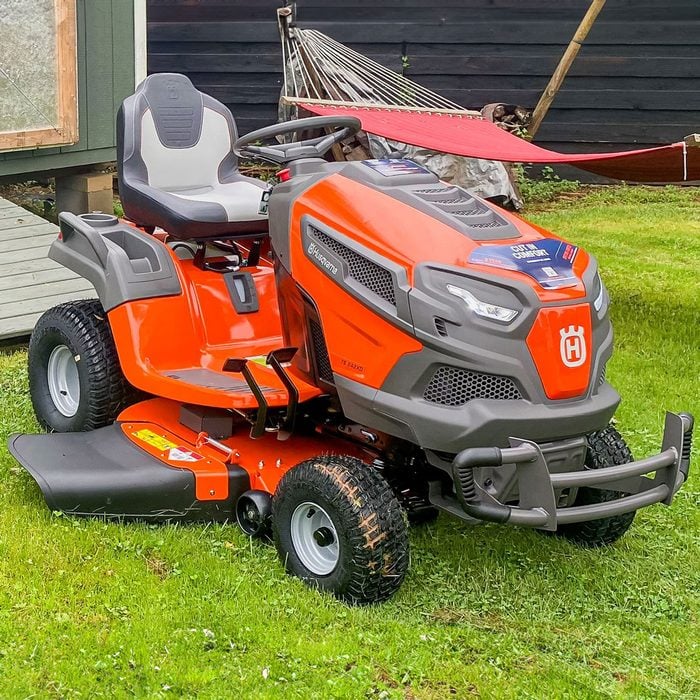
Most push mowers and larger lawn tractors use four-stroke engines due to their durability and fuel efficiency. If you’re wondering whether your mower needs mixed gas, check if it has a separate oil reservoir. That’s a clear sign it runs on regular gasoline.

Credit: www.familyhandyman.com
What Is Mixed Gas?
Mixed gas is a fuel blend used in some small engines like lawn mowers. It combines gasoline and oil in specific amounts. This blend helps engines run smoothly and last longer. Not all lawn mowers need mixed gas, but many two-stroke engines do. Understanding what mixed gas is helps you care for your mower properly.
Gasoline And Oil Ratios
The ratio shows how much gasoline and oil to mix. Common ratios include 50:1 or 40:1. This means 50 or 40 parts gasoline to 1 part oil. Using the right ratio is key. Too much oil can cause smoke and deposits. Too little oil can damage the engine.
| Ratio | Gasoline (parts) | Oil (parts) |
|---|---|---|
| 50:1 | 50 | 1 |
| 40:1 | 40 | 1 |
Purpose Of Mixing Fuel
Oil in the mix lubricates the engine parts. It reduces friction and heat inside the engine. This prevents wear and tear on small parts. Gasoline powers the engine by burning fuel for energy. Mixed gas keeps the engine clean and running well. It also prevents costly repairs and breakdowns.
When Mixed Gas Is Needed
Knowing when to use mixed gas in your lawn mower can save you time and prevent costly damage. Not all mowers require a fuel mix, but certain types do. Understanding which ones need it and the signs your mower shows can help you maintain it better and keep your lawn looking perfect.
Lawn Mowers Requiring Mixed Gas
Most modern lawn mowers with four-stroke engines run on straight gasoline, so they don’t need mixed gas. However, if you own a two-stroke engine mower, mixed gas is necessary. These smaller, lighter engines rely on a blend of gasoline and oil to lubricate internal parts and prevent wear.
Examples of lawn mowers that typically need mixed gas include:
- Older or vintage two-stroke mowers
- Some handheld mowers or brush cutters with two-stroke engines
- Certain lightweight or portable models designed for easy maintenance
Check your mower’s manual or the engine label to confirm the fuel type. Using the wrong fuel can cause engine damage or poor performance.
Signs Your Mower Needs Mixed Fuel
Sometimes, it’s not obvious whether your mower requires mixed gas. Watch for these signs that indicate your mower runs better with a fuel-oil blend:
- Excessive smoke:White or blue smoke coming from the exhaust often means the engine lacks proper lubrication.
- Difficulty starting:If your mower struggles to start or stalls frequently, it might be starving for oil in the fuel.
- Engine overheating:Two-stroke engines need oil mixed with gas to cool moving parts. Overheating suggests a lack of lubrication.
- Unusual engine noise:Squealing or knocking sounds can be a sign of friction caused by insufficient oil.
When you notice these symptoms, try using the correct mixed fuel ratio recommended by the manufacturer. This simple step can improve your mower’s lifespan and performance significantly.
Using Regular Gasoline
Using regular gasoline in lawn mowers depends on the type of engine the mower has. Some mowers run perfectly on straight gas without any mix. Understanding which mowers accept regular gasoline helps in proper maintenance and performance.
Mowers That Use Straight Gas
Many modern lawn mowers have four-stroke engines. These engines run on regular gasoline only. No need to mix oil with the fuel in these mowers. The oil is added separately to the engine. This design makes them easier to use and maintain.
Push mowers and riding mowers often have four-stroke engines. These mowers usually require regular unleaded gas. Check the mower’s manual to confirm the fuel type. Using the correct fuel extends the mower’s life.
Risks Of Using Wrong Fuel
Using the wrong fuel can damage the mower’s engine. Mixing gas in a mower that needs straight gas causes clogging. It can also lead to poor performance and hard starts. The engine may overheat or stall frequently.
Running a two-stroke engine on regular gas alone is risky. These engines need a gas-oil mixture for proper lubrication. Without oil, the engine parts can wear out fast. Repairs from wrong fuel use can be expensive.
How To Mix Fuel Correctly
Mixing fuel correctly is vital for your lawn mower’s performance and longevity. Using the right blend of oil and gasoline prevents engine damage and ensures smooth running. Understanding proper fuel mixing helps avoid costly repairs and keeps your mower ready for work.
Choosing The Right Oil
Use high-quality two-stroke engine oil. Avoid automotive or motor oils made for cars. Two-stroke oil burns cleanly and protects the engine parts. Look for oils labeled for air-cooled engines or specifically for lawn mowers. Synthetic oils offer better protection but standard two-stroke oil works well too.
Mixing Ratios To Follow
Check your lawn mower’s manual for the exact fuel-to-oil ratio. Common ratios include 50:1 or 40:1, meaning 50 parts gasoline to 1 part oil. Use a clean container to mix fuel. Pour gasoline first, then add oil. Mix gently by shaking or stirring. Never guess the ratio; too much oil causes smoke and deposits. Too little oil leads to engine wear.
Storage Tips For Mixed Gas
Store mixed fuel in a clean, sealed container. Use containers made for gasoline storage. Label the container with the mixing date. Mixed fuel lasts about 30 days before it degrades. Keep it in a cool, dry place away from heat or sunlight. Avoid storing mixed gas in your mower’s tank for long periods.
Credit: www.familyhandyman.com
Fuel Maintenance Tips
Proper fuel maintenance keeps your lawn mower running smoothly and extends its life. Neglecting fuel care can lead to engine problems and costly repairs. Understanding how to manage your mower’s fuel correctly will save you time and money.
Avoiding Fuel Contamination
Contaminated fuel clogs the carburetor and causes poor engine performance. Always use clean, fresh containers to store your gas or mixed fuel. Avoid filling your mower directly from old fuel cans that may contain dirt or water.
Water in fuel is a common problem that can ruin your engine. Check for any signs of moisture before fueling. Using a fuel stabilizer helps prevent water buildup and keeps your fuel pure.
Keeping Fuel Fresh
Fuel loses its effectiveness over time, especially mixed gas for two-stroke engines. Try to buy only the amount you need for the season. If you don’t use your mower often, add a fuel stabilizer to keep the gas fresh longer.
Storing fuel in a cool, dark place slows down its degradation. Avoid exposing fuel containers to direct sunlight or extreme temperatures. Have you noticed your mower sputtering after sitting unused? That’s often a sign of old, stale fuel causing trouble.
Troubleshooting Fuel Issues
Fuel problems often cause lawn mowers to stop working properly. Identifying these issues quickly can save time and money. Fuel can degrade, clog, or cause engine trouble if not handled right. Troubleshooting helps keep your mower running smoothly.
Common Fuel-related Problems
- Engine won’t start or runs poorly
- Fuel line clogs or leaks
- Carburetor blockage due to old fuel
- Fuel tank contamination with dirt or water
- Incorrect fuel mix causing engine knocking
- Fuel evaporation leading to hard starts
Solutions And Preventive Measures
- Use fresh fuel and avoid storing it for long
- Drain old fuel before storing mower for months
- Clean or replace fuel filters regularly
- Inspect fuel lines for cracks and leaks often
- Mix fuel correctly if using a two-stroke engine
- Keep the fuel tank and cap clean and sealed
- Run the mower dry before long storage

Credit: ahmcorp.com
Frequently Asked Questions
Do Lawn Mowers Require Mixed Gas Fuel?
Most modern lawn mowers do not need mixed gas. They use regular unleaded gasoline. However, some older or two-stroke models require a fuel-oil mix.
What Happens If I Use Regular Gas In A Two-stroke Mower?
Using regular gas in a two-stroke mower can cause engine damage. It lacks the necessary oil for lubrication. Always mix oil and fuel as specified by the manufacturer.
How To Mix Gas And Oil For Lawn Mowers?
Mix gas and oil in the ratio recommended by the mower’s manual. Common ratios are 50:1 or 40:1. Use fresh gasoline and two-stroke oil for best results.
Can I Store Mixed Gas For Lawn Mowers?
Mixed gas should be used within 30 days. Storage beyond this can cause fuel degradation and engine issues. Always prepare fresh mixes for optimal mower performance.
Conclusion
Choosing the right fuel keeps your lawn mower running well. Most lawn mowers need mixed gas, but check your manual first. Using the correct fuel saves money and stops engine problems. Gas and oil mixes help engines stay cool and clean.
Avoid using straight gasoline unless your mower says it is okay. Taking care of your mower means better cutting and longer life. Simple steps make your lawn care easier and less stressful. Keep your mower happy with the right fuel mix.





