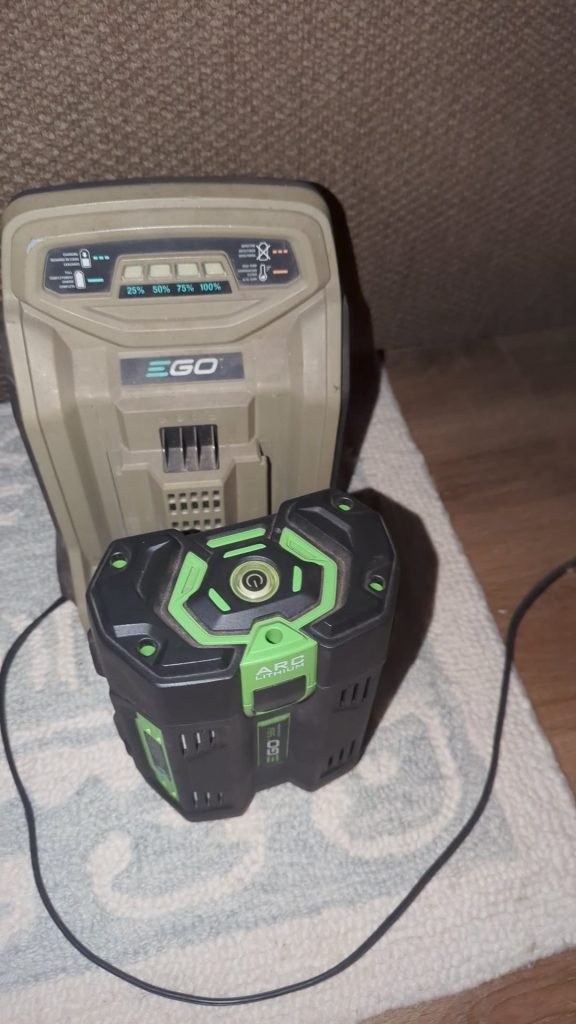
Is your mower’s battery losing power faster than it should? You’re not alone.
When your mower won’t hold a charge, it can be frustrating and stop you right in your tracks. But why does this happen? Understanding the real reasons behind a weak battery can save you time, money, and hassle. You’ll discover the common causes and simple fixes that can get your mower running smoothly again.
Keep reading—you’re just a few steps away from solving this annoying problem for good.

Credit: www.batteriesplus.com
Common Causes Of Battery Drain
Old or worn-out batterieslose their ability to hold a charge. Over time, battery cells weaken and cannot store power well. This causes the mower to stop working quickly.
A faulty charging systemmeans the battery is not getting enough power. If the mower’s alternator or charger is broken, the battery will drain fast and stay empty.
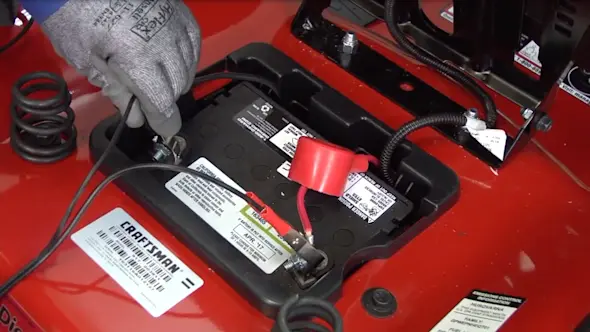
Corroded battery terminalsblock the flow of electricity. Dirt or rust on the terminals stops the battery from charging fully. Cleaning the terminals can improve the battery’s life.
Parasitic electrical loadsare devices that keep draining power even when the mower is off. Lights or alarms left on can cause the battery to die.
Extreme weatheraffects battery performance. Cold weather slows down battery chemistry, while heat causes faster wear and tear. Both make the battery lose charge quickly.
Credit: www.searspartsdirect.com
Signs Of A Failing Mower Battery
A slow engine startoften means the battery is weak or old. The mower may take longer to turn on or struggle to start at all.
Dimming lights or indicatorsshow the battery is not holding charge well. Lights may flicker or get dim when the mower runs.
Battery leakage or swellingis a clear sign of damage. Swollen batteries are unsafe and need replacement immediately.
Quick Fixes To Restore Battery Life
Dirty terminals can stop a battery from charging well. Use a soft cloth to clean the terminals. They must be free of dirt and corrosion. A mix of baking soda and water helps. Gently scrub with an old toothbrush. Rinse with clean water. Dry the terminals completely. This ensures a good connection.
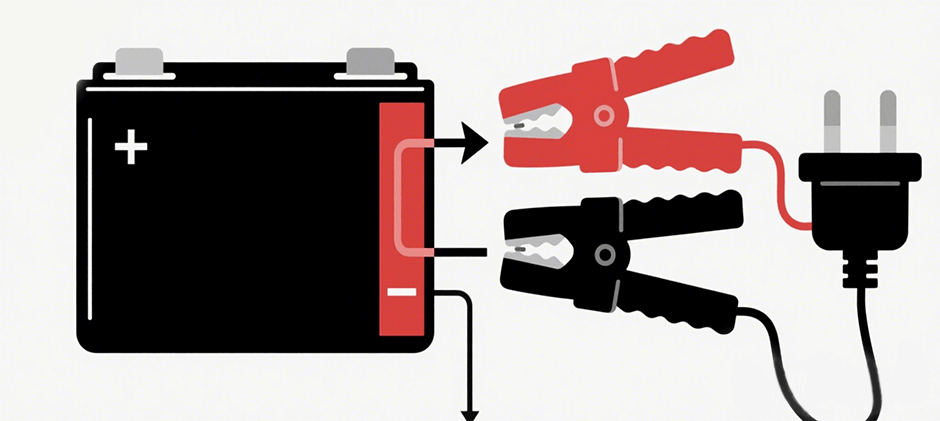
Charge the battery fully using a proper charger. Ensure connections are tight. After charging, check the voltage with a multimeter. A healthy battery reads around 12.6 volts. If lower, the battery may be weak. Test it under load to confirm. Consistent low readings mean the battery may fail soon.
If the battery doesn’t hold charge, it may need replacing. Choose the right size and type for your mower. Install it carefully. Ensure all connections are tight and clean. This ensures the battery works well and lasts long.
The charging system keeps the battery charged. Check the alternator and voltage regulator. Ensure wires are not loose or damaged. Test the system with a multimeter. It should read between 13.8 and 14.4 volts. If not, repair or replace faulty parts. This helps the battery stay charged.
Credit: www.fridayparts.com
Maintenance Tips For Longer Battery Life
Battery life shortens when left unused or stored in cold places. Regular charging and cleaning terminals can help keep the mower battery healthy and lasting longer. Avoid letting the battery fully drain to maintain its charge capacity.
Regular Battery Inspections
Check the battery terminals for dirt and corrosion often. Clean them with a soft brush if needed. Look for cracks or leaks on the battery case. Make sure the battery is tight in its holder to avoid vibrations. Keep the battery dry and free from rust. Early detection helps prevent bigger problems.
Proper Storage Practices
Store the battery in a cool, dry place during the off-season. Avoid places with extreme heat or cold. Remove the battery from the mower if storing for months. Charge it fully before storing. This helps keep the battery healthy and ready to use.
Avoiding Overcharging
Do not leave the battery connected to the charger too long. Overcharging can damage the battery cells. Use a charger with an automatic shut-off feature. Unplug the charger once the battery is full. This extends the battery’s life span.
Using Battery Maintainers
- Battery maintainers keep the battery charged without overcharging.
- They work well during long storage periods.
- Plug in the maintainer to keep the battery at a safe level.
- This prevents the battery from losing charge or dying completely.
Frequently Asked Questions
Why Does My Mower Battery Lose Charge Quickly?
Mower batteries lose charge due to age, improper storage, or faulty charging. Cold weather and corrosion also reduce battery life. Regular maintenance and correct charging extend battery performance and prevent quick discharge.
How To Fix A Mower Battery That Won’t Hold Charge?
Clean the battery terminals and check for corrosion. Use a smart charger to recharge fully. Replace the battery if it’s old or damaged. Proper storage during off-season helps maintain charge capacity.
Can A Faulty Mower Charger Cause Battery Issues?
Yes, a faulty charger can undercharge or overcharge the battery. This damages battery cells and reduces capacity. Always use a compatible charger and test it regularly to ensure proper battery charging.
How Does Weather Affect Mower Battery Life?
Extreme cold or heat drains mower batteries faster. Cold weather reduces chemical activity inside the battery, lowering charge retention. Store the battery in a temperature-controlled environment to prolong its life.
Conclusion
A mower battery that won’t hold charge can cause big problems. Old age, dirt, or poor use often lead to this issue. Regular cleaning and proper storage help keep the battery healthy. Checking connections and charging correctly also makes a difference.
Sometimes, replacing the battery is the best choice. Taking small steps can save time and money. Keep your mower ready for any job. Don’t let a weak battery slow you down. Simple care keeps your mower running strong.





