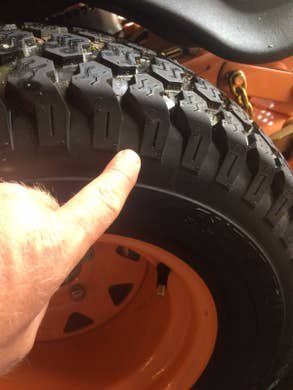
Have you ever noticed a slow leak in your mower tires and wondered if you could fix it yourself? You might be asking, “Can mower tires be patched?”
The good news is, in many cases, you don’t need to replace the entire tire. Fixing a mower tire can save you time, money, and frustration. But how do you know when a patch will work and when it’s time for a new tire?
Keep reading to find out exactly what you need to do to get your mower rolling smoothly again.
Mower Tire Damage Types
Mower tirescan suffer from many types of damage. Common issues include punctures, tears, cuts, and worn-out treads. Sharp objects like nails or glass often cause punctures. Tears happen when the tire hits something hard or sharp. Worn treads reduce traction and make mowing unsafe.
Identifying damage early helps avoid bigger problems. Puncturesappear as small holes or air leaks. Sometimes, the tire loses air slowly. Tearslook like cracks or splits on the tire surface. These can get worse if ignored. Check tires regularly for cuts or bulges, which signal internal damage.
- Sharp debris causes punctures and cuts
- Hitting hard objects creates tears or splits
- Overuse leads to worn tread and poor grip
- Low tire pressure can cause bulges or cracks

Credit: www.youtube.com
Assessing Patch Feasibility
Patching mower tiresis possible in some cases. Small holes or punctures can be fixed easily. Use a tire patch kit designed for rubber tires.
Check the tire carefully. If the damage is on the tread area, patching works well. Sidewall damage is harder to fix and often unsafe.
- Punctures smaller than 1/4 inch can be patched.
- Leaks caused by nails or screws are good candidates for patching.
- Clean the area before applying the patch for better adhesion.
Replace the tireif:
- The tire has large cuts or tears.
- The sidewall is cracked or damaged.
- The tire is old and worn out.
- The tire loses air quickly even after patching.
Tools And Materials Needed
Essential tools include a tire patch kit, air compressor, and tire levers. Materials like rubber cement and patches help seal holes effectively. Proper preparation ensures a successful mower tire repair.
Essential Repair Supplies
To fix mower tires, gather these essential supplies. A tire plug kit is important. It helps seal the hole. Tire sealant can be useful too. Use it to coat the inside. A tire inflator or pump is needed. It will refill the air. A clean rag is helpful. Use it to wipe the area. A spray bottle with soapy water helps. It finds leaks easily.
Safety Gear For Tire Repair
Safety is very important. Wear gloves to protect hands. Safety goggles shield eyes from debris. Closed-toe shoes are best for foot safety. A clean workspace is necessary. It helps avoid accidents. Always read instructions on products. It ensures proper use and safety.

Credit: www.youtube.com
Step-by-step Tire Patching
Take the mower tire off the wheel carefully. Use tools like a wrench or tire iron. Lay the tire flat on a clean surface. This makes fixing easier and safer.
Find the leak by listening for hissing sounds or feeling for air. Soapy water spray helps spot bubbles at the hole. Mark the spot with chalk or tape for easy finding.
Clean the area around the hole well. Use sandpaper to roughen the surface slightly. This helps the patch stick better. Wipe away dust and dirt with a cloth.
Apply glue or rubber cement on the prepared spot. Wait a few minutes for it to get sticky. Press the patch firmly on the glue. Hold it in place until it sticks well.
Put the tire back on the wheel carefully. Tighten all nuts and bolts securely. Check if the tire holds air by inflating it. Make sure it spins smoothly on the mower.
Tips For Long-lasting Repairs
Proper tire inflationhelps keep mower tires in good shape. Always check the air pressure before using the mower. Tires with low air wear out faster and can cause poor mower performance. Use a pressure gauge to get the right amount of air. Overinflated tires may crack or burst. Underinflated tires can bend or get flat spots.
Regular maintenance checksprevent small problems from becoming big ones. Look for cuts, cracks, or nails stuck in the tire. Clean off dirt and debris to avoid damage. Tighten loose bolts and make sure the wheels spin freely. Fixing issues early saves money and keeps the mower safe to use.

Credit: www.reddit.com
Alternatives To Patching
Tire sealantsare liquids that plug small holes quickly. They work by spreading inside the tire and hardening around the puncture. This stops air leaks without removing the tire. Sealants are easy to use and save time. They are good for tiny holes but may not fix big cuts or tears.
Tubeless tiresdo not have inner tubes. This design helps prevent flats because the tire holds air directly. Tubeless tires often seal small punctures by themselves. They also allow the use of sealants inside for extra protection. Replacing old tires with tubeless ones can reduce the chance of getting a flat tire.
Frequently Asked Questions
Can Mower Tires Be Repaired With Patches?
Yes, mower tires can be patched if the damage is small and on the tread. Proper cleaning and sealing are essential for a lasting repair.
How Long Does A Mower Tire Patch Last?
A well-applied patch can last several months to years. However, exposure to rough terrain and weather may reduce its lifespan.
When Should I Replace Mower Tires Instead Of Patching?
Replace tires if the sidewall is damaged, or the tire has multiple punctures. Severe wear or cracks also mean replacement is safer.
Is Patching Mower Tires Cost-effective?
Patching is cheaper than buying new tires. It’s a quick fix for minor punctures, saving money and extending tire life temporarily.
Conclusion
Mower tires can often be patched to fix small holes or leaks. Patching saves money and extends tire life. Larger damage might need a full tire replacement. Always check the tire carefully before patching. Use the right patch kit and follow instructions closely.
Regular tire care helps avoid frequent repairs. Keep your mower running smoothly with good tire maintenance. Patching is a simple, practical way to fix minor tire issues.





