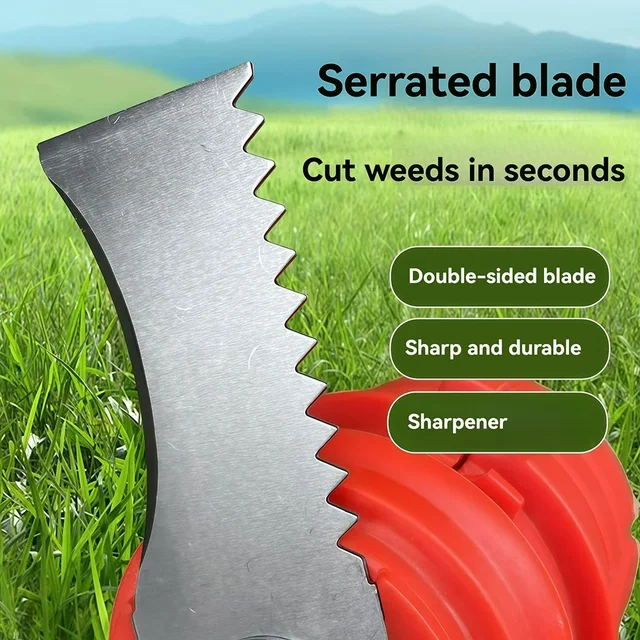
Are you tired of stubborn weeds ruining your perfectly mowed lawn? You might be wondering if your mower blades can handle the job of cutting through those pesky intruders.
Understanding whether mower blades are up to the task can save you time, effort, and even money. You’ll discover how mower blades work on weeds, what limitations they have, and the best ways to keep your yard looking its best.
Keep reading to find out if your mower is the secret weapon you need against weeds.
Mower Blades And Weed Cutting
- Standard Blades:Designed for regular grass cutting.
- Mulching Blades:Cut grass finely to feed the lawn.
- High-Lift Blades:Create strong air flow for better cutting.
- Gator Blades:Good for thick grass and light weeds.
Sharp bladescut more cleanly and quickly. Dull blades tear weeds, causing damage and slow cutting. Regular sharpening keeps blades effective and safe. Blades must be sharp enough to slice through weeds easily.
Mower blades struggle with thick or woody weeds. Some weeds have deep roots or hard stems. Blades may only cut the top, allowing weeds to grow back fast. For tough weeds, other tools like trimmers or herbicides work better.

Credit: www.mowmore.com
Weed Types And Mower Suitability
Soft-stemmed weedsare easier to cut with mower blades. They have thin, flexible stems that blades can slice through cleanly. Hard-stemmed weedsare tougher and may need sharper blades or other tools. Their thick, woody stems can dull blades quickly.
Some weeds resist mowing because they grow back fast or have deep roots. Examples include thistlesand bindweed. Mowing may only trim their tops without killing the plant.
| Season | Weed Growth Pattern | Mowing Effectiveness |
|---|---|---|
| Spring | New weed shoots appear quickly | Good to mow frequently |
| Summer | Weeds grow fast and tall | Mowing helps but may not stop growth |
| Fall | Weeds slow down growth | Mowing less needed |
Enhancing Mower Performance
Keeping mower blades sharpensures they cut grass and weeds cleanly. Dull blades tear plants, causing uneven cutsand weak growth. Regularly check blades for dentsor bends. Sharpen or replace as needed.
Adjusting mower height affects weed control. Set the mower height to cut weeds at the right level. Too low can damage grass. Too high leaves weeds to grow.
- Mulching bladeschop grass and weeds finely.
- They help return nutrients to the soil.
- Mulching blades reduce weed growth by cutting weeds into small pieces.
Alternative Weed Control Methods
Mower blades can trim small weeds but may not fully remove tough or deep-rooted ones. Cutting weeds this way offers quick cleanup but might need frequent mowing to keep them down. Using mower blades works best alongside other weed control methods.
Manual Removal Techniques
Pull weeds with your hands. Use a trowel for stubborn roots. This method is safe for the environment. It requires time and effort. Wear gloves to protect your hands.Herbicide Application
Herbicides kill weeds quickly. Read labels before use. Follow safety instructions. Use sprays for large areas. Spot treat small patches. Keep pets away until dry.Natural Weed Control Solutions
Vinegar can kill many weeds. Spray on a sunny day. Boiling water works too. Pour directly on the weed. Mulch blocks sunlight from reaching soil. Prevents weed growth. Use natural mulch like wood chips or leaves. `Lawn Care Practices To Prevent Weeds
Cutting your lawn often helps keep weeds small and weak. Mow your grass so it stays about 2 to 3 inches tall. This height stops weeds from getting sunlight and growing strong. Avoid cutting too short. It can hurt grass and let weeds grow faster.
Good soil helps grass grow thick and healthy. Use fertilizer to give your lawn nutrients. Healthy soil holds water and food well. This makes grass stronger and stops weeds from taking over.
Planting more grass seeds fills bare spots quickly. A dense lawn leaves little room for weeds. Overseed your lawn in early spring or fall. This helps grass grow thick and crowd out weeds.
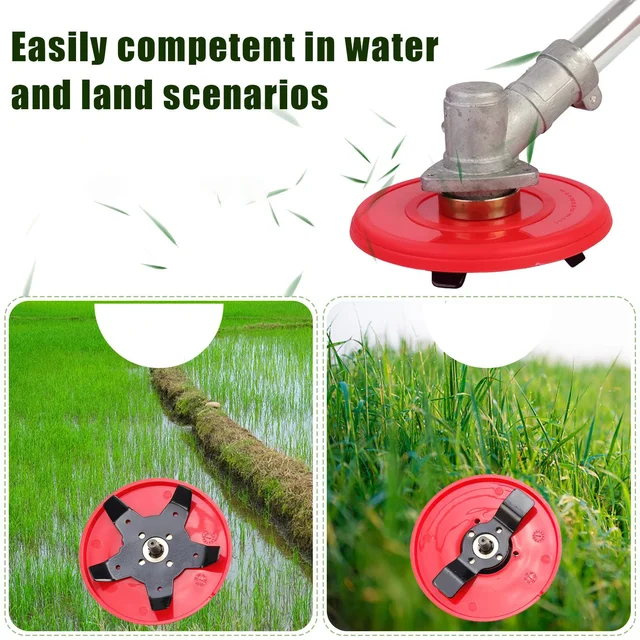
Credit: www.aliexpress.com
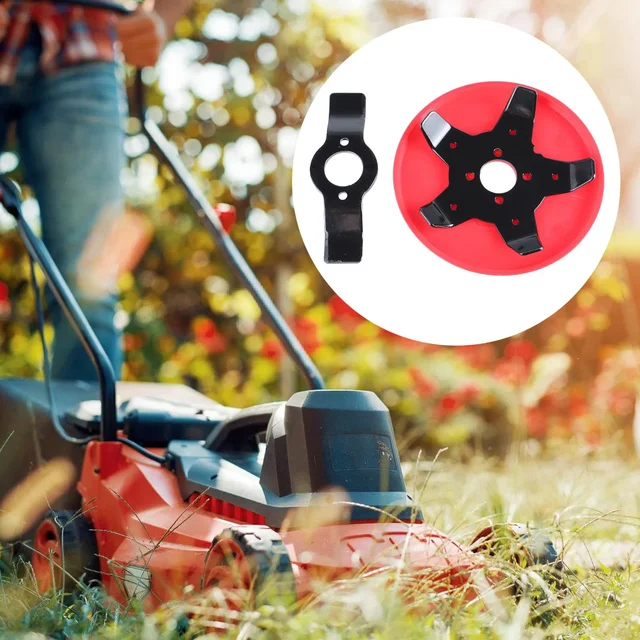
Credit: www.aliexpress.com
Frequently Asked Questions
Can Mower Blades Effectively Cut Thick Weeds?
Mower blades can cut thin, soft weeds but struggle with thick or woody ones. For tough weeds, use specialized tools like weed trimmers or brush cutters for better results.
Will Mower Blades Damage My Lawn While Cutting Weeds?
Mower blades may damage delicate grass if blades are dull or settings are too low. Proper blade maintenance and height adjustment protect your lawn while cutting weeds.
How Often Should Mower Blades Be Sharpened For Weed Control?
Sharpen mower blades every 20-25 hours of use for optimal cutting. Sharp blades ensure clean cuts on grass and weeds, promoting healthier lawn growth and easier weed control.
Are Mower Blades Safe For All Types Of Weeds?
Mower blades work well on young, soft weeds but are less effective on deep-rooted or woody weeds. Combining mowing with herbicides or manual removal improves weed management.
Conclusion
Mower blades can cut some types of weeds. They work best on small, soft weeds. Tough, deep-rooted weeds need special tools. Regular mowing helps keep weeds under control. Sharp blades make cutting easier and cleaner. Check your mower often for blade sharpness.
Use other weed control methods for a healthy lawn. A mix of tools gives the best results. Keep your yard neat and weed-free.





