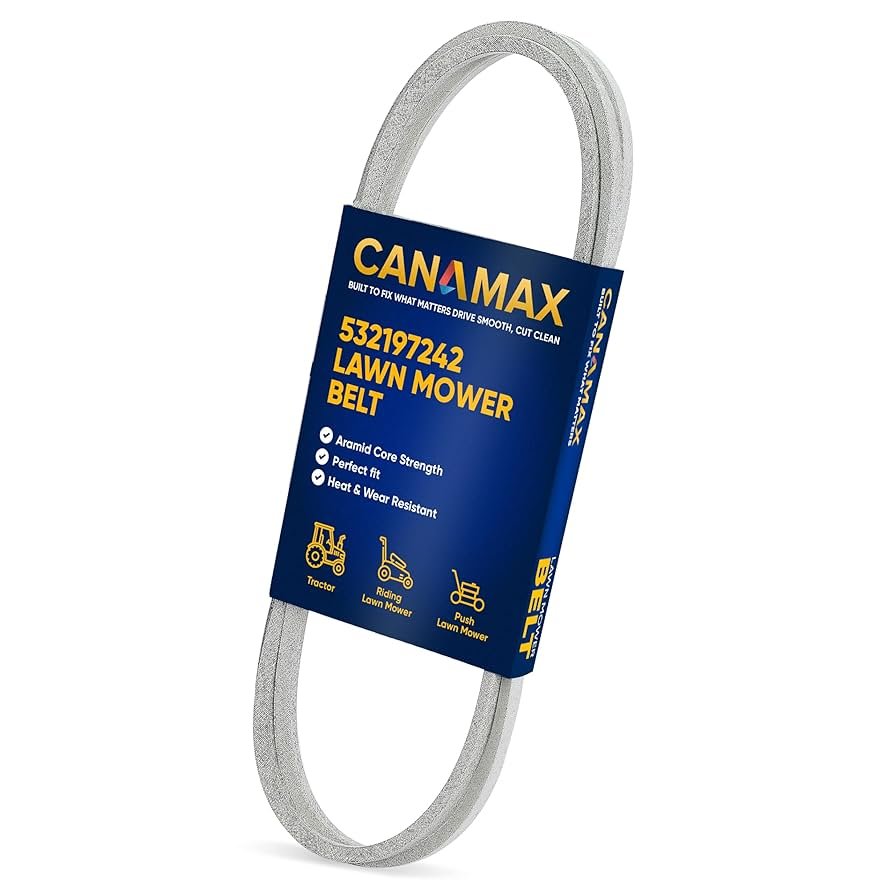
If your mower belt breaks or slips, you might be wondering if gluing it back together is a quick fix you can try. You want a solution that saves time and money without risking more damage to your mower.
But is using glue on mower belts really a good idea? Before you reach for that adhesive, it’s important to understand how mower belts work and what happens when you try to glue them. Keep reading to find out if gluing your mower belt is a smart move or a costly mistake.
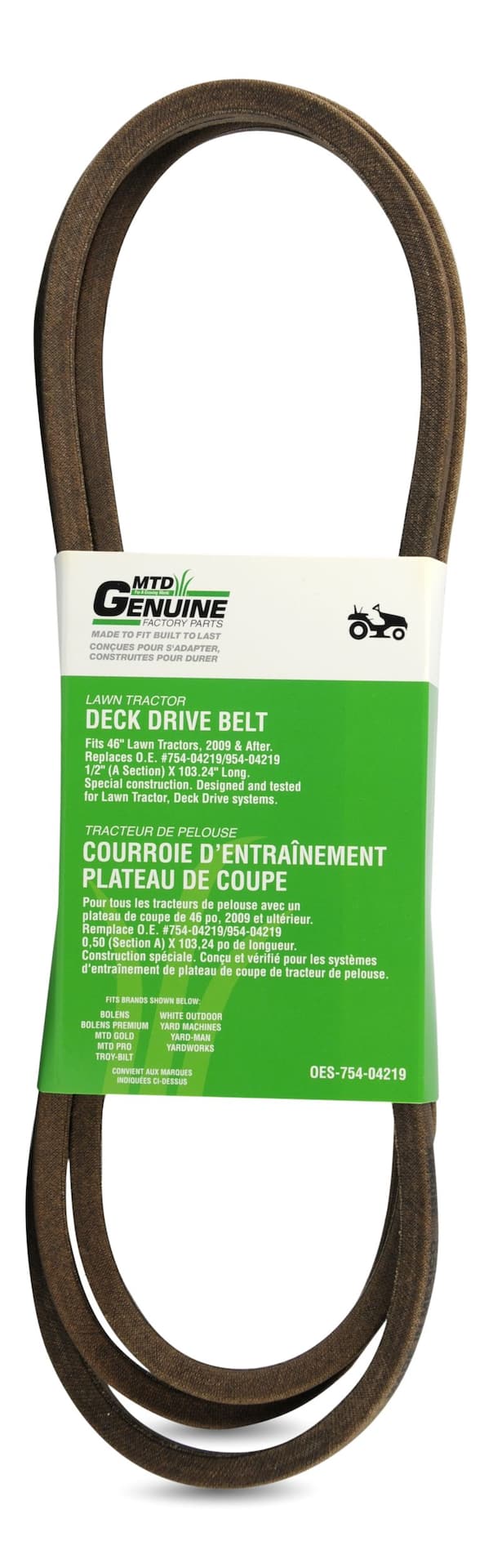
Credit: www.canadiantire.ca
Why Mower Belts Fail
Mower beltsoften fail due to wear and tear. Over time, belts stretch or crack, losing grip. Dirt and debris can cause abrasion, weakening the belt surface. Belts may also slip if the pulleysare misaligned or damaged. Heatfrom the engine can make belts brittle and prone to breakage.
- Cracksor splits on the belt
- Squealing noisesduring mower operation
- Belt slipping off the pulley
- Visible frayingor worn edges
- Mower blades not spinning properly
Noticing these signs early can save repair costs. Regular checks help spot belt damagebefore failure. Replace belts to keep your mower running smoothly and safely.

Credit: www.amazon.ca
Types Of Mower Belts
Mower belts come in different materials. The most common are rubber, polyurethane, and fabric-reinforced. Rubber belts are flexible but can wear out faster. Polyurethane belts last longer and resist cracks. Fabric-reinforced belts are strong and used for heavy-duty mowers.
Not all belts can be glued. Rubber beltssometimes can be patched with special glue if the damage is small. Polyurethane and fabric belts usually cannot be repairedby gluing because the glue does not stick well.
- Small tears on rubber belts can be fixed with belt glue.
- Large cracks or breaks need belt replacement.
- Polyurethane belts should be replaced, not glued.
- Fabric-reinforced belts require replacement for safety.
Can You Glue A Mower Belt?
Gluing a mower belt is not very effective. The belt moves fast and gets hot. Glue can’t hold under these conditions. A repaired belt might break quickly again. Gluing is only a temporary fix. It’s best to replace a broken belt. New belts last longer and work better.
- Super Glue: Works on small tears but not for long.
- Rubber Cement: Can hold rubber parts together briefly.
- Contact Cement: Better than other glues, but not perfect.
These adhesives can help in emergencies. Always replace the belt soon after repair. A new belt ensures the mower works well.

Credit: www.amazon.ca
Step-by-step Belt Repair
Start by cleaning the belt surface with a cloth. Remove all dirt, grease, and debris to ensure better glue stickiness. Lightly sand the area to roughen it. This helps the glue hold better. Wipe the belt again to remove dust after sanding.
Use a strong, flexible adhesive made for rubber or plastic. Apply glue evenly on both belt ends. Avoid putting too much glue; a thin layer works best. Press the glued parts firmly together, making sure they align well. Hold the belt in place to avoid slipping during curing.
Let the glue dry for at least 24 hours. Keep the belt flat and still while drying. After curing, check the bond by gently pulling the belt. If it feels strong and does not separate, the repair is good. Test the belt on the mower carefully before full use.
When To Replace Instead Of Repair
Glue does not hold well on mower beltsbecause the belts stretchand spinfast. Signs that glue won’t work include:
- Belt is crackedor frayed
- Belt is too looseor too tight
- Glue slips off after a short time
- Visible wear and tearon belt surface
| Cost | Repair (Glue) | Replacement (New Belt) |
|---|---|---|
| Price | Low (Glue cost only) | Moderate (New belt price) |
| Durability | Short-term fix | Long-lasting solution |
| Performance | Unreliable, may fail | Consistent and safe |
| Time | Quick to apply | May take longer to install |
Tips To Extend Belt Life
Keeping mower belts in good shape needs regular checks and care. Look for cracks, frays, or signs of wear every time before use. Clean belts gently with a soft cloth to remove dirt and debris.
Store belts in a cool, dry placeaway from sunlight and heat. Avoid bending or folding belts sharply; keep them flat or loosely coiled. Use the mower as the manual says to avoid belt stress.
- Check belt tension; not too tight or loose
- Replace belts that show signs of damage
- Keep mower blades sharp to reduce belt strain
- Use proper size belts for your mower model
Frequently Asked Questions
Can Mower Belts Be Repaired With Glue?
Mower belts generally cannot be reliably repaired with glue. The adhesive usually fails under tension and heat. Replacing the belt is safer and ensures proper mower performance. Glue may cause uneven belt movement or damage.
What Types Of Glue Are Suitable For Mower Belts?
Specialized rubber or fabric adhesives might temporarily hold mower belts. However, most common glues lack the flexibility and strength needed. Using glue is rarely recommended due to belt wear and operational stress.
How Long Does Glued Mower Belt Last?
A glued mower belt typically lasts a very short time. The bond often breaks within a few hours or days under mower conditions. Regular replacement is a better solution for durability and safety.
Is Gluing Mower Belts Cost-effective?
Gluing mower belts is not cost-effective. Temporary fixes can lead to mower damage or frequent repairs. Investing in a new belt saves time and ensures long-term mower efficiency.
Conclusion
Mower belts need strong, flexible materials to work well. Gluing belts may seem easy but often fails under pressure. A glued belt can break quickly and cause mower damage. It’s best to replace belts with new ones for safety. Proper belt care helps your mower run smoothly and last longer.
Save time and money by choosing the right solution. Don’t risk mower performance with a glued belt. Choose quality parts for the best results.





