Have you ever turned the key in your car’s ignition, only to be met with silence? It’s a frustrating experience that leaves you questioning what could possibly be wrong.
One potential culprit might surprise you: your spark plugs. These small but mighty components play a crucial role in getting your engine to roar to life. But can they really be the reason your car won’t start? We’ll uncover the truth about spark plugs and how they might be the hidden obstacle preventing your car from starting.
Stick around to discover the signs of faulty spark plugs and what you can do to get back on the road with confidence. Your car’s reliability might just depend on it!
Credit: motorist.org
Role Of Spark Plugs In Starting
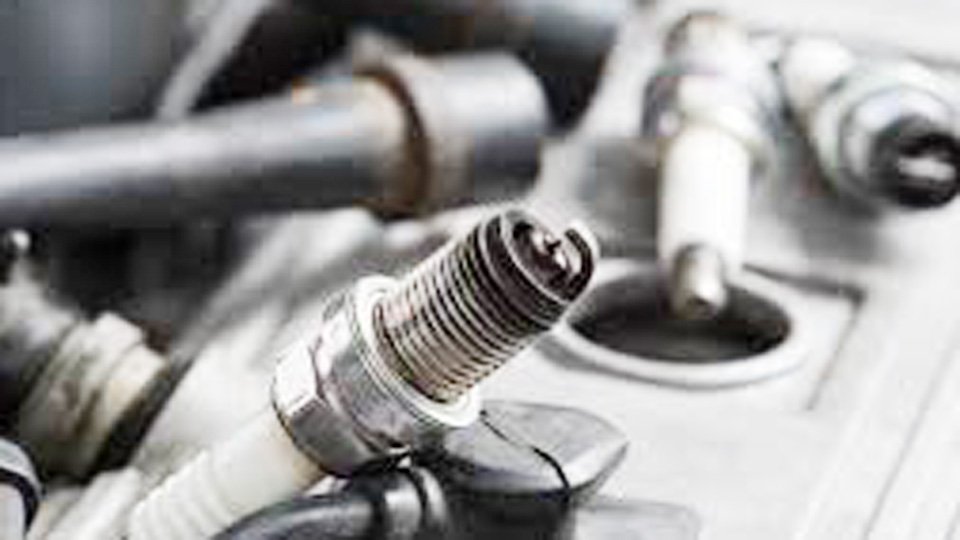
Spark plugs play a key role in starting a car’s engine. They create the spark needed to ignite the fuel and air mixture inside the engine cylinders. Without a proper spark, the engine will not start or run smoothly. Understanding how spark plugs work helps explain why faulty plugs can cause starting problems.
How Spark Plugs Ignite The Engine
Spark plugs generate a small but powerful electrical spark. This spark occurs between the plug’s electrodes inside the engine cylinder. The spark ignites the compressed air-fuel mixture. This ignition creates a small explosion that pushes the piston down. The piston’s movement turns the engine’s crankshaft, starting the engine.
Importance Of Spark Plug Condition
The condition of spark plugs affects their ability to create a strong spark. Worn or dirty plugs may produce weak sparks or no spark at all. This leads to poor engine performance or failure to start. Regular inspection and replacement of spark plugs keep the engine reliable. Clean and properly gapped spark plugs ensure smooth ignition every time.
Common Spark Plug Issues
Spark plugs play a crucial role in your car’s ability to start and run smoothly. When these small parts face issues, your engine might struggle to ignite, or worse, fail to start at all. Understanding common spark plug problems can help you diagnose and fix starting troubles before they become costly repairs.
Worn Or Fouled Spark Plugs
Over time, spark plugs wear out or get fouled with deposits like oil, carbon, or fuel residue. This buildup stops the spark plug from firing properly, causing misfires or a no-start condition. Have you noticed your engine hesitating or running rough? It could be a sign your plugs need cleaning or replacement.
Incorrect Spark Plug Gap
The gap between the center and ground electrode must be just right for the spark to jump across effectively. If the gap is too wide or too narrow, the spark may be weak or absent, making your car hard to start. Checking and adjusting the gap with a feeler gauge is a simple step that often solves ignition problems.
Damaged Or Cracked Plugs
Physical damage like cracks in the ceramic insulator or worn electrodes disrupts the spark plug’s function. Such damage can cause erratic sparks or no spark at all, leaving your engine silent at the key turn. Inspect your plugs visually—if you see cracks or chips, replacing them immediately can save you from a frustrating no-start scenario.
Symptoms Of Spark Plug Problems
Noticing issues with your car’s spark plugs can save you from getting stranded. Spark plugs play a vital role in igniting the engine’s fuel-air mixture. When they start to fail, your car will give you clear signs before it refuses to start altogether. Recognizing these symptoms early can help you fix the problem quickly and avoid costly repairs.
Engine Misfires And Rough Idle
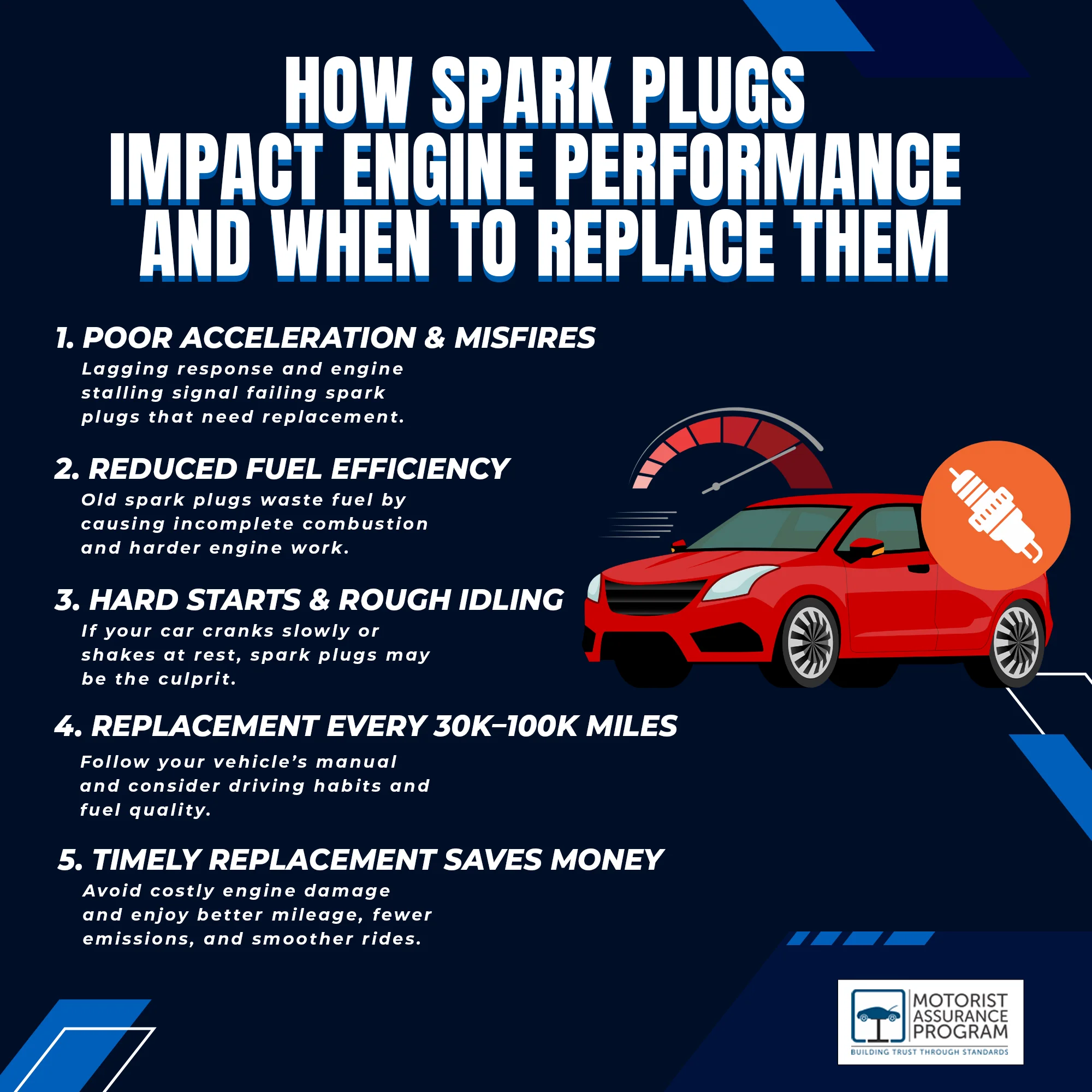
Have you ever felt your engine suddenly jerk or hesitate while driving? This is often a sign of spark plug problems. Faulty spark plugs cause incomplete combustion, leading to engine misfires and a rough idle. Your car might shake more than usual when stopped, making it hard to enjoy a smooth ride.
Difficulty Starting The Engine
Does your car struggle to start, especially on cold mornings? Worn-out spark plugs can make it tough for the engine to catch fire. You might hear the starter turning longer than normal or notice the engine cranking but not firing up. This delay is your car’s way of telling you the spark plugs need attention.
Poor Fuel Efficiency
Are you filling up your gas tank more often without driving more miles? Spark plugs that don’t work well cause inefficient fuel burning. This means your car uses more fuel to cover the same distance. Keeping an eye on your fuel consumption can alert you to a spark plug issue before it worsens.
Reduced Acceleration
Do you feel your car lagging when you press the gas pedal? Weak or fouled spark plugs can reduce your engine’s power output. You might notice slower acceleration or a hesitation before the car speeds up. This drop in performance can be frustrating and is a clear sign to check your spark plugs.

Credit: www.reddit.com
Diagnosing Spark Plug Failures
Diagnosing spark plug failures is essential for understanding why a car won’t start. Spark plugs create the spark that ignites the fuel in the engine. Problems with spark plugs can stop the engine from firing properly. Checking them carefully can save time and money.
Visual Inspection Tips
Remove the spark plug and look closely at the tip. Check for:
- Black soot or carbon deposits
- Oily residue on the electrode
- Cracks or chips on the ceramic insulator
- Worn or eroded electrodes
Any of these signs can indicate a bad spark plug. Clean plugs might still fail under certain conditions, so visual checks are just the start.
Using A Spark Plug Tester
A spark plug tester helps check the spark’s strength. Connect the tester to the spark plug wire and ground it to the engine. Crank the engine and watch the tester’s spark. A weak or no spark means the plug or ignition system may be faulty. This tool gives a quick, clear idea about spark plug health.
When To Replace Spark Plugs
Replace spark plugs if they show damage or wear. Follow the car manufacturer’s recommended interval, often between 30,000 to 100,000 miles. Replace sooner if the engine misfires or runs rough. New spark plugs improve fuel efficiency and engine power. Do not ignore worn plugs as they can cause starting problems.
Preventing Spark Plug Issues
Preventing spark plug issues is essential to keep your car running smoothly. Spark plugs ignite the fuel-air mix in the engine. If they fail, the car may not start or run poorly. Taking care of spark plugs avoids costly repairs and saves time. Simple steps can improve engine performance and reliability.
Regular Maintenance Schedule
Check spark plugs as part of routine car maintenance. Follow the manufacturer’s recommended schedule for inspection and replacement. Clean or replace plugs every 30,000 to 50,000 miles, depending on the type. Regular checks prevent buildup of deposits that cause misfires. Early detection of worn plugs stops engine starting problems.
Choosing The Right Spark Plugs
Select spark plugs that match your car’s make and model. Use the exact size and heat range specified by the vehicle manual. Using incorrect plugs can cause poor ignition and damage the engine. Choose quality plugs from trusted brands for durability and performance. Proper plugs improve fuel efficiency and reduce emissions.
Proper Installation Techniques
Install spark plugs carefully to avoid damage. Clean the spark plug holes before inserting new plugs. Hand-tighten plugs first, then use a torque wrench to secure them properly. Over-tightening can crack the plug or thread, causing leaks. Under-tightening may lead to poor contact and misfires. Always replace spark plug wires if they show wear or corrosion.

Credit: craigscarcare.com
Frequently Asked Questions
Can Faulty Spark Plugs Prevent A Car From Starting?
Yes, faulty spark plugs can stop a car from starting. They fail to ignite the fuel-air mix, causing engine issues. Replacing bad spark plugs often resolves the no-start problem quickly.
How Do Spark Plugs Affect Engine Starting?
Spark plugs create sparks to ignite the fuel-air mix in cylinders. If they are dirty or worn, the engine may not start or run poorly.
What Are Signs Of Bad Spark Plugs?
Common signs include engine misfires, rough idling, poor acceleration, and difficulty starting. These symptoms indicate spark plugs need inspection or replacement.
How Often Should Spark Plugs Be Replaced?
Generally, spark plugs should be replaced every 30,000 to 100,000 miles, depending on type and car model. Regular replacement ensures reliable starting and engine performance.
Conclusion
Spark plugs play a key role in starting your car. Worn or damaged plugs can stop the engine from firing. Regular checks help spot problems early. Clean and replace plugs as needed. This keeps your car running smoothly. Don’t ignore strange engine sounds or hard starts.
Simple spark plug care saves time and money. Keep your car ready for the road.





