Have you noticed your check engine light turning on unexpectedly? It’s a warning that something isn’t right under your hood.
One common culprit you might not think about right away is bad spark plugs. But can worn-out spark plugs really cause that annoying light to come on? If you want to understand how your spark plugs affect your car’s performance and what that check engine light means for you, keep reading.
This simple knowledge could save you time, money, and a lot of stress on the road.
Credit: www.mccluskeychevrolet.com
Check Engine Light Basics
The check engine light is one of the most recognizable signals on your car’s dashboard. It’s designed to alert you when something isn’t right under the hood. Understanding the basics of this warning can help you act quickly and avoid costly repairs.
Common Triggers
The check engine light can come on for many reasons, not all of them serious. Some common triggers include:
- Loose or damaged gas cap
- Faulty oxygen sensors
- Bad spark plugs or ignition coils
- Malfunctioning catalytic converter
- Issues with the mass airflow sensor
Did you know a simple loose gas cap can cause the light to appear? It’s a quick fix but often overlooked.
How It Works
Your car’s onboard computer constantly monitors the engine’s performance. When it detects a problem, it stores a trouble code and triggers the check engine light.
This system helps mechanics pinpoint the exact issue using a diagnostic scanner. Without it, you’d be guessing what’s wrong based on symptoms alone.
Have you ever ignored the check engine light hoping it would go away? It rarely does. The light is your car’s way of asking for attention before a small problem becomes a big one.

Credit: www.reddit.com
Role Of Spark Plugs In Engine
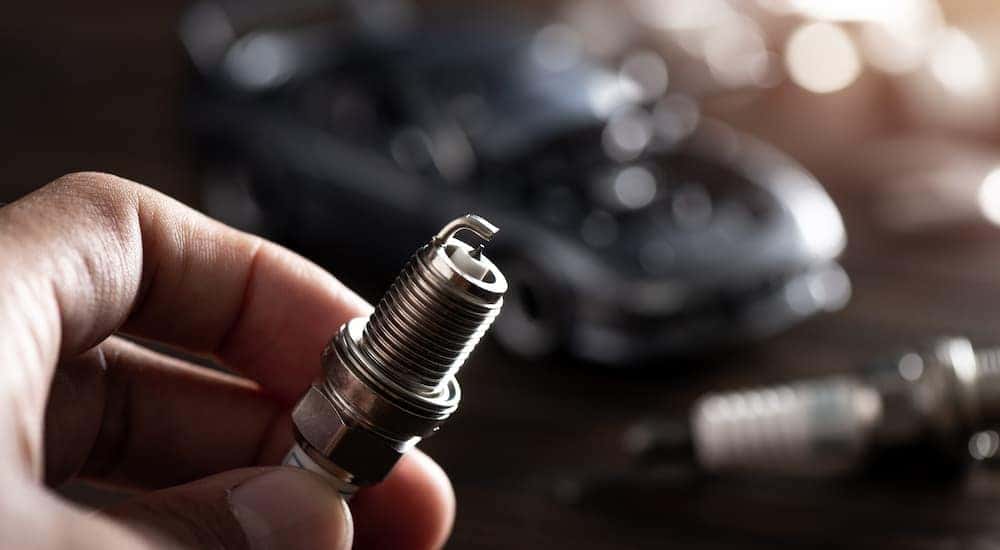
Your engine’s performance depends heavily on small but mighty parts called spark plugs. These components play a crucial role in igniting the air-fuel mixture inside the engine cylinders. Without properly functioning spark plugs, your engine struggles to run smoothly, which can trigger the dreaded check engine light.
Spark Plug Function
Spark plugs create the spark that ignites the fuel and air mixture in your engine’s combustion chamber. This ignition drives the pistons, which powers your vehicle. Each spark plug must work precisely and consistently to keep your engine firing on all cylinders.
If a spark plug misfires or fails to spark at the right moment, your engine loses power and efficiency. This can lead to rough idling, poor acceleration, and increased fuel consumption. Have you ever noticed your car hesitating or jerking? That might be your spark plugs struggling to do their job.
Signs Of Worn Spark Plugs
- Engine Misfires:Your engine stumbles or hesitates, especially during acceleration.
- Poor Fuel Economy:You start filling up the tank more often than usual.
- Hard Starts:The engine takes longer to start or doesn’t start smoothly.
- Check Engine Light:Your dashboard warning often points to ignition issues caused by bad spark plugs.
- Rough Idling:The engine feels shaky or uneven when at a stop.
Ignoring these signs can lead to bigger problems and costly repairs. Next time you feel your car isn’t running right, ask yourself if your spark plugs might need a checkup. Your wallet and your engine will thank you.
Connection Between Spark Plugs And Check Engine Light
The connection between spark plugs and the check engine light is important for vehicle health. Spark plugs play a key role in engine operation. When they fail or wear out, the engine may not run smoothly. The car’s computer detects this problem and turns on the check engine light. Understanding this link helps in identifying and fixing engine issues early.
How Bad Spark Plugs Affect Engine Performance
Bad spark plugs cause poor engine performance. They create weak or no sparks needed to ignite fuel. This leads to:
- Engine misfires
- Reduced fuel efficiency
- Hard starting
- Rough idling
- Loss of power
These issues make the engine run unevenly. Over time, bad spark plugs can cause more serious damage.
Why They Trigger The Check Engine Light
The engine control unit monitors spark plug signals. If plugs misfire or fail, sensors detect it. The system records error codes and lights up the check engine light. This alert warns drivers of engine problems. Ignoring the light may lead to costly repairs later.
Diagnosing Spark Plug Issues
Diagnosing spark plug issues is key to understanding why your check engine light might be on. Spark plugs play a crucial role in engine performance, and any problem with them can trigger warning signals. Knowing how to spot these problems early can save you time and money on repairs.
Using An Obd-ii Scanner
An OBD-II scanner is a handy tool that reads error codes from your car’s computer. These codes can point directly to spark plug problems or related ignition issues. If you see codes like P0300 (random misfire) or P0301-P0308 (cylinder-specific misfires), your spark plugs might be the culprit.
You don’t need to be a mechanic to use an OBD-II scanner. Simply plug it into your car’s diagnostic port, usually located under the dashboard, and follow the instructions. The scanner will show you codes that help identify if spark plugs need attention or replacement.
Visual Inspection Tips
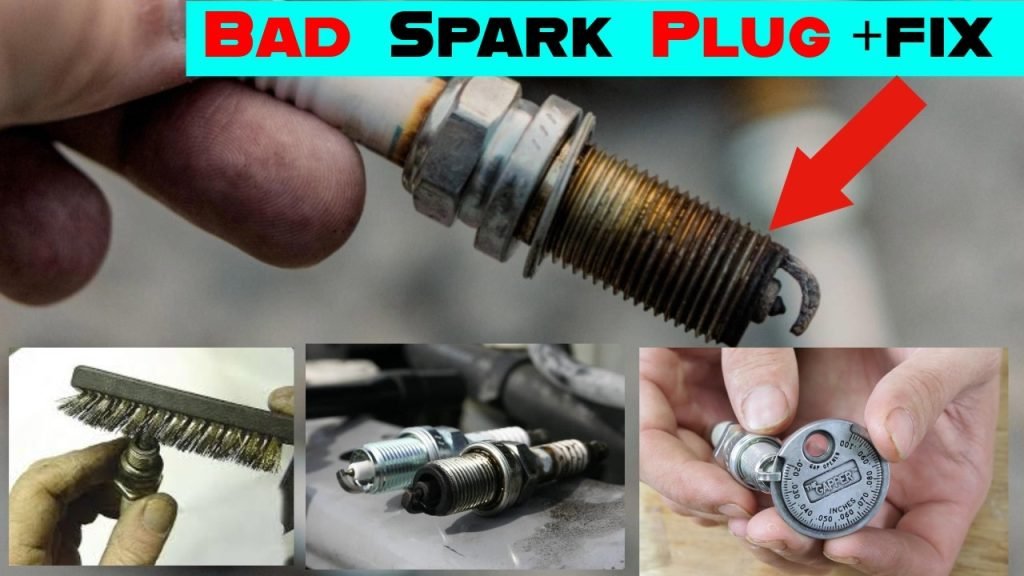
Sometimes, a quick visual check can reveal spark plug problems before they cause bigger issues. Start by removing the spark plugs and look for signs like:
- Heavy carbon buildup or black soot
- Worn or damaged electrodes
- Oil or fuel deposits on the plug
- Cracks or chips in the ceramic insulator
These signs usually mean the spark plugs aren’t firing correctly. I once ignored a slightly worn plug, thinking it was fine, but it caused rough idling and eventually triggered the check engine light. Catching these issues early can help you avoid that hassle.
Ask yourself: when was the last time you looked at your spark plugs? A simple inspection can uncover problems before they turn into expensive repairs.
Fixing Spark Plug Problems
Fixing spark plug problems is key to keeping your engine running smoothly. Faulty spark plugs can cause poor fuel economy, rough idling, and even trigger the check engine light. Addressing these issues quickly helps avoid bigger engine troubles and costly repairs.
Knowing when and how to fix spark plugs saves time and money. It also improves your car’s performance and reduces emissions. Understanding the replacement signs and repair options guides you to the best choice.
When To Replace Spark Plugs
Spark plugs wear out over time and need regular replacement. Most car makers suggest changing them every 30,000 to 100,000 miles. Signs that spark plugs need replacement include:
- Engine misfires or rough idling
- Reduced fuel efficiency
- Difficulty starting the car
- Check engine light turns on
- Engine hesitation during acceleration
Ignoring these signs can damage the engine or cause poor performance. Checking the owner’s manual helps find the right replacement schedule. Visual inspection of spark plugs can also reveal wear, such as carbon buildup or eroded electrodes.
Diy Vs Professional Repair
Replacing spark plugs yourself is possible with basic tools and knowledge. It saves money and gives a sense of accomplishment. However, some cars have hard-to-reach spark plugs that require special skills.
Professional mechanics offer quick and reliable spark plug replacement. They check related parts like ignition coils and wires. Professionals also reset the check engine light after repair. This ensures the problem is fully fixed.
Consider these points before choosing:
- Comfort with car maintenance tasks
- Access to proper tools
- Time availability for the job
- Complexity of the spark plug location
- Warranty or service needs
Choosing the right option helps keep your engine in top shape. Proper spark plug care leads to smoother rides and fewer engine issues.
Preventing Spark Plug Issues
Preventing spark plug issues is key to keeping your engine running smoothly. Good spark plugs help your car start easily and burn fuel efficiently. Regular care reduces the chance of the check engine light turning on.
Maintenance Tips
Check your spark plugs every 30,000 miles or as your car manual suggests. Dirty or worn plugs cause poor engine performance. Clean or replace them if you see black soot or damage. Use a spark plug gap tool to keep the gap correct. Wrong gaps cause misfires and engine problems. Always inspect wires and boots for cracks or wear. Replace damaged parts to avoid spark loss.
Choosing The Right Spark Plugs
Pick spark plugs that match your car’s make and model. Use plugs recommended by the manufacturer for best results. Consider the plug material—copper, platinum, or iridium—for durability and performance. Iridium plugs last longer but cost more. Copper plugs are cheaper but wear out faster. Check plug heat range to fit your engine’s needs. The wrong heat range can cause engine knocking or fouling.

Credit: www.fcmuffler.com
Frequently Asked Questions
Can Bad Spark Plugs Trigger The Check Engine Light?
Yes, bad spark plugs can cause the check engine light to turn on. Faulty plugs lead to engine misfires. Misfires are detected by the car’s computer, triggering the warning light.
How Do Bad Spark Plugs Affect Engine Performance?
Bad spark plugs cause rough idling, poor acceleration, and reduced fuel efficiency. They fail to ignite the fuel-air mix properly, leading to engine issues.
Can Worn Spark Plugs Cause Engine Misfires?
Yes, worn spark plugs often cause engine misfires. Misfires occur when the spark plug fails to ignite the fuel at the right time, disrupting engine operation.
How Often Should Spark Plugs Be Replaced?
Spark plugs generally need replacement every 30,000 to 100,000 miles. Check your vehicle’s manual for specific intervals to maintain optimal engine performance.
Conclusion
Bad spark plugs can trigger the check engine light. They affect engine performance. Replacing them is often a simple fix. Ignoring the issue can cause more problems. Regular maintenance helps avoid costly repairs. Keep your vehicle running smoothly. Check spark plugs periodically.
It ensures a safer drive. Consult a mechanic if unsure. Your car’s health is important. Stay informed and proactive. This saves time and money. Remember, a well-maintained car lasts longer.