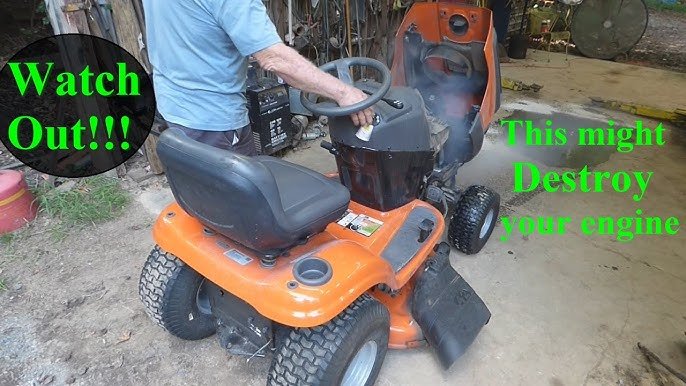
Has your mower stopped working after a flood, leaving you frustrated and stuck? You’re not alone.
When water gets into your mower, it can cause problems that stop it from starting. But don’t worry—understanding why this happens is the first step to fixing it. You’ll discover the common reasons your mower won’t start after flooding and simple tips to get it running again.
Keep reading—you’re closer to solving the problem than you think.
Common Flooding Issues
Flooding can cause several problems that stop a mower from starting. Water can reach key parts and disrupt their function. Understanding these common issues helps in fixing the mower quickly. Each problem affects the engine differently and needs specific attention.
Water In The Fuel System
Water in the fuel system stops the engine from getting proper fuel. It mixes with gasoline and prevents combustion. This leads to hard starting or no start at all. Removing the water and replacing the fuel is necessary to solve this.
Wet Spark Plug Problems
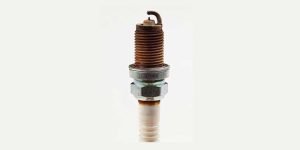
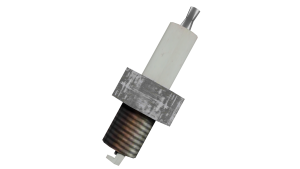
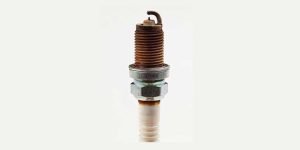
Sparks need to ignite the fuel-air mix inside the engine. Water on spark plugs stops them from sparking. Wet spark plugs cause misfires and no-start conditions. Drying or replacing the plugs often fixes this problem.
Clogged Air Filter
Flooding can soak the air filter with water and dirt. A clogged air filter blocks airflow to the engine. The engine struggles to start or runs poorly with little air. Cleaning or changing the filter restores proper airflow.
Engine Oil Contamination
Water can enter the engine oil during flooding. Contaminated oil loses its ability to lubricate engine parts. This causes increased friction and engine damage. Draining and replacing the oil protects the engine’s health.

Credit: www.eufy.com
Safety Precautions
Dealing with a mower that won’t start after flooding can be frustrating, but prioritizing safety is crucial before you try to fix anything. Water and fuel don’t mix well, and electrical parts can be dangerous if handled carelessly. Taking the right precautions protects you from injury and prevents further damage to your mower.
Disconnecting The Spark Plug
Before you touch any part of your mower, disconnect the spark plug. This simple step stops the engine from accidentally starting while you work on it. It’s a quick safety measure that can prevent serious injuries like cuts or burns.
Removing the spark plug wire is easy, but be sure to pull on the boot, not the wire itself. This helps avoid damage to the wire that could cause future starting problems. Have you ever tried fixing something only to create a new issue? This precaution saves you that hassle.
Handling Fuel Safely
Flooding often contaminates your mower’s fuel with water, which can cause malfunctions or dangerous situations. Always drain the old fuel before adding fresh gasoline. Never attempt to start the mower with water in the fuel system.
Use a proper container to catch the drained fuel and dispose of it according to local regulations. Avoid open flames or sparks near the fuel—gasoline vapors can ignite easily. Do you have a well-ventilated area ready? Working in fresh air reduces the risk of inhaling harmful fumes.
Step-by-step Troubleshooting
When your mower won’t start after flooding, it’s frustrating. Water can sneak into several parts of the engine, causing issues that stop it from running. You don’t need to panic—many problems are fixable with some careful troubleshooting.
Draining And Replacing Fuel
Water in the fuel tank is a common cause of mower failure after flooding. Gasoline and water don’t mix, so contaminated fuel won’t ignite properly. Start by draining the old fuel completely from the tank and fuel lines.
Refill with fresh gasoline and add a fuel stabilizer if you have it. This helps prevent future water contamination. Have you checked your fuel lately? Even a small amount of water can block your mower’s engine.
Drying Or Replacing The Spark Plug
The spark plug ignites the fuel-air mixture, but water can short it out or cause corrosion. Remove the spark plug and inspect it carefully. If it’s wet, dry it with a clean cloth or leave it in a warm place to dry completely.
If the spark plug looks damaged or corroded, replace it. A faulty spark plug often stops your mower from starting, so don’t overlook this simple check. Ever tried to start your mower with a bad spark plug? It won’t respond.
Cleaning Or Changing The Air Filter
Flooding can soak the air filter, restricting airflow and causing the engine to stall. Check the filter by removing it and looking for wet or dirty spots. If it’s damp, let it dry fully before reinstalling.
Sometimes cleaning isn’t enough, and a replacement filter is the better choice. A clogged air filter chokes your mower’s engine, so keep this part clean. How often do you inspect your mower’s air filter?
Checking And Changing Engine Oil
Water can enter the engine oil during flooding, reducing lubrication and causing damage. Pull out the dipstick to check the oil color—milky or cloudy oil means water contamination. Drain the old oil right away and refill with fresh, clean oil.
Running the engine on contaminated oil can cause serious damage. Regular oil changes are more important than you might think, especially after flooding. When was the last time you checked your mower’s oil?

Credit: ahmcorp.com
Preventive Tips
Keep your mower dry and clean after flooding to avoid engine problems. Check the spark plug and fuel system for water damage before starting. Regular maintenance helps prevent issues caused by moisture exposure.
Flooding can bring unexpected challenges, especially when it leaves your trusty lawn mower inoperable. The good news? You can take some simple yet effective steps to prevent this from happening again. Let’s dive into some preventive tips that will keep your mower ready to roll, even after a downpour.Storing Your Mower Properly
Proper storage is your first line of defense against flooding issues. Always store your mower in a dry, sheltered area like a garage or shed. If space is tight, consider investing in a durable, waterproof cover to protect it from the elements. Elevating your mower on a platform can also prevent water damage. This is particularly useful if your storage area is prone to minor flooding. Remember, the goal is to keep your mower as dry as possible.Routine Maintenance After Rain
After a heavy rain, a quick maintenance check can go a long way. Inspect your mower for any signs of water intrusion. Pay special attention to the air filter and the fuel system, as these are common trouble spots. Don’t forget to check the oil. Water in the oil can be disastrous for the engine. If you suspect water has seeped in, changing the oil promptly can save you a headache later.Using Fuel Stabilizers
Fuel stabilizers are a great tool to keep your mower in top condition. They help prevent the fuel from deteriorating, which is especially important if your mower will sit unused for a while. Add a stabilizer to the fuel tank and run the engine for a few minutes. This ensures the treated fuel circulates through the system, offering protection even in damp conditions. Have you ever thought about how a small investment in preventive care can save you from costly repairs? Incorporating these tips into your routine can keep your mower running smoothly, rain or shine.
Credit: ahmcorp.com
Frequently Asked Questions
Why Won’t My Mower Start After Flooding?
Flooding causes water to enter the engine and carburetor. This prevents proper combustion and stops the mower from starting. Dry all parts, change the oil, and clean the carburetor before trying again.
Can Water Damage The Mower’s Engine?
Yes, water in the engine can cause severe damage. It can wash away lubrication and cause rust. Immediate drying and maintenance are crucial to avoid permanent engine issues.
How Do I Dry My Mower After Flooding?
Remove the spark plug and air filter. Let the mower air dry in a warm, dry place for at least 24 hours. Use compressed air to clear water from hard-to-reach parts.
Should I Change The Oil After My Mower Floods?
Yes, always change the oil after flooding. Water mixes with the oil and reduces its lubrication ability. Fresh oil prevents engine wear and helps the mower run smoothly again.
Conclusion
Flooding can cause many problems for your mower’s engine. Water can enter the fuel, spark plug, or air filter, stopping it from starting. Check each part carefully and dry or replace damaged items. Keep your mower clean and dry after heavy rain.
Taking quick action helps protect your mower’s life. Regular maintenance also prevents future issues. Stay patient and follow simple steps to get your mower running again. A little care goes a long way in keeping your mower ready to work.