You’ve pulled the starter cord, but your mower just won’t start—even with the choke on. Frustrating, right?
If you’re wondering why your mower refuses to roar to life when you need it most, you’re not alone. Understanding the common reasons behind this problem can save you time, money, and stress. Keep reading, and you’ll discover simple fixes and expert tips to get your mower running smoothly again—fast.
Common Causes Of Starting Issues
Starting issues with your mower can be frustrating, especially when the choke is engaged but the engine still won’t turn over. Several common problems can cause this, and understanding them helps you troubleshoot effectively. Let’s look at the main reasons your mower might refuse to start even with the choke on.
Fuel System Problems
Fuel quality and delivery play a crucial role in starting your mower. Old or contaminated fuel can clog the system, preventing proper combustion. If your mower has been sitting idle for a while, stale fuel might be the culprit.
Check if the fuel tank is full and the fuel is fresh. Sometimes, a clogged fuel filter or blocked fuel line stops fuel from reaching the engine. Have you noticed a strong fuel smell or visible debris in the tank? These signs point to fuel system issues.
Choke Malfunction
The choke’s job is to restrict air flow, enriching the fuel mixture for easier starts. But if the choke is stuck or not fully closing, it won’t do its job properly. This can happen due to dirt buildup or mechanical damage.
Try moving the choke lever back and forth a few times to free it. If it feels loose or doesn’t stay in position, the choke assembly may need repair or replacement. Have you checked if the choke plate inside the carburetor is actually moving?
Spark Plug Issues
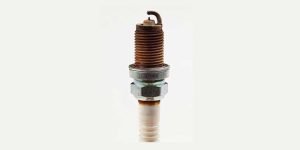
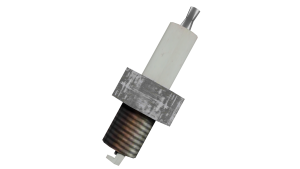
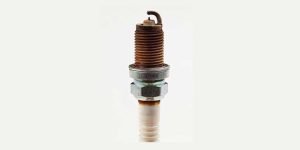
A spark plug ignites the fuel mixture, so it’s vital for starting. If the plug is dirty, worn out, or improperly gapped, the spark might be weak or absent. This stops the engine from firing up, even if fuel and choke are fine.
Remove the spark plug and inspect it for carbon deposits or damage. Cleaning or replacing the plug is often a quick fix. When was the last time you checked your spark plug?
Carburetor Troubles
The carburetor mixes air and fuel for the engine, and it can get clogged or dirty over time. Gummed-up carburetor jets or passages block fuel flow, causing starting failures. This is a common problem if you use your mower irregularly.
Cleaning the carburetor thoroughly can restore proper fuel flow. In some cases, a rebuild kit may be necessary if parts are worn out. Are you comfortable disassembling small engine parts, or should you seek professional help?

Credit: www.youtube.com
How The Choke Affects Starting
Understanding how the choke affects your mower’s starting process is key to troubleshooting why it won’t start even when the choke is engaged. The choke controls the air and fuel mixture that enters the engine, especially during cold starts. If it malfunctions, your mower struggles to ignite, leaving you frustrated and stuck.
Role Of The Choke In Engine Start
The choke helps your engine start by limiting the air supply and increasing the fuel in the mixture. This richer fuel mixture is easier to ignite when the engine is cold. Without the choke working properly, the engine may get too much air, making starting difficult or impossible.
Think about a cold morning when your mower just won’t start. Engaging the choke should make the engine run smoother initially, but if it doesn’t, the choke might not be doing its job.
Signs Of A Faulty Choke
How can you tell if your choke is faulty? Look for these signs:
- The engine struggles or fails to start even with the choke fully on.
- The mower starts but quickly stalls or runs rough.
- Excessive smoke or flooding smell from the engine.
These symptoms indicate that the choke is either stuck or not adjusting the fuel-air mix correctly. Have you noticed any of these when trying to start your mower?
Impact On Fuel-air Mixture
The choke directly affects the fuel-air mixture ratio. A properly functioning choke reduces air intake, creating a richer mixture needed for cold starts. If the choke is stuck open, the mixture becomes too lean, and the engine won’t catch fire.
Conversely, a choke stuck closed can flood the engine with too much fuel, making it hard to start or causing rough running. Knowing this balance helps you diagnose whether the choke or another part is causing your starting issues.
Quick Fixes To Try First
Facing a mower that won’t start even with the choke engaged can be frustrating. Before calling a professional, there are quick fixes you can try yourself. These simple checks often save you time and money while getting your mower back to work.
Adjusting The Choke
Sometimes, the choke isn’t set correctly, preventing the engine from getting the right air-fuel mix. Make sure the choke lever is fully closed when starting a cold engine. If the choke is stuck or too loose, gently move it to the correct position and try starting again.
Cleaning Or Replacing Spark Plug
A dirty or worn-out spark plug can cause starting issues. Remove the spark plug and inspect it for carbon buildup or damage. Cleaning it with a wire brush or replacing it with a new one can make a big difference in your mower’s performance.
Inspecting Fuel Lines
Fuel flow problems often stop a mower from starting. Check the fuel lines for cracks, leaks, or blockages. Replacing damaged lines or clearing clogs restores proper fuel delivery and may solve your problem instantly.
Checking The Air Filter
A clogged air filter restricts airflow, making it hard for the engine to start. Take out the air filter and see if it’s dirty or clogged with debris. Cleaning or swapping it for a fresh filter can improve airflow and help your mower start smoothly.
Advanced Troubleshooting Steps
When your mower won’t start even with the choke engaged, it’s time to dive deeper into the problem. Basic checks might not reveal the real issue, so you need to explore more advanced troubleshooting steps. These steps target the core components that affect engine startup, helping you diagnose and fix the problem effectively.
Carburetor Cleaning And Repair
The carburetor mixes air and fuel for the engine. Dirt or old fuel can clog its tiny passages, stopping your mower from starting. Cleaning the carburetor requires removing it carefully and using a carburetor cleaner spray to clear blockages.
Sometimes, worn gaskets or damaged floats inside the carburetor cause fuel flow issues. Check for cracked or hardened parts and replace them if needed. Have you inspected your carburetor lately? It might be the hidden culprit.
Testing The Ignition System
The ignition system creates the spark that ignites the fuel-air mixture. A faulty spark plug or ignition coil means no spark and no start. Remove the spark plug and look for signs of wear like carbon buildup or cracks.
Use a spark tester to check if the spark plug fires properly when you pull the starter cord. If you don’t get a spark, test or replace the ignition coil. Are you sure your ignition system is firing on all cylinders?
Fuel Quality And Drainage
Old or contaminated fuel can cause serious starting problems. Gasoline degrades over time, losing its volatility and leaving varnish deposits in the fuel system. Drain the fuel tank completely and refill with fresh, clean gasoline.
Also, check the fuel filter and lines for blockages or damage. Sometimes, draining and replacing fuel is enough to bring your mower back to life. When did you last change your mower’s fuel?
Replacing Worn Parts
Parts like spark plugs, fuel lines, and air filters wear out with time and use. Replacing these regularly prevents startup issues. Inspect these parts closely for cracks, dirt, or brittleness.
Ignoring worn parts can lead to bigger problems down the line. Keep a small toolkit ready with common replacement parts to save time. Which parts have you neglected that might now be causing trouble?
Preventive Maintenance Tips
Keeping your mower in prime condition ensures it starts every time. Preventive maintenance is key. Regular checks and care can help avoid issues like the mower not starting with the choke. Here are some essential tips to keep your mower running smoothly.
Regular Choke Inspection
Inspect the choke regularly. Make sure it moves freely. A stuck choke can prevent starting. Clean any debris that may block its movement.
Fuel System Care
Check the fuel system often. Use fresh fuel to prevent clogging. Replace the fuel filter if it’s dirty. A clean fuel system promotes easy starts.
Proper Storage Practices
Store your mower in a dry place. Protect it from moisture to avoid rust. Drain the fuel before long storage. This prevents fuel line blockages.
Seasonal Tune-ups
Schedule seasonal tune-ups. Replace the spark plug and air filter. Check the oil level and change if needed. Regular tune-ups ensure optimal performance.
Credit: www.reddit.com
When To Seek Professional Help
Knowing when to seek professional help is important for mower issues. Trying to fix complex problems alone can cause more damage. Professionals have the right tools and experience to handle tough repairs safely and efficiently.
Choosing the right time to call an expert saves time and money. It also ensures your mower works well and lasts longer.
Signs You Can’t Fix It Yourself
- The mower won’t start even after several attempts.
- There is a strong fuel smell but no ignition.
- The engine cranks but does not catch.
- Visible damage to the carburetor or choke system.
- Unusual noises or smoke when trying to start.
- Electrical or wiring issues are suspected.
- You lack the tools or knowledge for safe repair.
Finding A Reliable Repair Service
- Look for local repair shops with good reviews.
- Check if the technicians are certified and experienced.
- Ask about warranty or guarantee on repairs.
- Compare prices and services before deciding.
- Choose a service that offers quick turnaround times.
- Confirm they handle your mower brand and model.
- Seek recommendations from friends or neighbors.

Credit: www.youtube.com
Frequently Asked Questions
Why Won’t My Mower Start With Choke On?
The choke restricts air to enrich the fuel mixture for starting. If it won’t start, the choke might be stuck or the carburetor could be clogged, preventing proper fuel flow.
How Does Choke Affect Mower Starting?
The choke helps create a richer fuel-air mix needed for cold starts. Without it working correctly, the engine may not get enough fuel to ignite.
Can A Dirty Carburetor Cause Choke Issues?
Yes, a dirty carburetor can block fuel flow, making the choke ineffective. Cleaning or rebuilding the carburetor often solves starting problems related to the choke.
Should I Adjust The Choke When Mower Won’t Start?
Yes, adjusting the choke can help. If the choke is fully closed or open, try partially opening it to achieve the right fuel mixture for starting.
Conclusion
A mower that won’t start with the choke can be frustrating. Check the fuel, spark plug, and air filter first. Clean or replace parts as needed. Small fixes often solve the problem quickly. Regular mower care prevents many start-up issues.
Keep your mower ready for smooth lawn work. Don’t ignore simple signs of trouble early on. A little attention saves time and effort later. Stay patient and methodical to get your mower running again.