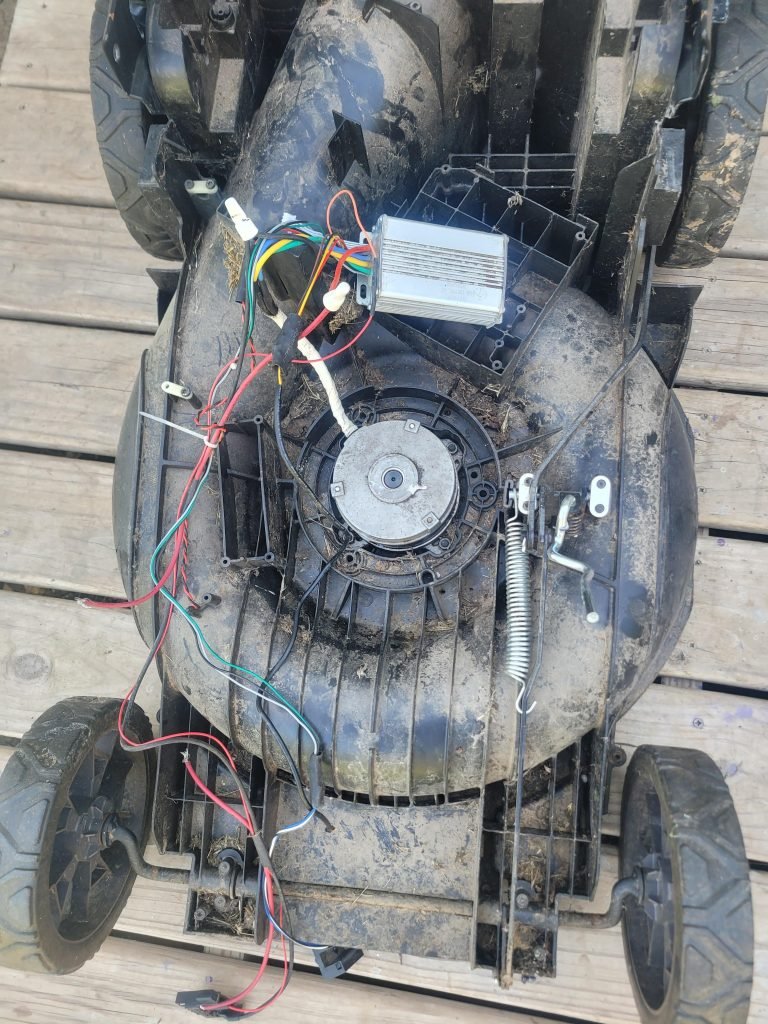
Have you ever tried to start your mower after a rainy day, only to find it won’t budge? It’s frustrating, especially when your lawn needs attention.
You might wonder what’s wrong and how to fix it quickly. Understanding why your mower won’t start after rain can save you time and money. Keep reading, and you’ll discover simple reasons behind this common problem and easy steps you can take to get your mower running smoothly again.
Don’t let a little rain stop you from keeping your yard perfect!
Common Reasons Mower Fails After Rain
After a heavy rain, you might be surprised to find your mower won’t start. This common issue can be frustrating, especially when your lawn needs attention. Understanding the usual reasons behind this problem can save you time and effort in troubleshooting.
Wet Spark Plug Issues
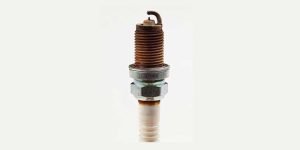
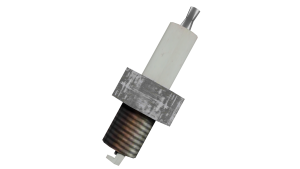
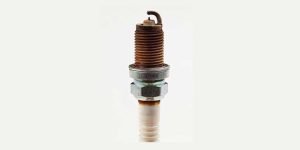
One of the most frequent causes is a wet spark plug. Rain or moisture can seep into the spark plug area, preventing it from sparking properly. Without a strong spark, your mower won’t ignite the fuel, leaving the engine silent.
Have you noticed a damp or blackened spark plug after rain? That’s a clear sign it needs to be dried or replaced. Keeping your spark plug dry can often restore your mower’s starting power quickly.
Water In The Fuel System
Water can find its way into the fuel tank or fuel lines during heavy rain or when storing your mower outdoors. Since water doesn’t burn like gasoline, it disrupts the fuel combustion process. The engine struggles to run or refuses to start entirely.
Try checking for cloudy or separated fuel, which indicates water contamination. Draining the fuel system and refilling with fresh gasoline often fixes this problem. Have you ever smelled a strange odor from your fuel after rain? That’s another clue of water presence.
Clogged Air Filter
Rain can also saturate your mower’s air filter. A wet or clogged air filter chokes the engine by restricting airflow. Without enough air, the fuel mixture becomes too rich, making it hard for the engine to start or run smoothly.
Inspect your air filter after rain and look for dampness or dirt buildup. Cleaning or replacing the filter can improve airflow and get your mower running again. Do you remember the last time you checked your air filter?
Moisture In The Carburetor
The carburetor mixes air and fuel in the right proportions for combustion. Moisture inside the carburetor can cause fuel to become diluted or block jets. This leads to poor engine performance or a mower that won’t start at all.
Cleaning the carburetor and removing any water buildup can make a big difference. If your mower stalls shortly after starting in wet conditions, the carburetor might be the culprit. Have you ever tried carburetor cleaner to solve starting issues?
Quick Checks Before Starting Repairs
Before fixing a mower that won’t start after rain, some quick checks save time and effort. These checks reveal common issues without complex tools or skills. They help decide if repairs are needed or a simple clean-up works. Start with basics like spark plug, fuel, air filter, and carburetor. Each part affects the mower’s ability to start and run smoothly.
Inspecting The Spark Plug
The spark plug ignites the fuel mixture inside the engine. Moisture can cause it to short out or corrode. Remove the spark plug and look for dirt, rust, or water. Clean it gently with a wire brush if dirty. Check the gap between the electrodes; it should match the mower’s manual. Replace the spark plug if it looks damaged or worn out.
Checking The Fuel Quality
Rain or moisture can spoil the fuel in the tank. Old or wet fuel stops the engine from starting properly. Drain the fuel tank and refill it with fresh gasoline. Avoid using fuel that smells sour or looks cloudy. Also, check the fuel lines for cracks or leaks that may let water in. Clean or replace the fuel filter if it looks clogged.
Examining The Air Filter
The air filter prevents dirt and debris from entering the engine. Rain can soak the filter, reducing airflow and causing starting problems. Remove the air filter and check its condition. If it’s wet or dirty, wash it with warm water and let it dry completely. Replace the filter if it is torn or very dirty to ensure proper air flow.
Assessing The Carburetor Condition
The carburetor mixes air and fuel for the engine. Water or dirt can clog its tiny passages after rain. Check for signs of dirt, rust, or water inside the carburetor. Clean it using a carburetor cleaner spray or remove it for a thorough cleaning. Avoid running the mower with a dirty carburetor as it causes poor engine performance and starting issues.
Easy Fixes To Get Your Mower Running
Rain can sometimes lead to a stubborn mower that refuses to start. Fortunately, most issues have simple solutions. By following these easy fixes, you can have your mower running smoothly again. Let’s dive into some practical steps to tackle this problem effectively.
Drying Or Replacing The Spark Plug
A wet spark plug can prevent your mower from starting. First, remove the spark plug carefully. Dry it using a clean cloth. If it’s too wet or corroded, consider replacing it. Make sure it’s dry before reinstalling.
Draining And Refilling The Fuel Tank
Water in the fuel tank can cause issues. Drain the fuel tank completely. Refill with fresh gasoline to ensure smooth operation. This helps maintain engine efficiency.
Cleaning Or Changing The Air Filter
A clogged air filter can obstruct airflow. Remove the air filter and inspect it. If it’s dirty, clean it thoroughly. Replace it if necessary. Ensure proper air intake for optimal performance.
Cleaning The Carburetor
A wet or clogged carburetor can affect starting. Detach the carburetor and clean it using carburetor cleaner. Ensure all passages are clear. Reassemble it carefully to restore functionality.

Credit: www.reddit.com
Preventing Future Start Issues After Rain
Rain can be a real challenge for your mower’s starting ability. Moisture sneaks into parts where it shouldn’t, causing stubborn start issues. But with the right care, you can keep your mower ready to go, no matter the weather.
Proper Storage Tips
Where and how you store your mower matters a lot. Keep it in a dry, well-ventilated area to avoid moisture buildup. Avoid leaving it exposed to rain or damp ground, which invites rust and electrical problems.
Try elevating your mower slightly off the floor using a platform or blocks. This simple step prevents water from pooling underneath. Also, clean the mower before storage to remove grass clippings that hold moisture.
Using Fuel Stabilizers
Fuel left sitting in your mower can degrade, especially after humid or rainy days. Adding a fuel stabilizer keeps the gasoline fresh and reduces gum and varnish buildup. This makes starting easier and protects the engine over time.
Make it a habit to add stabilizer before storing your mower for extended periods. You’ll save yourself from the hassle of clogged fuel lines and carburetors. Have you checked your fuel’s freshness recently?
Regular Maintenance Schedule
Consistent maintenance is key to preventing start problems after rain. Check spark plugs, air filters, and fuel filters regularly to ensure they’re dry and clean. Damp or dirty parts often cause ignition issues.
Set reminders to inspect your mower monthly during the wet season. Don’t wait for a no-start moment to act. Small upkeep steps now can save hours of frustration later.
Protective Covers And Shelters
Using a waterproof cover can shield your mower from unexpected showers. Look for covers with breathable fabric to stop condensation inside. This keeps electrical components and the engine dry.
If possible, consider investing in a small shed or shelter for your mower. It’s worth it to protect your equipment from repeated exposure to rain. How much time and effort could you save by keeping your mower dry?
When To Seek Professional Help
Knowing when to call a professional can save you time, money, and frustration. If your mower won’t start after rain, some issues might seem simple but could hide deeper problems. Understanding the signs that require expert attention helps you avoid causing more damage to your mower.
Persistent Starting Problems
If your mower struggles to start even after drying out and trying basic fixes, it’s a red flag. Constantly pulling the cord without success might mean internal parts are compromised. You don’t want to keep forcing it and risk breaking something further.
Think about how often you’ve tried to start it with no luck. If it’s more than a few times, it’s worth getting professional help before the problem worsens.
Complex Carburetor Repairs
The carburetor controls the fuel and air mixture, and rain can cause it to clog or corrode. Cleaning or repairing a carburetor is tricky without the right tools and knowledge. If you notice fuel smells, sputtering, or uneven running, it could be a carburetor issue.
Attempting repairs yourself might lead to incorrect adjustments that cause more damage. A technician can properly disassemble, clean, and tune the carburetor to get your mower running smoothly again.
Electrical System Issues
Rain can damage the mower’s electrical parts like the ignition system, spark plug, or wiring. If you see sparks, hear unusual noises, or the engine cuts out suddenly, electrical faults might be the cause. These problems need a professional’s diagnostic tools and expertise to fix safely.
Ignoring electrical issues can lead to bigger failures or even safety risks. When your mower’s wiring looks worn or wet, it’s best to have an expert check it before you try to use it again.

Credit: www.reddit.com

Credit: www.yahoo.com
Frequently Asked Questions
Why Won’t My Mower Start After Rain?
Moisture can cause spark plug and ignition problems. Wet fuel or clogged air filters also prevent starting. Dry and clean these parts before trying again.
Can Water Damage The Mower Engine?
Yes, water entering the engine can cause damage. It may lead to rust, corrosion, and poor performance. Always dry the engine thoroughly after rain exposure.
How To Prevent Mower Starting Issues After Rain?
Store your mower in a dry place. Cover it during rain to avoid moisture exposure. Regular maintenance ensures better performance after wet conditions.
Is Wet Spark Plug The Main Issue After Rain?
Often, yes. Water on spark plugs stops ignition. Removing and drying or replacing the spark plug usually solves the problem quickly.
Conclusion
Rain can cause many mower problems. Wet parts stop the engine from starting. Check the spark plug and air filter first. Dry them well before trying again. Fuel might mix with water, so replace it. Keep your mower covered to avoid rain damage.
Regular care helps your mower work better. Don’t let rain keep you from mowing. Fix small issues early to save time and money. A little attention goes a long way.