Is your mower making strange noises that catch you off guard? A noisy mower transmission can be more than just an annoying sound—it might signal a problem that could stop your mower from working properly.
You rely on your mower to keep your lawn looking great, so understanding why your mower transmission is noisy is key to fixing it quickly. You’ll discover the common causes of those unsettling sounds and what you can do to get your mower running smoothly again.
Keep reading to protect your mower and save yourself time and money on repairs.

Credit: www.youtube.com
Common Noise Types
Noises from a mower transmission can indicate different issues. Identifying the type of noise helps find the problem fast. Common noises include grinding, squealing, and clunking sounds. Each noise points to specific parts or conditions in the transmission. Understanding these noises can save time and repair costs.
Grinding Sounds
Grinding noises often mean metal parts are rubbing together. This can happen if the transmission gears are worn or damaged. Lack of lubrication can also cause grinding. The sound is harsh and continuous during mower operation. Ignoring grinding can lead to severe damage and costly repairs.
Squealing Noises
Squealing is a high-pitched noise from slipping belts or bearings. It usually occurs when the mower starts or changes speed. Worn belts, loose pulleys, or dry bearings often cause squealing. This noise signals parts need tightening, lubrication, or replacement. Fixing squealing early prevents further wear.
Clunking Or Banging
Clunking or banging sounds mean loose or broken parts inside the transmission. These noises happen when shifting gears or moving over rough ground. Worn gears, loose bolts, or broken shafts may cause these sounds. The noise is loud and irregular, indicating urgent attention is needed. Ignoring it can stop the mower from working.

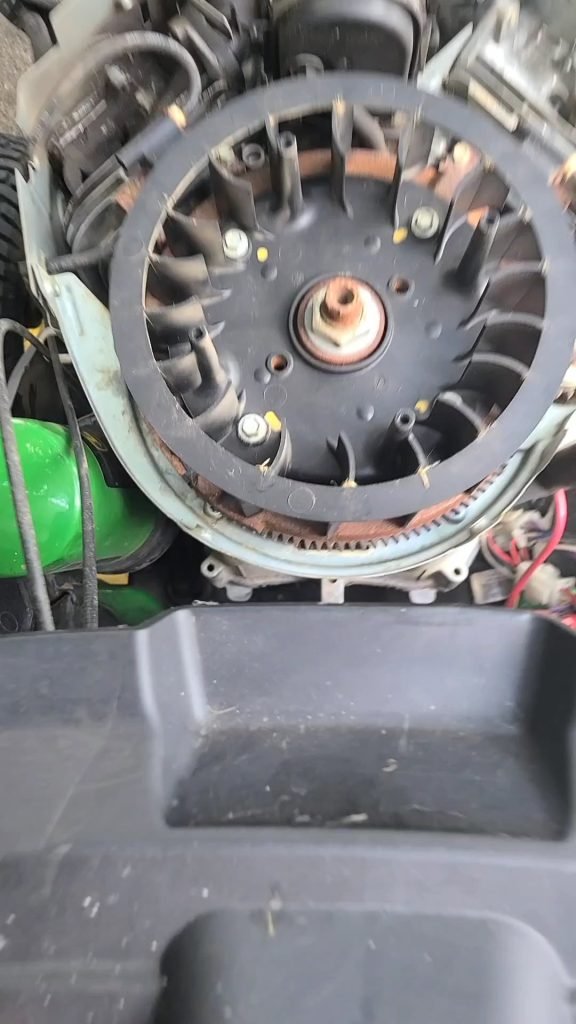
Credit: www.tractorforum.com
Transmission Components
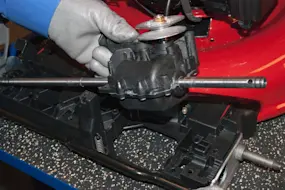
The transmission in your mower is a complex system made up of several key components that work together to transfer power from the engine to the wheels or blades. Understanding these parts can help you identify why your mower transmission might be making unusual noises. Each component plays a specific role, and issues in any of them can result in that annoying grinding, whining, or rattling sound.
Role Of Gears
Gears are the heart of the transmission system. They control the mower’s speed and torque by meshing together to transfer power efficiently.
If the gears are worn out, damaged, or misaligned, you may hear grinding or clunking noises. Have you checked if your mower’s gears have enough lubrication? Lack of grease can cause gears to wear quickly and sound noisy.
Importance Of Bearings
Bearings support the rotating parts of the transmission, allowing smooth and quiet movement. They reduce friction between moving components.
When bearings wear out or get contaminated with dirt and debris, they can create a high-pitched whining or rumbling noise. Do you notice the noise changes with speed? That’s often a sign the bearings need attention.
Function Of Belts And Chains
Belts and chains transfer power between different parts of the transmission and engine. They need to maintain proper tension to work quietly and effectively.
If belts are loose, cracked, or frayed, they can slip and cause squealing noises. Chains without enough lubrication can rattle or clink. Have you inspected your mower’s belts and chains for wear or proper tension recently?
Top Causes Of Noise
Worn gears or low transmission fluid often cause mower transmission noise. Loose parts or lack of lubrication can also create loud sounds. Regular maintenance helps keep the transmission running quietly and smoothly.
If your mower sounds like it’s auditioning for a rock band instead of smoothly trimming your lawn, there’s likely a problem under the hood. A noisy mower transmission can be a sign of several issues that need attention. Understanding the top causes of this noise can help you diagnose and fix the problem, saving you time and stress.Worn Or Damaged Gears
Worn or damaged gears are a common culprit behind a noisy transmission. Over time, these gears can wear down, especially if the mower is frequently used on tough terrain. When gears are not engaging properly, they create a grinding or whining noise that can be both irritating and damaging if not addressed. Consider checking the gears for signs of wear and replace them if necessary.Low Or Contaminated Transmission Fluid
Transmission fluid is vital for smooth operation, acting as a lubricant for the moving parts. If the fluid is low or contaminated, it won’t effectively reduce friction. This can lead to overheating and increased noise levels. Regularly check your transmission fluid levels and ensure it’s clean to avoid unnecessary wear and tear.Loose Or Broken Belts
Loose or broken belts can lead to a host of issues, including noise. The belts ensure the transmission and other components function harmoniously. If they’re loose, you might hear a slapping or squealing noise. Regularly inspect the belts for tension and integrity, tightening or replacing them as needed.Faulty Bearings
Bearings support the rotation of gears and other moving parts. When they fail, they can produce a loud, rumbling noise. Faulty bearings not only make your mower sound like a freight train but can also lead to more severe mechanical problems. Listening for changes in noise and promptly addressing bearing issues can prevent further damage.Debris And Dirt Buildup
Your mower spends a lot of time close to the ground, making it easy for dirt and debris to accumulate. This buildup can interfere with transmission components, leading to noise and reduced performance. Regular cleaning and maintenance can keep your mower running quietly and efficiently. Are you giving your mower the cleaning attention it deserves? Addressing these common causes can help maintain your mower’s performance and extend its life. Next time you hear an unusual noise, consider these factors before it turns into a bigger issue.Easy Fixes To Try
Hearing a noisy mower transmission can be frustrating, but often the solution is simpler than you think. Tackling the noise early can save you from costly repairs down the road. Here are some easy fixes you can try to get your mower running smoothly again.
Checking And Replacing Fluid
Transmission fluid keeps the gears running quietly and smoothly. Low or dirty fluid often causes whining or grinding noises. Check your mower’s manual for the right fluid type, then inspect the level and condition. If the fluid looks dark or smells burnt, replace it to reduce noise and improve performance.
Tightening Or Replacing Belts
Loose or worn belts can cause squealing or rattling sounds in your mower transmission. Take a close look at the belts for cracks, fraying, or slackness. Tighten any loose belts or swap them out if they show signs of damage. This simple adjustment often stops annoying noises immediately.
Cleaning Transmission Components
Dirt and debris can build up inside transmission parts, causing friction and noise. Carefully clean the transmission housing and accessible components with a soft brush or compressed air. Keeping these parts free of grime helps your mower run quieter and extends its lifespan.
Lubricating Moving Parts
Dry or rusty moving parts create extra resistance, leading to clunking or grinding sounds. Apply a suitable lubricant to gears, shafts, and bearings as recommended in your mower’s guide. Proper lubrication smooths movement and cuts down noise significantly.
Replacing Worn Bearings Or Gears
Sometimes, noise comes from worn-out bearings or damaged gears inside the transmission. If you’ve tried simpler fixes but the noise persists, inspect these components closely. Replacing faulty bearings or gears can be a game-changer for noisy transmissions, restoring quiet and reliable operation.
Preventive Maintenance Tips
Preventive maintenance is key to keeping your mower transmission quiet and running smoothly. Regular care helps avoid costly repairs and extends the mower’s life. Small actions taken now save time and money later.
Regular Fluid Checks
Check the transmission fluid often. Low or dirty fluid causes noise and wear. Use the recommended fluid type for your mower model. Change fluid as the manual suggests to keep parts lubricated.
Scheduled Belt Inspections
Inspect belts regularly for cracks or fraying. Worn belts slip and make noise. Replace belts that look damaged to maintain smooth transmission operation. Tighten loose belts to prevent grinding sounds.
Keeping The Mower Clean
Remove grass, dirt, and debris from the mower daily. Build-up can clog moving parts and cause noise. Clean around the transmission area carefully. A clean mower runs quieter and lasts longer.
Proper Storage Practices
Store your mower in a dry, sheltered place. Moisture leads to rust and noisy parts. Cover the mower if kept outside to protect it from dust and rain. Proper storage keeps the transmission parts safe and quiet.
When To Seek Professional Help
Knowing when to call in a professional can save you time, money, and frustration. Some mower transmission noises are easy to fix on your own, but others signal deeper problems. Understanding the signs that require expert attention helps you avoid worsening damage and ensures your mower stays reliable.
Persistent Noise Issues
If the noise from your mower’s transmission won’t go away despite your efforts, it’s time to get help. Sometimes tightening a belt or adding lubricant isn’t enough. Persistent grinding, whining, or clunking sounds often mean internal parts are worn or damaged.
Ignoring these noises can lead to bigger failures. Have you tried adjusting or cleaning but the noise stays? That’s a clear sign to bring in a professional who can diagnose hidden issues.
Complex Transmission Repairs
Transmission repairs can be tricky and require special tools and knowledge. If the problem involves gears, bearings, or the drive system, it’s best left to an expert. Attempting complex fixes without experience can cause more harm than good.
Professionals can accurately identify the root cause and repair it properly. Think about the last time you faced a mechanical issue beyond basic maintenance—did you want to risk making it worse?
Safety Concerns
Your safety should always come first. If the transmission noise is accompanied by unusual vibrations, loss of power, or the mower jerking unexpectedly, stop using it immediately. These signs can indicate a serious malfunction that could cause injury.
Only a qualified technician can ensure the mower is safe to operate again. Would you want to risk an accident by pushing through warning signs? Getting professional help protects you and those around you.
Credit: www.searspartsdirect.com
Frequently Asked Questions
Why Is My Mower Transmission Making Noise?
A noisy mower transmission usually indicates worn gears or low lubrication. It may also signal damaged bearings or loose parts needing immediate attention.
How Can I Fix A Noisy Mower Transmission?
Check and refill transmission fluid first. Tighten loose components. Replace worn gears or bearings if noise persists to prevent further damage.
Does Lack Of Lubrication Cause Mower Transmission Noise?
Yes, insufficient lubrication increases friction, causing grinding sounds and wear. Regularly check and maintain fluid levels to ensure smooth transmission operation.
When Should I Replace A Noisy Mower Transmission?
Replace the transmission if noise continues after maintenance. Persistent grinding or clicking often means internal damage that can’t be repaired.
Conclusion
Noisy mower transmissions need quick attention to avoid bigger problems. Regular checks keep your mower running smooth and safe. Clean parts and fresh oil reduce noise and wear. Small fixes save money and time in the long run. Listen to your mower; unusual sounds mean trouble ahead.
Stay on top of maintenance for a quiet, efficient mower. Peaceful mowing makes yard work easier and more enjoyable. Simple care keeps your mower strong season after season.