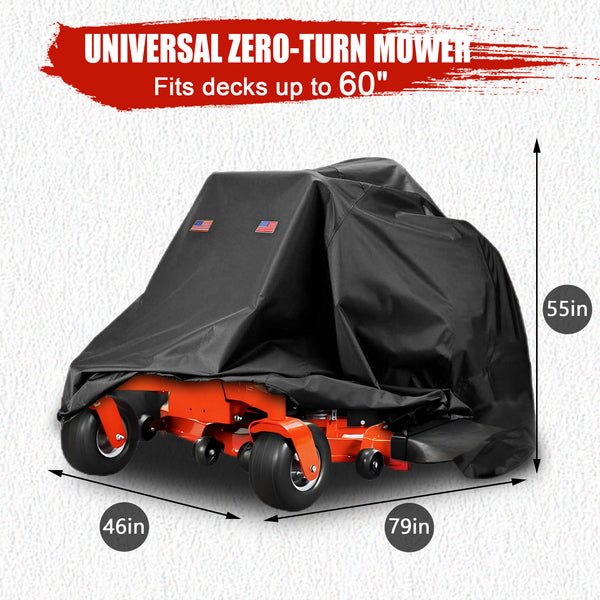
Have you ever pulled back your mower cover, only to find it dripping with water? That annoying wetness you see isn’t just a random problem—it’s caused by condensation.
Understanding why your mower cover gets condensation can save you from rust, damage, and costly repairs. You’ll discover the simple reasons behind this moisture buildup and how you can protect your mower. Keep reading to learn how to keep your mower dry and ready for the next job.
Credit: www.walmart.com
Causes Of Condensation On Mower Covers
Moisture trapped under the covercan cause water droplets to form. This happens when wet grass or rainwater gets inside. The cover holds the moisture close to the mower.
Temperature changesmake air hold less water. When the air cools at night, water forms on the mower and cover. This is common during spring and fall.
Poor ventilationstops air from moving around the mower. Without fresh air, moisture stays trapped. This makes condensation build up faster.
Dew formson cold surfaces like mower covers. It happens when warm, moist air meets the cool cover. The water in the air turns into tiny drops.
Credit: www.icloverstore.com
Effects Of Condensation On Lawn Mowers
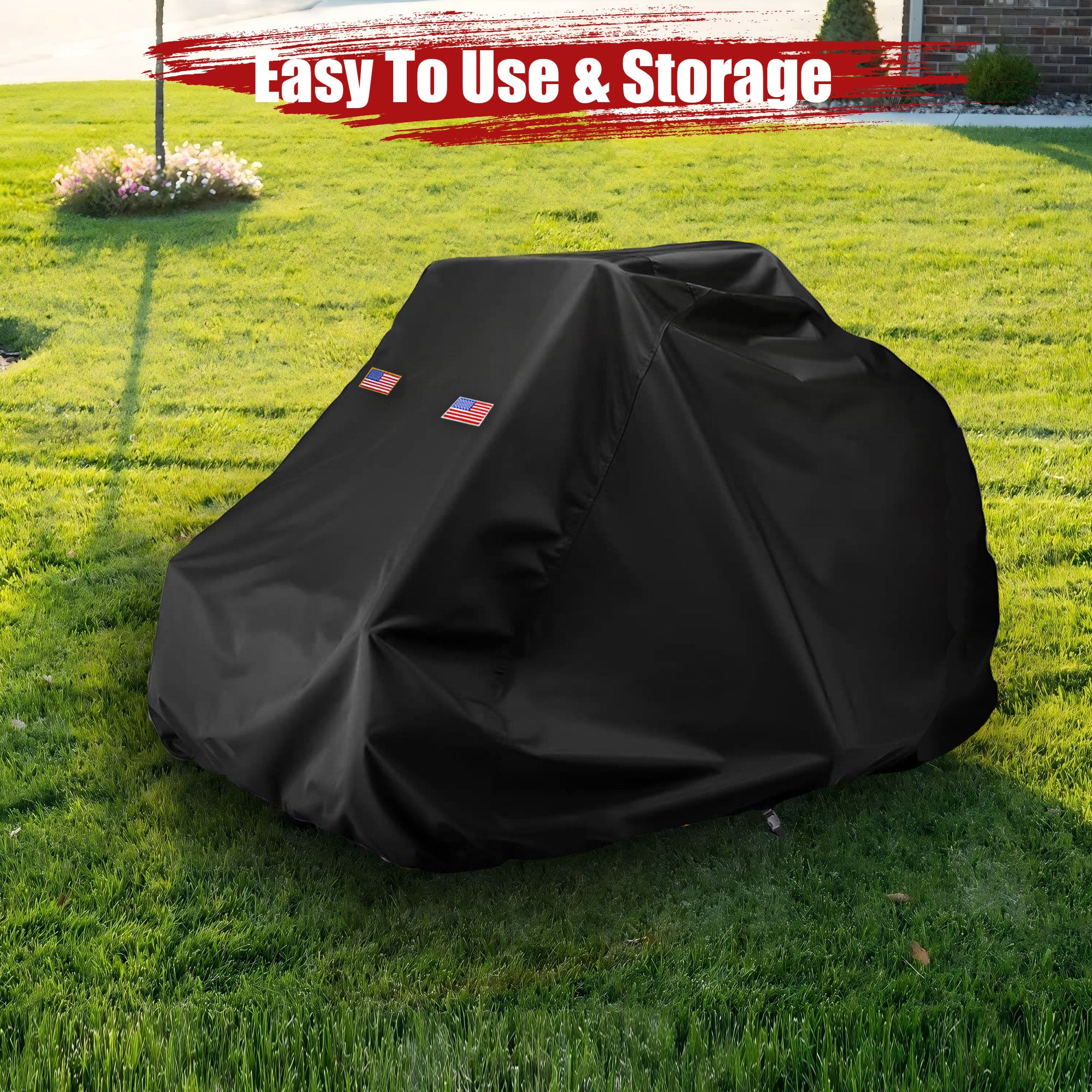
Condensationinside a mower cover causes rust and corrosionon metal parts. Water droplets form and sit on the mower’s surface. This moisture eats away at the metal, making it weak and unsafe.
Electrical parts inside the mower can also get damaged. Moisture causes short circuitsor stops parts from working. This means the mower might not start or run properly.
Overall, moisture inside the cover leads to a shorter mower life. Parts wear out faster and need more repairs. Protecting the mower from condensation helps it last longer and work better.
Materials That Resist Condensation
Breathable fabricshelp air flow through the cover. This stops moisture build-upunder the cover. These fabrics let water vapor escape. So, condensation is less likely to form.
Water-resistant coversprotect from rain and dew. They keep the mower dry on the outside. But some may trap moisture inside if not breathable. A balance of water resistance and breathability works best.
UV-protected optionsblock sun rays that can heat the mower. This helps prevent hot air from turning into water droplets. UV protection also stops the cover from breaking down.
| Material Type | Benefits | Notes |
|---|---|---|
| Breathable Fabric | Allows air flow, reduces moisture | Good for preventing condensation |
| Water-Resistant Cover | Keeps rain and dew out | May trap moisture if not breathable |
| UV-Protected Material | Blocks sun rays, prevents heat buildup | Increases cover durability |

Credit: www.amazon.com
Simple Fixes To Prevent Condensation
Good airflow keeps condensation away. Open vents on the cover. This lets air move around. Fresh air dries moisture. Use a fan if you can. It helps blow the moisture out. No moisture means no condensation.
Desiccants soak up moisture. Put them inside the cover. Silica gel packs work best. They are small and handy. Change them often. Wet desiccants stop working. Dry ones keep your mower dry.
Lift the mower off the ground. Use bricks or wood pieces. Air can move below it. This stops moisture from sticking. A dry bottom keeps the mower safe. It avoids rust and damage.
Clean the cover often. Use mild soap and water. Remove dirt and grime. Clean covers breathe better. Dry the cover completely. Wet covers trap moisture. A clean cover lasts longer.
Best Practices For Covering Your Mower
Choosing the right cover size is key. A cover too tight can trap moisture. A loose cover allows air to flow and keeps the mower dry. Measure your mower before buying a cover. This helps prevent condensation build-upand rust.
Always cover your mower after it cools down. Heat causes water vapor to form under the cover. Let the mower cool for at least 30 minutes before covering. This reduces moistureand prevents rust.
Store your mower in dry locations. Avoid damp garages or sheds. Moist air makes condensation worse. If possible, keep the mower in a well-ventilated area. This helps keep the mower dry and lasts longer.
Frequently Asked Questions
Why Does Mower Cover Get Condensation?
Mower covers trap moisture from air and grass. Temperature changes cause water vapor to condense on the cover. This leads to dampness and condensation buildup under the cover.
How Can I Prevent Condensation On Mower Covers?
Use breathable mower covers to allow airflow. Store the mower in a dry, ventilated area. Wipe off moisture before covering the mower to reduce condensation.
Does Condensation Damage The Mower Under Cover?
Yes, condensation can cause rust and corrosion on metal parts. It may also promote mold and mildew growth, damaging the mower’s components.
Is Covering A Wet Mower Responsible For Condensation?
Covering a wet mower traps moisture underneath. This moisture turns into condensation as temperatures fluctuate. Always dry the mower before covering it.
Conclusion
Condensation forms on mower covers due to trapped moisture and temperature changes. It happens when warm air meets a cold surface. Poor ventilation inside the cover also causes dampness. This moisture can lead to rust and damage over time. Choosing a breathable cover helps reduce condensation.
Always store the mower in a dry place. Regularly check and dry the cover if needed. Taking these simple steps keeps your mower safe and ready to use. Protecting your mower extends its life and saves money.





