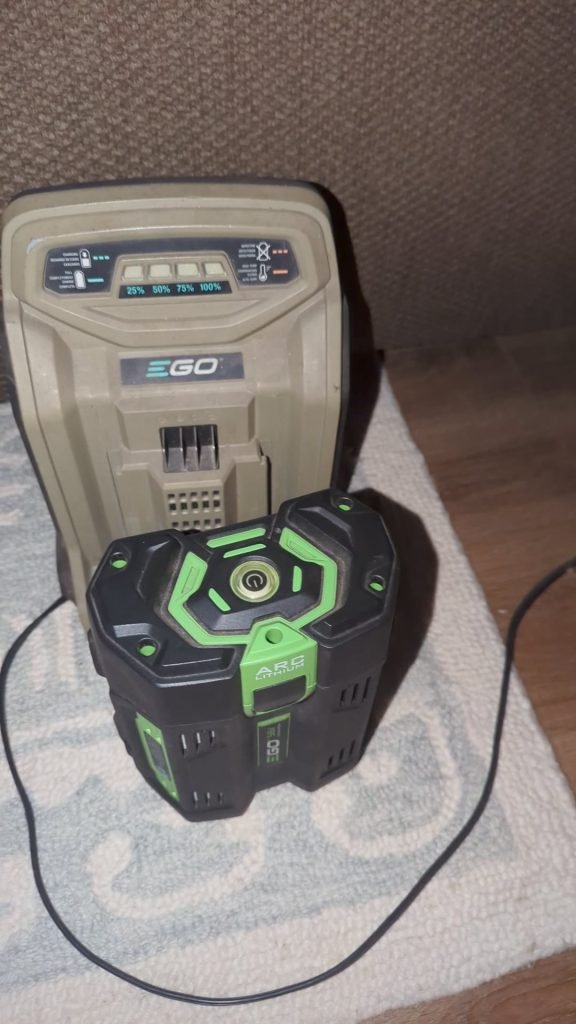
Is your mower’s battery not holding a charge like it used to? You’re not alone, and this problem can quickly turn a simple yard task into a frustrating experience.
Imagine starting your mower only to have it die halfway through your job. It’s annoying, and you want to fix it fast. You’ll discover the common reasons why your mower battery won’t hold a charge—and more importantly, what you can do about it.
Keep reading to get your mower back to working smoothly and save yourself time and hassle.

Credit: www.batteriesplus.com
Common Reasons Mower Batteries Fail
Understanding why your mower battery won’t hold a charge can save you frustration and money. Batteries fail for several common reasons that often go unnoticed. Identifying these can help you troubleshoot effectively and extend your battery’s life.
Age And Wear
Batteries have a limited lifespan, usually between 3 to 5 years. Over time, chemical reactions inside reduce their ability to hold a charge. If your mower battery is old, it’s likely the internal components are simply worn out.
Have you checked the battery’s age? Even if it looks fine, wear may be the culprit behind poor performance.
Overcharging Issues
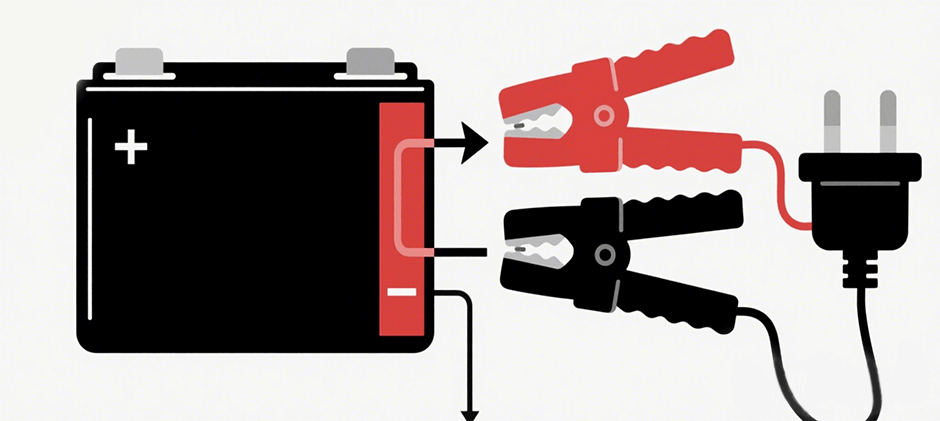
Overcharging can damage your battery permanently. Leaving the charger connected too long or using an incompatible charger causes overheating and reduces capacity.
Do you unplug your charger once the battery is full? This simple habit can prevent overcharging damage and keep your battery healthy longer.
Corroded Connections
Corrosion on battery terminals blocks the electrical flow. Even a thin layer of rust or dirt can stop the battery from charging properly.
Check your connections regularly. Cleaning terminals with a mixture of baking soda and water often restores good contact instantly.
Extreme Temperatures
Both extreme cold and heat affect battery performance. Cold weather slows chemical reactions inside the battery, while heat accelerates wear and evaporation.
Do you store your mower in a temperature-controlled space? Protecting your battery from temperature extremes helps maintain its charge capacity.
Faulty Charger
A charger that doesn’t supply consistent voltage or current can cause your battery to fail. Cheap or damaged chargers often don’t provide the right power level.
Have you tried charging your battery with a different charger? Using the correct, reliable charger ensures your battery gets the power it needs to last.
Signs Of A Dying Mower Battery
Recognizing the signs of a dying mower battery can save you time and frustration. Batteries don’t just stop working suddenly; they give clear hints before they fail completely. Paying attention to these signs helps you avoid getting stuck with a mower that won’t start when you need it most.
Slow Starts
Have you noticed your mower struggling to start or taking longer than usual to fire up? Slow starts often mean the battery is losing its ability to hold a full charge. It’s a common early warning that your battery’s power is weakening and might not last through the next mowing session.
Try this: if your mower cranks slowly or requires multiple attempts to start, test the battery voltage. A healthy battery should read around 12.6 volts or more. Anything significantly lower suggests it’s time for a replacement.
Battery Leakage
Check your battery for any signs of leakage or corrosion around the terminals. Leakage not only damages the battery but also can harm your mower’s electrical components. You might see white or greenish powdery deposits, which indicate acid leakage.
Leaking batteries are dangerous and unreliable. If you spot corrosion, clean it carefully with a mix of baking soda and water, but also consider replacing the battery. Ignoring leakage puts your mower at risk for more expensive damage.
Swollen Battery Case
A swollen or bloated battery case is a clear sign of internal damage. This can happen due to overcharging, heat exposure, or simply old age. When you see the battery casing bulge or deform, it’s no longer safe to use.
Swelling can cause the battery to leak or fail abruptly. If your battery looks puffed up, don’t try to revive it—replace it immediately. Your safety and mower’s performance depend on a healthy battery.
How To Test Your Mower Battery
Testing your mower battery helps find out why it won’t hold charge. Simple checks can reveal if the battery is weak or damaged. These tests do not need special skills or tools. You can do them at home with basic equipment.
Using A Multimeter
A multimeter measures the battery voltage quickly. Set the multimeter to DC voltage mode. Connect the red probe to the positive terminal and the black to the negative. A healthy 12-volt battery should read about 12.6 volts or higher. If the reading is below 12 volts, the battery may be weak or dead.
Load Testing
Load testing shows how the battery performs under real conditions. You can use a battery load tester or a simple device like the mower itself. Turn on the mower and observe if the battery voltage drops sharply. A quick drop means the battery cannot hold a charge under load. If you don’t have a tester, this test still helps check battery strength.
Visual Inspection
Look closely at the battery for any visible problems. Check for cracks, leaks, or bulging on the battery case. Corroded or loose terminals can cause poor connection and charging issues. Clean the terminals with a mixture of baking soda and water if you see corrosion. Replace the battery if there are physical damages or heavy corrosion.
Effective Fixes For Battery Problems
Struggling with a mower battery that won’t hold a charge? Frustrating, right? Let’s explore some effective fixes to get your mower running smoothly again. Simple actions can make a big difference. Follow these steps to troubleshoot and resolve common battery issues efficiently.
Cleaning Battery Terminals
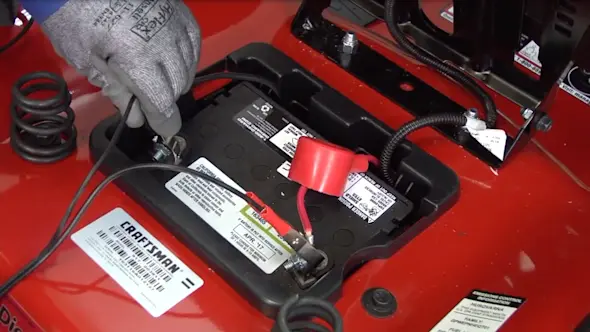
Dirty terminals can disrupt the battery’s connection. Ensure they are clean. Use a wire brush to scrub off corrosion. A mixture of baking soda and water helps. Apply it to terminals, then rinse thoroughly. This ensures a solid connection.
Replacing The Battery
If the battery is old, replacement may be necessary. Check the battery’s age and condition. If it shows signs of wear, consider a new one. Choose a compatible model for your mower. This ensures optimal performance and longevity.
Adjusting Charging Practices
Incorrect charging shortens battery life. Follow the manufacturer’s guidelines carefully. Avoid overcharging to prevent damage. Use a charger that matches the battery’s specifications. Regular checks ensure efficient charging.
Storing The Battery Properly
Proper storage extends battery life significantly. Store the battery in a cool, dry place. Avoid extreme temperatures. Disconnect it if not in use for long periods. This prevents unnecessary power drain and prolongs its life.
Preventive Tips To Extend Battery Life
Extending the life of your mower battery saves time and money. Simple habits can keep the battery strong and reliable. Regular care prevents common issues and keeps the mower ready to go.
Regular Maintenance
Check the battery terminals for dirt and corrosion often. Clean them with a mixture of baking soda and water. Tighten loose connections to avoid poor contact. Charge the battery fully after every use. Store the battery in a cool, dry place during winter. This avoids damage from cold or heat.
Avoiding Deep Discharges
Do not let the battery drain completely. Deep discharges reduce battery capacity over time. Charge the battery as soon as possible after use. Avoid leaving the battery unused for long periods without charging. A partially charged battery lasts longer and works better.
Keeping Battery Dry
Moisture can damage the battery and cause corrosion. Store the mower and battery away from rain and damp areas. Wipe off any water or dew from the battery surface. Use a waterproof cover if you keep the mower outside. Keeping the battery dry improves its lifespan and performance.
Credit: www.fridayparts.com
Credit: www.searspartsdirect.com
Frequently Asked Questions
Why Won’t My Mower Battery Hold A Charge?
A mower battery won’t hold charge due to age, corrosion, or improper charging. Damaged cells or poor maintenance also cause quick discharge. Regular cleaning and proper storage improve battery life and charging efficiency.
How Can I Fix A Mower Battery Not Charging?
To fix, check battery terminals for corrosion and clean them. Ensure the charger matches the battery type. Replace the battery if it’s old or damaged. Always store the mower in a dry, cool place.
What Causes Mower Batteries To Drain Quickly?
Quick drainage results from leaving lights on, loose connections, or a faulty charging system. Extreme temperatures and infrequent use also reduce battery performance. Regular checks help identify and prevent early battery failure.
How Long Does A Mower Battery Usually Last?
Mower batteries typically last 3 to 5 years with proper care. Usage frequency, storage conditions, and maintenance affect lifespan. Replacing batteries on time ensures consistent mower performance and avoids unexpected failures.
Conclusion
A mower battery that won’t hold charge causes many problems. Old age, dirt, or poor care can reduce battery life. Regular cleaning and proper storage help keep batteries healthy. Charging the battery fully before use is important too. Always check connections for rust or looseness.
Replacing a weak battery might be the best choice sometimes. Taking small steps can save time and money. Keep your mower ready for work with simple battery care.