Have you ever taken your mower out after months of storage, only to find the battery completely dead? It’s frustrating, isn’t it?
You expect your mower to be ready whenever you need it, but that battery just won’t cooperate. Understanding why your mower battery dies in storage can save you time, money, and a lot of hassle. Keep reading, and you’ll discover simple reasons behind this common problem—and easy steps you can take to keep your mower’s battery charged and ready all year round.
Common Causes Of Battery Drain
Batteries lose charge during storage for several reasons. Understanding these causes helps keep mower batteries healthy. Some common factors cause batteries to drain power even when not in use.
Natural Self-discharge
All batteries slowly lose charge over time. This process is called self-discharge. Chemical reactions inside the battery reduce its energy naturally. Even if the mower is off, the battery will weaken bit by bit.
Self-discharge rates vary by battery type and age. Older batteries lose charge faster than new ones. This slow drain can cause a dead battery after several months of storage.
Cold Weather Effects
Cold temperatures reduce battery performance. Low heat slows down the chemical reactions that generate power. Batteries stored in cold places drain quicker and may fail to start the mower.
Freezing temperatures can also damage battery cells. This damage lowers the battery’s ability to hold a charge. Storing batteries in a warmer spot helps avoid cold weather effects.
Parasitic Power Drain
Some mower models use small amounts of power even when off. This is called parasitic drain. It powers clocks, sensors, or displays. Over weeks, this slow drain can empty the battery.
Disconnecting the battery or removing fuses stops parasitic drain. Check your mower’s manual to find if this applies to your model.
Improper Storage Conditions
Storing batteries in poor conditions causes damage and drain. High humidity leads to corrosion on battery terminals. Dirt and moisture create electrical leaks that waste power.
Leaving batteries fully discharged also harms their lifespan. Batteries should be charged before storage and checked regularly. Clean, dry, and cool places are best for storage.
Credit: uknavimow.com
Signs Of A Dying Mower Battery
Recognizing the signs of a dying mower battery can save you from unexpected breakdowns and costly repairs. Batteries don’t just stop working overnight; they give you warning signals that something is wrong. Paying attention to these signs helps you act before your mower fails to start, especially after storage.
Slow Engine Crank
If your mower’s engine takes longer than usual to crank, it’s a strong sign your battery is weakening. You might notice the engine struggling or making a slow, labored sound when you turn the key. This happens because the battery can’t deliver the power needed quickly.
Have you ever tried to start your mower after winter and faced this sluggish response? It’s often due to battery discharge during storage. Testing the battery voltage can confirm if it needs a charge or replacement.
Dim Lights Or Indicators
When you turn on your mower, the lights or dashboard indicators should be bright and clear. Dim or flickering lights suggest the battery isn’t holding enough charge. This happens because the battery’s internal cells lose their ability to supply consistent energy over time.
Check your mower’s lights before starting it—if they seem weaker than usual, it’s a red flag. Sometimes, simply charging the battery can restore brightness temporarily, but this usually indicates the battery is near the end of its life.
Battery Age And Wear
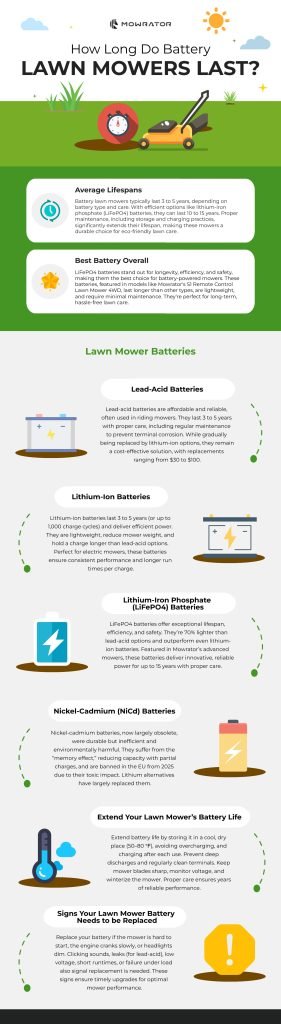
Batteries have a limited lifespan, typically around 3 to 5 years. If your mower battery is older, it’s natural for it to lose capacity and reliability. Corrosion on terminals and physical wear can also reduce performance.
Consider how long you’ve used the same battery. Even if it starts fine now, age and wear mean it won’t last much longer. Regular inspection and cleaning of battery terminals can extend life, but replacement might be the best option for consistent mower performance.
Simple Storage Tips To Preserve Battery Life
Preserving your mower battery life during storage is simple with a few smart steps. Proper care keeps the battery strong and ready for use. Neglect can cause the battery to lose power or get damaged.
Follow these easy tips to protect your battery and extend its life through the off-season.
Clean And Dry Storage Area
Store your battery in a clean, dry place. Dirt and moisture speed up battery wear. Wipe the battery terminals to remove any dirt or corrosion. Avoid places with extreme temperatures, as heat or cold can harm the battery.
Remove Battery During Off-season
Take the battery out of the mower if you won’t use it for months. This stops slow power loss and prevents damage from mower vibrations. Store the battery in a cool, dry spot away from metal objects to avoid short circuits.
Use A Battery Tender Or Maintainer
A battery tender keeps the battery charged without overcharging. It supplies a small, steady current to maintain battery health. Use it during long storage periods to prevent the battery from dying. This simple device saves time and money on battery replacement.

Credit: www.tycorunenergy.com
Effective Fixes For Battery Issues
Mower batteries often die in storage due to lack of use and natural power drain. Keeping the battery charged and stored in a cool, dry place helps maintain its life. Regular maintenance prevents unexpected battery failure.
Storing your mower battery without proper care can lead to frustrating issues like it dying unexpectedly. But don’t worry, there are effective fixes to ensure your battery’s longevity. Whether you’re dealing with old batteries or simply want to maintain your current one, these practical insights will help you out. Let’s dive into specific techniques that can revive or maintain your mower battery’s health.Proper Charging Techniques
Ensuring your battery is charged correctly is crucial. Use a charger specifically designed for your battery type. Avoid overcharging, as this can shorten its lifespan. Charge it fully before storage. A partially charged battery can degrade faster over time. Consider using a trickle charger to maintain the charge during long storage periods.Reconditioning Old Batteries
Old batteries aren’t necessarily dead. Reconditioning can breathe new life into them. Clean the battery terminals and check for corrosion. Try a battery reconditioning charger. These devices can restore lost capacity by removing sulfation. It’s a cost-effective method and can extend your battery’s usability.Replacing The Battery
Sometimes, replacement is the best option. If your battery fails to hold a charge, it’s time for a new one. Choose a battery that suits your mower’s specifications. Invest in a high-quality battery for better performance and longevity. Keep an eye on warranty offers for added peace of mind. Are you ready to give these fixes a try? Taking proactive steps now can save you time and money in the long run.Preventive Measures For Longevity
Keeping your mower battery healthy during storage takes more than just putting it away. You need to actively care for it to prevent it from dying prematurely. Simple but consistent actions can extend your battery’s life and save you the frustration of unexpected mower failures.
Regular Maintenance Schedule
Set a calendar reminder to check your mower battery at least once a month during storage. Clean the terminals to prevent corrosion, which can block electrical flow. A quick wipe with a damp cloth and some baking soda solution can do wonders.
Recharge the battery fully before storage, and top it up periodically. Leaving it discharged lets the battery sulfate, reducing its ability to hold a charge. Think of it like keeping a car engine running smoothly by regular oil changes.
Avoiding Deep Discharges
Deep discharges damage mower batteries more than you might expect. If your battery is left completely drained, it can cause irreversible chemical changes inside. Don’t wait for your mower to stop working before charging.
Use a smart charger that monitors voltage and stops charging when full. This prevents overcharging and deep discharging. Ask yourself: Are you treating your battery like a long-term investment or just a temporary tool?
Monitoring Battery Health
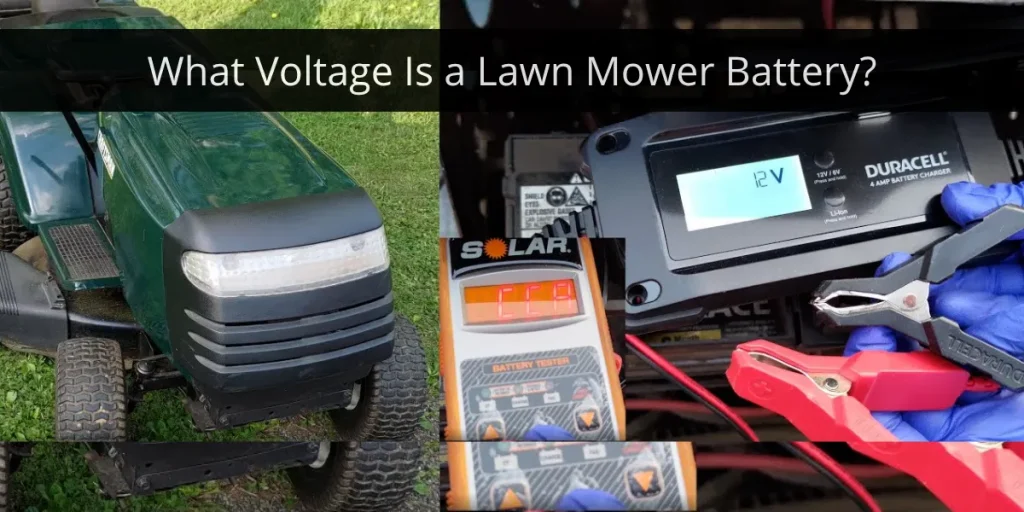
Keep an eye on your battery’s voltage and performance regularly. A simple voltmeter can tell you if your battery is holding a proper charge. If the voltage is consistently low, it might be time to replace it before it leaves you stranded.
Watch for signs like slow starts or dimmer lights, which signal weakening battery health. Catching these early can save you from costly repairs later. How often do you check your battery’s health during storage?
Credit: www.tycorunenergy.com
Frequently Asked Questions
Why Does My Mower Battery Lose Charge In Storage?
Mower batteries lose charge in storage due to natural self-discharge. Chemical reactions inside the battery reduce stored power over time, especially without regular use or charging.
How Can I Prevent Mower Battery Drain During Storage?
To prevent drain, disconnect the battery and store it in a cool, dry place. Regularly charge the battery every few weeks to maintain its health.
Does Temperature Affect Mower Battery Life In Storage?
Yes, extreme temperatures speed up battery discharge. Cold slows chemical activity but can cause freezing, while heat increases self-discharge and damages battery cells.
How Often Should I Charge My Mower Battery In Storage?
Charge your mower battery every 4 to 6 weeks during storage. This keeps the battery healthy and prevents deep discharge or permanent damage.
Conclusion
A mower battery can die in storage due to lack of use. Batteries lose charge slowly over time. Cold temperatures also reduce battery life. Leaving the battery connected can cause slow discharge. Regularly checking and charging the battery helps keep it healthy.
Store batteries in a cool, dry place. Removing the battery during storage can prevent drain. Proper care extends battery life and saves money. Remember, simple steps keep your mower ready for use. Don’t let a dead battery stop your work next season.