Have you ever wondered why mowing your lawn in the fall is just as important as in the spring or summer? You might think that once the growing season ends, your lawn can take a break.
But skipping your fall mowing could actually harm your grass and make your yard look less healthy next year. By taking a few simple steps now, you can give your lawn the boost it needs to stay green, strong, and ready for the cold months ahead.
Keep reading to discover why mowing your lawn in the fall matters and how it can save you time and effort when spring arrives. Your lawn will thank you!

Credit: www.calloways.com
Benefits Of Fall Lawn Mowing
Fall lawn mowinghelps the grass build strong roots. Cooler temperatures slow grass growth, but roots keep growing. This makes the lawn healthier for spring.
Mowing in fall also prepares the grass for winter. Cutting the grass at the right height keeps it safe from frost damage. Shorter grass means less chance of snow mold.
- Reduces pest problems:Removing tall grass lowers places where bugs hide.
- Less grass means fewer places for insects to lay eggs.
- This helps keep your lawn clean and healthy in spring.
Credit: www.yourgreenpal.com
Ideal Mowing Height In Fall
The ideal mowing height in fall helps grass stay strong for winter. Raise your mower blade to about 3 to 3.5 inches. This length keeps roots healthy and protects grass from cold.
Adjusting the blade for cooler months prevents damage. Cutting too short can cause stress and slow growth. Higher grass blades catch sunlight better and hold moisture.
- Avoid scalpingby not lowering the blade too much.
- Scalping causes brown patches and weak grass.
- Keep mower blades sharp for a clean cut.
- Cut grass only when dry to prevent tearing.
Best Mowing Frequency
Keeping a regular mowing schedulehelps maintain a healthy lawn in fall. Grass grows slower as temperatures drop, so mowing less often is best. Cutting too frequently can stress the grass before winter.
About once every 10 to 14 daysis a good rule for fall. This timing lets the lawn rest and recover between cuts. The grass stays strong and ready for winter.
Weather changes affect how often you mow. After rain, grass grows faster and may need mowing sooner. During dry spells, grass growth slows, so wait longer between cuts.
- Check soil moisture before mowing.
- Adjust mowing frequency based on weather.
- Keep mower blades sharp for clean cuts.
Lawn Care Tips After Mowing
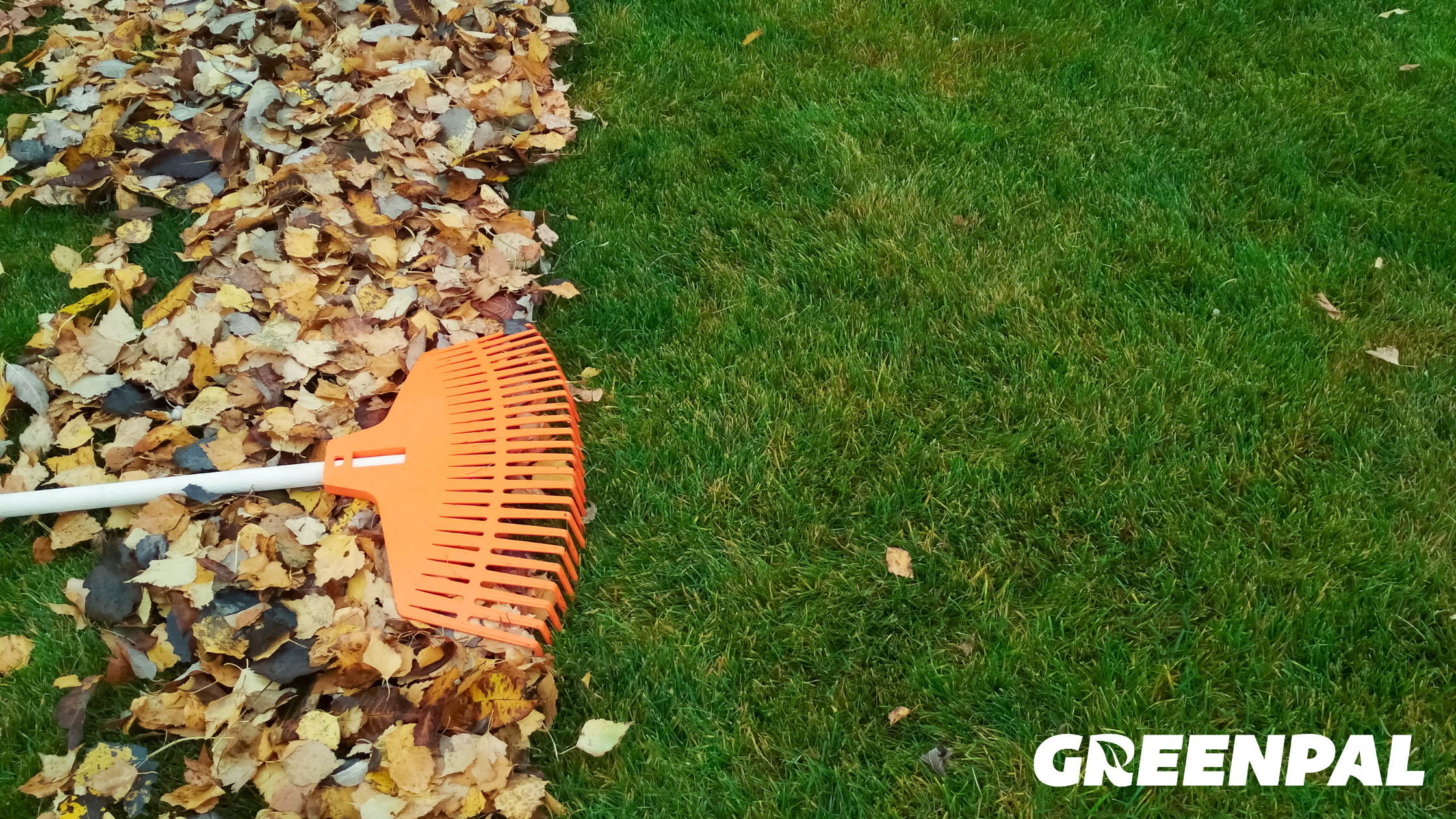
Grass clippings can be messy. Use a rake to gather them. Keep them in a compost bin. Clippings are great for compost. They add nutrients to the soil. Clean your mower after use. This keeps it working well. A clean lawn looks tidy and neat.
Aeration lets air into the soil. Use a garden fork to poke holes. This helps grass roots grow strong. Fertilization gives nutrients to the grass. Pick a good fertilizer for fall. Spread it evenly over the lawn. Healthy grass needs both air and food.
Watering is important for the lawn. Water your lawn in the morning. This keeps the grass from burning in the sun. Ensure the lawn is not too wet. Wet grass can rot or mold. A little water goes a long way. Check the weather for rain before watering.
Common Mistakes To Avoid
Cutting grass too short in fall can harm roots and slow growth. Avoid leaving clumps that block sunlight and cause mold. Mowing at the wrong time may stress your lawn before winter.
Mowing Too Short
Cutting grass too shortcan stress the lawn. Grass blades help protect roots during cold months. Short grass may lead to weaker rootsand more weed growth. Aim to leave about 2.5 to 3 inches of grass height. This length helps grass store energy for winter. It also keeps soil moist and cool.
Neglecting Equipment Maintenance
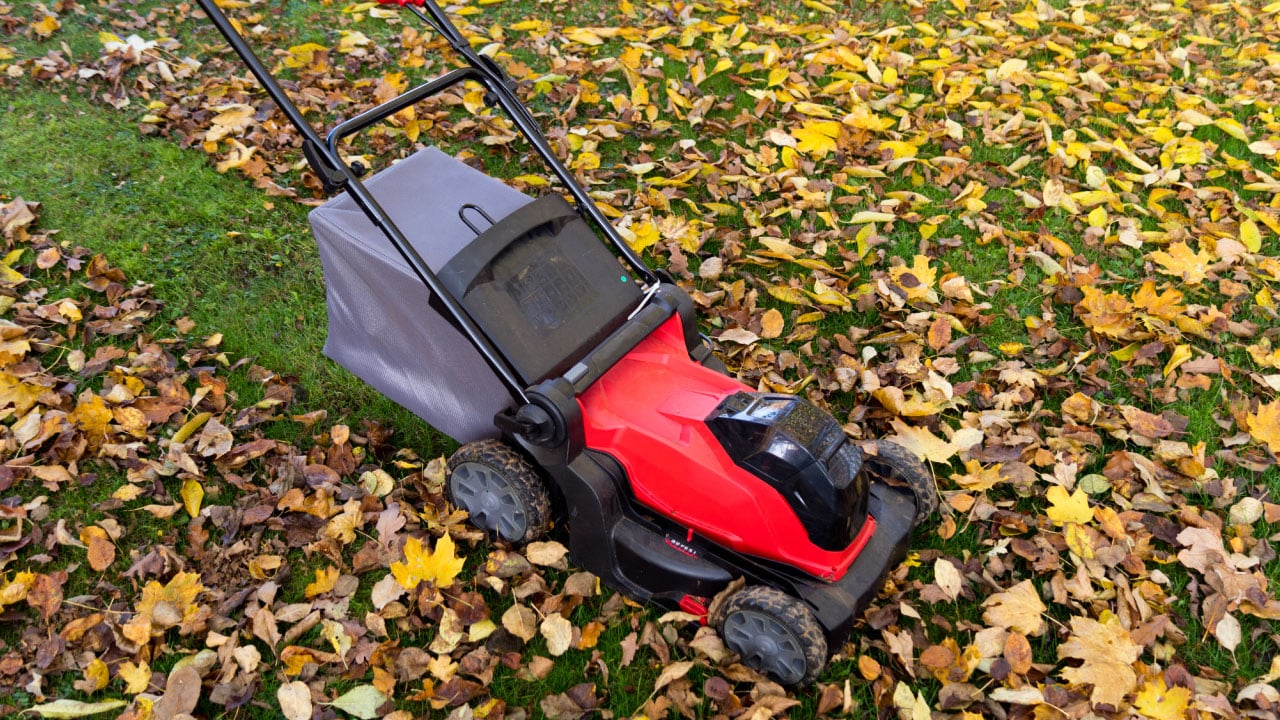
Sharp blades cut grass cleanly. Dull blades tear grass, causing damage and disease. Clean mower parts remove grass buildup. Check oil and fuel levels. A well-maintained mower runs smoothlyand saves time. Prepare your equipment before the last mow of the season.
Credit: scottslawncare.net
Frequently Asked Questions
Why Is Fall Mowing Important For Lawn Health?
Mowing in fall helps grass store nutrients and prepare for winter. It promotes strong root growth and reduces disease risks. Regular mowing keeps the lawn neat and healthy during seasonal changes.
How Often Should You Mow Your Lawn In Fall?
Mow your lawn once every one to two weeks in fall. Grass grows slower in cooler weather, so less frequent mowing is needed. Adjust mowing frequency based on local climate and grass growth.
What Is The Best Grass Height For Fall Mowing?
Maintain grass height between 2. 5 to 3 inches during fall. This height protects roots and prevents weed growth. Avoid cutting more than one-third of the grass blade at once.
Can Fall Mowing Prevent Winter Lawn Damage?
Yes, fall mowing reduces lawn stress and winter damage risks. It removes dead grass and debris, improving airflow and sunlight penetration. This prepares your lawn to survive harsh winter conditions.
Conclusion
Mowing your lawn in fall keeps it healthy and strong. It helps remove dead grass and leaves. The grass stays neat and grows better in spring. You avoid problems like pests and diseases later. Fall mowing saves you time and work next year.
A well-kept lawn makes your yard look nice all year. Remember to mow regularly, but not too short. Simple care now brings a greener lawn soon. Give your grass the best chance to thrive. Fall mowing is an easy step for a healthy lawn.