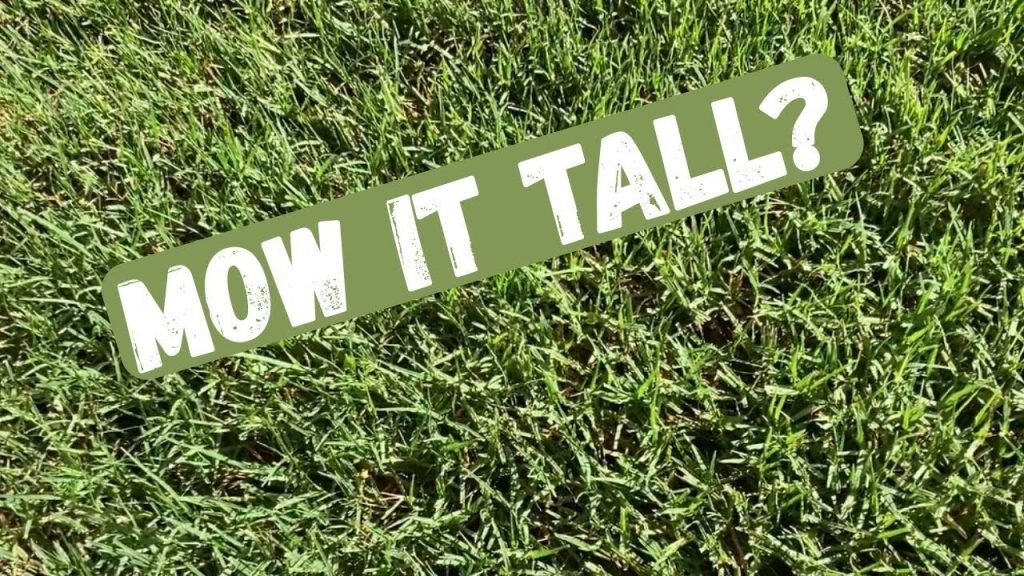
Are you struggling to keep your Bermuda grass looking its best? You might be missing a simple yet powerful trick: mowing it low.
Cutting your Bermuda grass shorter than you think can transform your lawn into a lush, green carpet that stands out in your neighborhood. But why exactly should you mow Bermuda grass low? And how low is too low? Keep reading to discover the surprising benefits of low mowing and how it can save you time, money, and effort while giving your lawn the healthy boost it needs.
Your perfect lawn is closer than you think.

Credit: www.youtube.com
Benefits Of Low Mowing
Low mowinghelps Bermuda grass grow faster. Cutting grass short encourages it to spread quickly across the lawn. This means a greener and thicker lawn in less time.
A denser lawnis easier to maintain. Short grass blades block sunlight from reaching weed seeds. This stops weeds from growing and keeps the lawn healthy. Thick grass also protects soil from drying out.
- Faster Growth Rates:Short grass grows new shoots faster.
- Improved Lawn Density:Grass grows thick and full, covering the ground well.
- Enhanced Weed Control:Less sunlight for weeds means fewer weeds in your yard.
Optimal Mowing Height
Mowing Bermuda grass low helps keep it dense and healthy. Short grass blocks sunlight to weeds, reducing their growth. This promotes a lush, green lawn that recovers quickly from damage.
Ideal Cutting Length For Bermuda Grass
Bermuda grassgrows best when cut low, usually at 1 to 1.5 inches. Cutting too high can cause it to grow thin and weak. Keeping it low helps the grass stay dense and healthy. It also stops weeds from growing well. Mowing low means you need to mow more often, about twice a weekin the growing season.
Seasonal Height Adjustments
In hot summer months, Bermuda grass can stay at 1 inch to keep it cool. In cooler seasons, raise the height to about 2 inches. This helps the grass store energy for winter. Raising the height in cooler months also stops the grass from getting damaged by cold or frost.
Techniques For Low Mowing
Choosing the right mower is key for low mowingof Bermuda grass. A mower with sharp bladescuts cleanly and avoids tearing the grass. Reel mowers or rotary mowers with adjustable height work best. Make sure the mower can cut as low as 1 to 2 inches.
Proper mowing frequency keeps Bermuda grass healthy. Mow often enough to cut only about one-third of the grass heightat a time. This helps avoid stress and promotes thick growth. Usually, mowing every 3 to 5 daysduring growing season works well.
Avoid scalping damage by not cutting grass too short too fast. Scalping exposes soil and can harm grass roots. Raise mower height if grass is dry or stressed. Keep blades sharp to prevent tearing and damage to the grass blades.

Credit: www.reddit.com
Impact On Lawn Health
Cutting Bermuda grass low helps it grow thick and strong. This practice reduces weeds and improves lawn health by promoting better sunlight and air flow.
Root System Strength
Mowing Bermuda grass lowhelps develop a strong root system. Short grass blades force the roots to grow deeper. Deeper roots hold soil better and absorb more nutrients. This makes the grass tougherand more able to survive dry spells.
Disease Resistance
Keeping Bermuda grass short reduces places where diseasescan hide. It improves air flow around the grass blades. Better air circulation helps stop fungal growth. Low mowing also allows sunlight to reach the soil, which helps kill harmful germs.
Water Efficiency
Short Bermuda grass needs less water. Deep roots pull water from deeper soil layers. This means the lawn stays green longer during dry times. Low mowing also reduces water evaporation from the soil surface. It helps the lawn use water more wisely.
Common Mistakes To Avoid
Cutting Bermuda grass too low too sooncan cause damage. The grass needs time to grow strong before being cut very short. Cutting too low early can stress the grass and lead to brown spots.
Ignoring signs of lawn stresslike yellowing or thinning grass is a common mistake. These signs mean the grass needs care, such as more water or less cutting. Taking action early helps keep the lawn healthy.
Overusing fertilizers can harm Bermuda grass. Too much fertilizer causes the grass to grow too fast and weak. It also can burn the grass and soil. Use fertilizer only as the label suggests for best results.

Credit: www.reddit.com
Maintenance Tips For Vibrant Bermuda
Bermuda grass loves sun but needs water too. Water early in the morning. This helps prevent disease. Use a sprinkler for even watering. Bermuda grass needs about 1 inch of water weekly. Check soil moisture with your fingers. Dry soil means it’s time to water. Wet soil is good for growing.
Fertilize Bermuda grass every 6 to 8 weeks. Use a balanced fertilizer. Nitrogen helps grass grow green and lush. Apply fertilizer when grass is dry. Water it after applying to help it soak in. Avoid fertilizing in the winter months.
Aerate Bermuda grass once a year. Use a garden fork or aerator tool. This helps air and water reach roots. Remove weeds regularly to keep soil healthy. Add compost to improve soil quality. Healthy soil helps grass grow strong.
Frequently Asked Questions
Why Should Bermuda Grass Be Mowed Low?
Mowing Bermuda grass low promotes dense growth and reduces weeds. It helps the grass develop strong roots and improves lawn health. Low mowing also enhances the grass’s ability to resist drought and heat stress, making it more resilient and attractive.
How Low Is Too Low For Bermuda Grass Mowing?
Mowing Bermuda grass below 0. 5 inches can harm the lawn. Cutting too low stresses the grass and exposes soil to sunlight. It is best to mow between 0. 5 and 1. 5 inches for optimal growth and lawn durability.
Does Low Mowing Reduce Bermuda Grass Pests?
Yes, low mowing helps reduce pests by eliminating hiding spots. It exposes pest larvae and insects to predators and sunlight. This practice keeps the lawn healthier and decreases the need for chemical pest control.
How Often Should I Mow Bermuda Grass Low?
Mow Bermuda grass every 5 to 7 days during the growing season. Regular mowing at low heights encourages thick turf and prevents weed invasion. Adjust frequency based on growth rate and weather conditions.
Conclusion
Mowing Bermuda grass low helps keep it healthy and strong. It stops weeds from growing tall and spreading. Short grass also uses water and nutrients better. Your lawn looks neat and green all season. Just mow regularly and avoid cutting too short.
This simple step makes your yard look great. Try it and see the difference yourself. A well-kept lawn brings pride and joy every day.