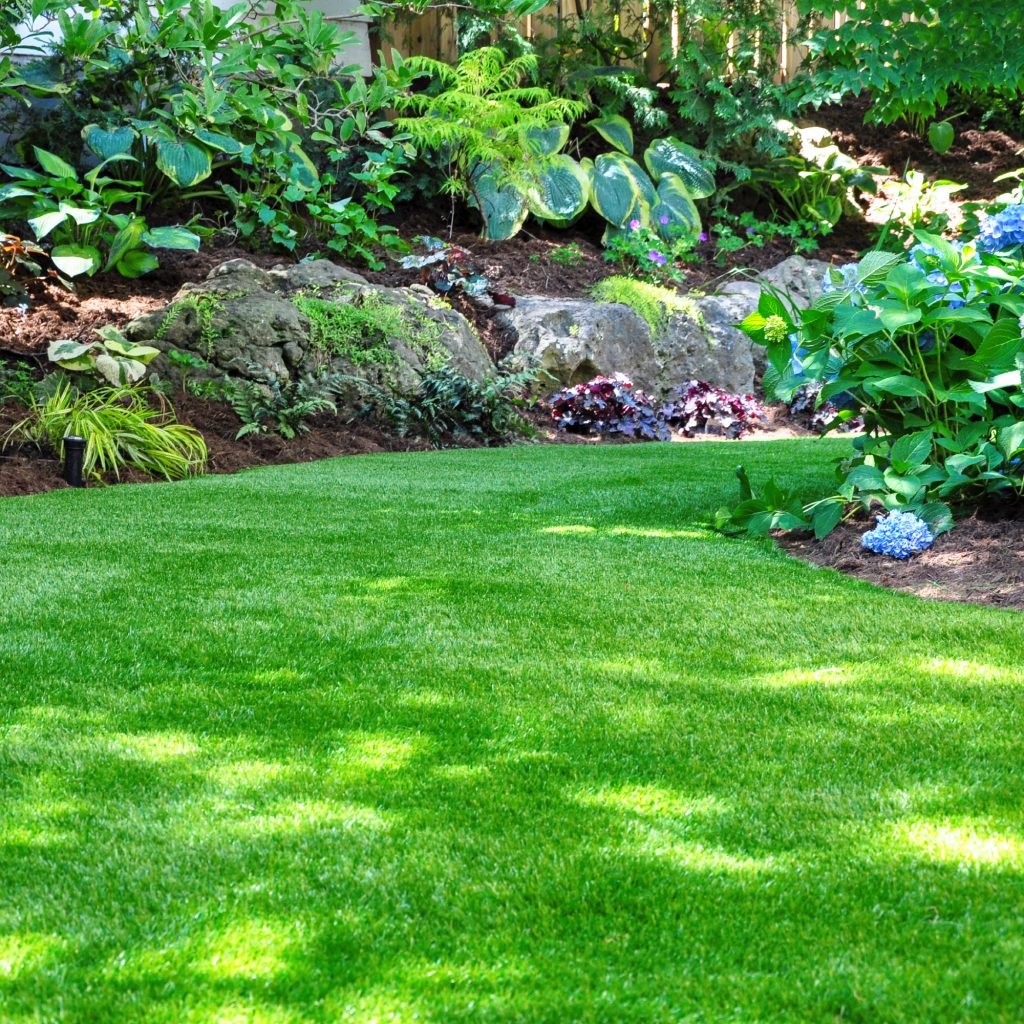
If you want your bentgrass lawn to look its best, knowing how short to mow it is key. Mowing bentgrass short isn’t just a tip—it’s a game changer for a smooth, healthy, and lush green surface.
You might wonder why cutting it shorter than usual makes such a difference. The truth is, the right mowing height helps your grass stay strong, resist weeds, and recover faster. Keep reading, and you’ll discover exactly why mowing bentgrass short can transform your lawn care routine and give you the vibrant turf you’ve been aiming for.
Benefits Of Short Bentgrass Mowing
Mowing bentgrass shorthelps create a very smooth and fast putting surface. This enhances green speed, making it easier to roll the ball evenly. Short mowing also improves turf density. Grass grows thicker and stronger, reducing bare spots. The grass blades grow close together, making the turf look lush and healthy.
Keeping bentgrass cut short also reduces disease risk. Short grass dries faster after rain or watering. Diseases like fungus need wet grass to grow. With less moisture, the turf stays healthier and needs fewer chemicals. This simple care step keeps bentgrass in great shape all season long.
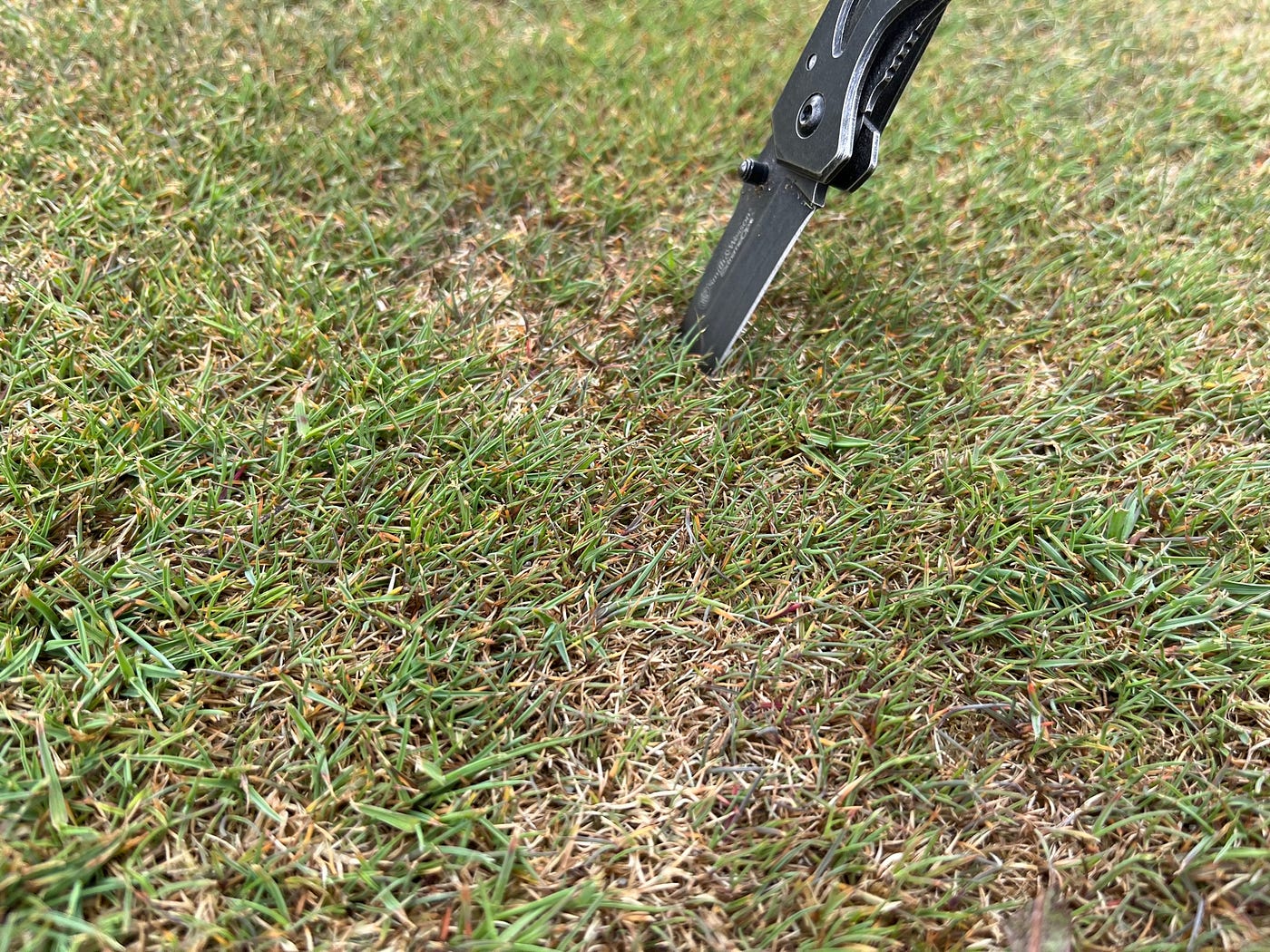
Credit: turfresearch.medium.com
Optimal Mowing Heights For Bentgrass
Bentgrassgrows best at specific heights for healthy turf. Keeping it shortimproves densityand smoothness. The recommended heightranges vary by season and use.
| Season | Height Range (inches) | Notes |
|---|---|---|
| Spring & Fall | 0.10 – 0.15 | Optimal for green speed and turf health |
| Summer | 0.12 – 0.18 | Allows grass to recover from heat stress |
| Winter | 0.15 – 0.20 | Prevents damage from cold temperatures |
- Seasonal adjustmentsprotect bentgrass from stress.
- Shorter mowing in cool months keeps grass tight.
- Longer height in hot months reduces drought stress.
- Use sharp reel mowersfor clean cuts.
- Mower height should be precise to avoid scalping.
- Regular mower maintenance helps keep grass healthy.
Techniques For Achieving Perfect Greens
Mowing bentgrassoften requires careful attention to frequency and timing. Cutting too rarely can stress the grass. Cutting too often may damage it. Aim to mow at least 3 to 4 times per weekduring the growing season. Early morning or late afternoon is best to avoid heat stress.
Sharp bladesare critical for clean cuts that promote healthy growth. Dull blades tear the grass, leading to brown tips and disease risk. Regularly sharpen and maintain mower bladesto ensure smooth, even mowing.
- Change mowing direction every time to avoid grass leaning.
- Use different patternsto reduce soil compaction.
- Alternate stripes and circlesfor a neat look.
Common Challenges And Solutions
Mowing bentgrass short helps control thatch and encourages dense growth. Challenges include stress on grass and disease risk, but proper watering and timing ease these issues.
Scalping Prevention
Bentgrass should be mowed short to keep it healthy. Scalping can harm the grass. It happens when too much grass is cut off. To prevent scalping, mow regularly and keep blades sharp. This helps grass stay strong. Mow when it’s dry to avoid clumps. Adjust mower height if needed.Managing Stress And Recovery
Short grass can get stressed easily. Stress happens due to hot weather or too much foot traffic. Water the grass in the morning. This helps it recover faster. Avoid mowing during hot days. Let the grass grow a little longer during stress times. It will give roots more strength.Dealing With Weather Impacts
Weather changes affect bentgrass. Rain can cause the grass to grow fast. Mow more often in rainy seasons. Drought makes grass dry. Water deeply but not too often. Protect grass from frost in cold months. Cover it with straw if needed. This keeps it safe from freezing. `Expert Tips For Consistent Results
Monitoring turf healthis key to keeping bentgrass strong. Check the grass color and thickness often. Look for signs of disease or pests early. Keep an eye on soil moisture and drainage to avoid stress. Healthy turf recovers faster and looks better.
Integrating fertilization and irrigationhelps the grass grow evenly. Use fertilizers with balanced nutrients for bentgrass. Water in the early morning to reduce evaporation. Avoid overwatering to stop root problems. Both fertilizing and watering should work together for best results.
Using technology for precisioncan improve mowing and care. Tools like soil moisture sensors show when to water. GPS mowers cut the grass evenly every time. Apps can track grass growth and health. Technology saves time and keeps turf in top shape.
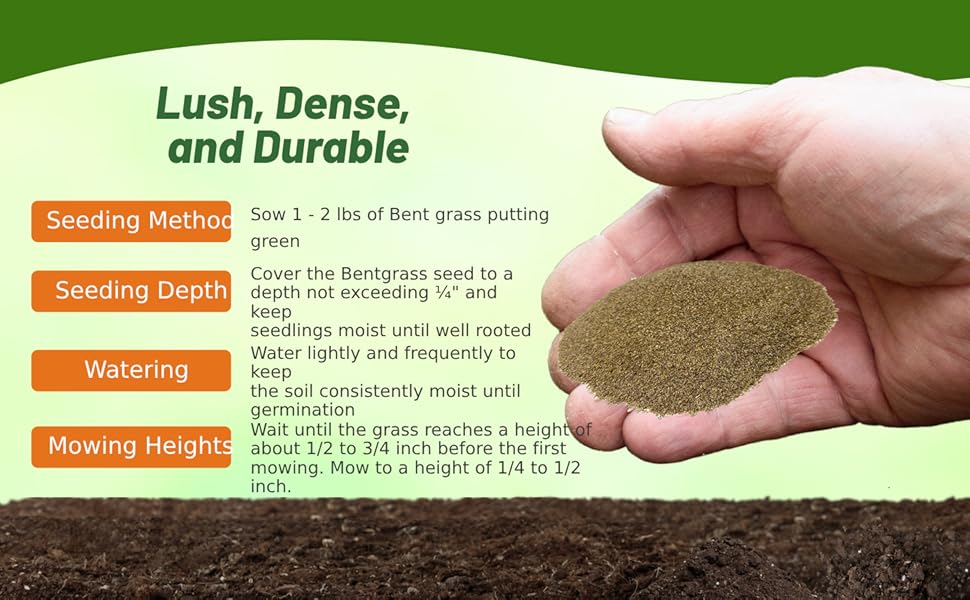
Credit: www.outsidepride.com

Credit: www.barusa.com
Frequently Asked Questions
Why Should You Mow Bentgrass Short?
Mowing bentgrass short promotes dense, healthy turf by encouraging lateral growth. It improves playing surface smoothness and reduces disease risks by limiting moisture retention.
How Does Short Mowing Affect Bentgrass Health?
Short mowing helps bentgrass develop strong roots and tighter growth. It enhances air circulation and sunlight penetration, which reduces fungal diseases and keeps the turf resilient.
What Is The Ideal Height For Mowing Bentgrass?
The ideal mowing height for bentgrass ranges from 0. 1 to 0. 25 inches. This range balances turf density, health, and playability, especially on golf greens and high-maintenance lawns.
Can Mowing Bentgrass Short Improve Turf Quality?
Yes, mowing bentgrass short improves turf quality by creating a uniform, smooth surface. It minimizes thatch buildup and encourages strong, stress-tolerant grass growth.
Conclusion
Mowing bentgrass short keeps the lawn healthy and neat. It helps grass grow thick and strong. Short mowing stops weeds and disease from spreading. It also makes the lawn look smooth and green. Regular cutting at the right height saves water and time.
Small steps like this make a big difference. Give your bentgrass the care it needs. Enjoy a beautiful, lush lawn all season long. Simple habits lead to great results.