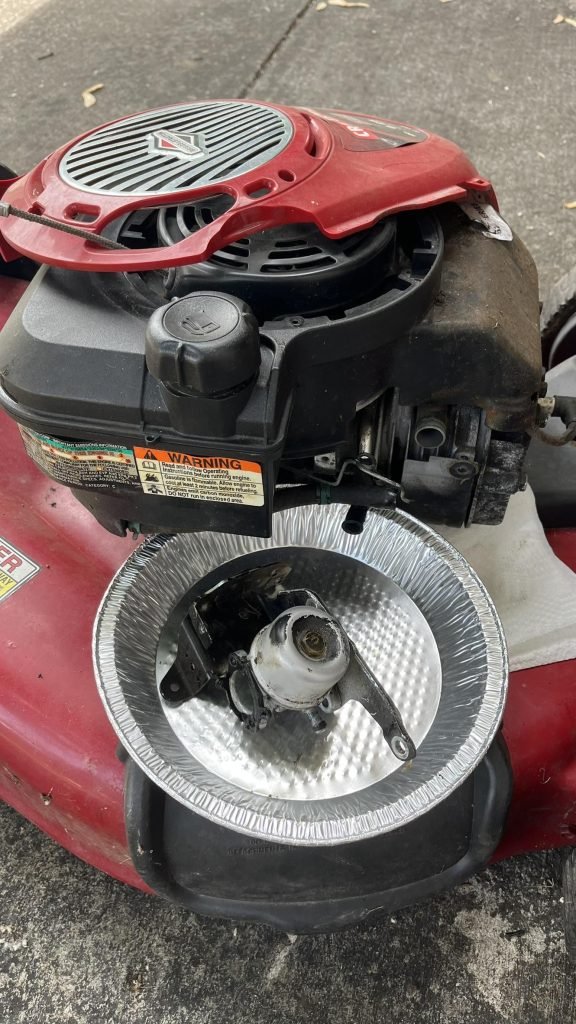
Is your push mower engine refusing to start just when you need it most? You’re not alone, and it can be incredibly frustrating.
Whether your lawn is overgrown or the grass is calling for a quick trim, a mower that won’t start can ruin your plans. But don’t worry—understanding the common reasons behind this problem can save you time and money. Keep reading, and you’ll discover simple, effective steps to get your mower roaring back to life quickly.
Your lawn deserves it, and so do you.

Credit: m.youtube.com
Common Causes Of Starting Issues
When your push mower engine refuses to start, it’s frustrating and often confusing. Identifying the common causes of these starting issues can save you time and money. Understanding these problems helps you troubleshoot effectively and get back to your lawn care quickly.
Fuel Problems
Old or stale fuel is a frequent culprit behind starting issues. Gasoline can degrade over time, causing poor combustion or clogging the fuel system. If your mower has been sitting unused for months, drain the old fuel and add fresh gasoline to see if that resolves the problem.
Also, check if the fuel valve is turned on and the gas tank has enough fuel. Sometimes, a simple oversight like an empty tank or closed valve stops your mower from starting.
Spark Plug Issues
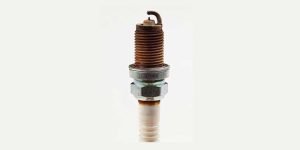
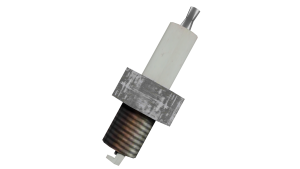
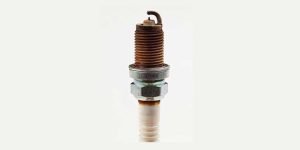
The spark plug ignites the fuel-air mixture in the engine. If it’s dirty, worn out, or damaged, the engine won’t fire up. Remove the spark plug and inspect it for buildup or cracks; cleaning or replacing it often restores performance.
Have you ever tried starting your mower with a faulty spark plug? You’ll notice the engine struggles or fails completely. Keeping the spark plug in good condition is key to smooth starts.
Air Filter Blockages
A clogged air filter restricts airflow to the engine, which can prevent starting or cause rough running. Check your air filter regularly, especially if you mow in dusty or grassy conditions. Cleaning or replacing a dirty air filter can improve engine breathing and starting reliability.
Carburetor Troubles
The carburetor mixes fuel and air before combustion. If it’s dirty or clogged, the engine won’t get the right mixture to start. Signs include sputtering or stalling shortly after starting.
Cleaning the carburetor with a suitable cleaner or rebuilding it can fix these issues. If you’ve never done this before, it might be worth consulting a professional to avoid causing further damage.
Battery And Electrical Faults
Some push mowers have electric start systems that rely on a battery. If the battery is dead or connections are loose, the engine won’t crank. Check battery charge and terminals for corrosion or looseness.
Even with a pull-start mower, faulty ignition switches or wiring can cause starting problems. Inspect electrical components carefully to ensure everything is connected and functioning properly.

Credit: www.reddit.com
Step-by-step Troubleshooting
Troubleshooting a push mower engine that won’t start can feel frustrating, but breaking the process down into clear steps makes it manageable. Each part of your mower plays a role, so checking them one by one helps you find the root cause quickly. Let’s walk through practical checks that anyone can do, even without prior mechanical experience.
Checking The Fuel Supply
Your mower needs fresh fuel to run properly. Old or contaminated gasoline can cause the engine to stall or fail to start.
- Look inside the fuel tank. Is the gas fresh, clear, and at the right level?
- Drain any old fuel if it smells sour or looks cloudy, then refill with fresh gasoline.
- Make sure the fuel valve (if your mower has one) is open.
Have you ever tried starting a mower only to realize the tank was empty? It’s a simple fix that’s often overlooked.
Inspecting And Cleaning The Spark Plug
The spark plug ignites the fuel-air mixture, so it must be clean and functional. Dirt or wear here can prevent your mower from starting.
- Remove the spark plug using a wrench.
- Check for carbon deposits or damage on the electrode.
- Clean it with a wire brush or replace it if it looks worn out.
Sometimes a quick clean here can bring your mower back to life faster than you expect.
Replacing Or Cleaning The Air Filter
A clogged air filter chokes the engine by restricting airflow. This can cause rough starting or stalling.
- Locate the air filter cover and remove it.
- Inspect the filter for dirt, debris, or damage.
- If it’s a foam filter, wash and dry it; if paper, replace it when dirty.
Have you noticed your engine sputtering or losing power? The air filter might be starving it of oxygen.
Cleaning The Carburetor
The carburetor mixes fuel and air in the right ratio. A dirty carburetor can block fuel flow and prevent starting.
- Remove the carburetor carefully, noting how it’s attached.
- Use a carburetor cleaner spray to remove any buildup inside.
- Check the fuel lines for clogs and replace gaskets if needed.
Even a small clog can stop your mower’s engine from firing up. Cleaning the carburetor often saves a trip to the repair shop.
Testing Electrical Connections
Your mower’s electrical system includes wires and switches that must be connected and working properly.
- Inspect wires for any signs of damage or corrosion.
- Ensure all connectors are tight and secure.
- Test the safety switch and ignition coil for proper function.
Have you checked if a loose wire might be the reason your mower stays silent? Simple electrical issues are common but easy to fix.
Maintenance Tips To Prevent Starting Problems
Your push mower engine might not start due to neglect in maintenance. Regular care can prevent many common issues. Following these maintenance tips ensures a smooth operation and extends your mower’s lifespan.
Regular Fuel Replacement
Old fuel can cause starting problems. Fresh fuel is crucial for smooth engine function. Replace any gasoline older than 30 days. Store fuel in a clean, sealed container away from direct sunlight.
Routine Spark Plug Care
Check the spark plug for wear or damage. Clean or replace it annually for best performance. Ensure connections are tight and free of corrosion. A healthy spark plug ignites fuel efficiently.
Keeping The Air Filter Clean
A dirty air filter chokes the engine. Inspect it regularly and clean it if dusty. Replace it if it looks worn or damaged. A clean filter ensures proper airflow and engine efficiency.
Seasonal Engine Checks
Inspect the engine before and after each mowing season. Look for leaks, loose parts, or unusual sounds. Address any issues promptly to prevent larger problems.
Proper Storage Practices
Store your mower in a dry, sheltered area. Drain fuel before storing it for long periods. This prevents fuel degradation and protects the engine.

Credit: www.eufy.com
When To Seek Professional Help
Knowing when to seek professional help with your push mower engine can save you time, money, and frustration. While some issues are easy to fix on your own, others require expert attention to avoid further damage. Recognizing the signs that you need a mechanic is key to keeping your mower in good working condition.
Persistent Engine Failures
If you’ve tried troubleshooting multiple times and your mower still won’t start, it’s a clear sign to get professional help. Constant failures often indicate a deeper problem that simple fixes like changing the spark plug or cleaning the carburetor won’t solve. Don’t let repeated attempts waste your weekend—experts can diagnose persistent issues quickly.
Complex Mechanical Issues
Some engine problems involve intricate parts like the ignition system, fuel pump, or internal engine components. These require specialized tools and knowledge to fix properly. Attempting repairs without the right experience can lead to costly mistakes or safety hazards. If your engine shows signs like strange noises, smoke, or fuel leaks, it’s best to consult a professional.
Warranty And Service Options
Have you checked if your mower is still under warranty? Many manufacturers cover repairs for certain issues, but only if the work is done by authorized technicians. Using a professional service ensures your warranty remains valid and your mower gets genuine parts. Additionally, professionals often provide guarantees on their repairs, giving you peace of mind.
Frequently Asked Questions
Why Won’t My Push Mower Engine Start?
A push mower engine may not start due to fuel issues, dirty spark plugs, or a clogged air filter. Check for fresh fuel, clean or replace the spark plug, and clear the air filter to fix common starting problems.
How Do I Fix A Flooded Push Mower Engine?
To fix a flooded engine, remove the spark plug and dry it. Let the mower rest for 15-20 minutes. Avoid pressing the throttle when restarting to prevent flooding again.
Can Old Fuel Cause Mower Engine Starting Issues?
Yes, old fuel can cause starting problems. Gasoline degrades over time and loses its combustibility. Use fresh fuel or add a fuel stabilizer to prevent engine issues.
What Role Does The Spark Plug Play In Starting?
The spark plug ignites the fuel-air mixture in the engine. A dirty or faulty spark plug stops ignition, preventing the mower from starting. Clean or replace it regularly for smooth starts.
Conclusion
A push mower engine may not start for many simple reasons. Check the fuel, spark plug, and air filter first. Dirty or old parts often cause problems. Regular maintenance keeps your mower ready to work. Small fixes can save time and money.
Understanding these basics helps you avoid frustration. Keep your mower clean and parts in good shape. Then, your lawn stays neat without trouble. Easy steps make a big difference. Try them before calling a repair expert.