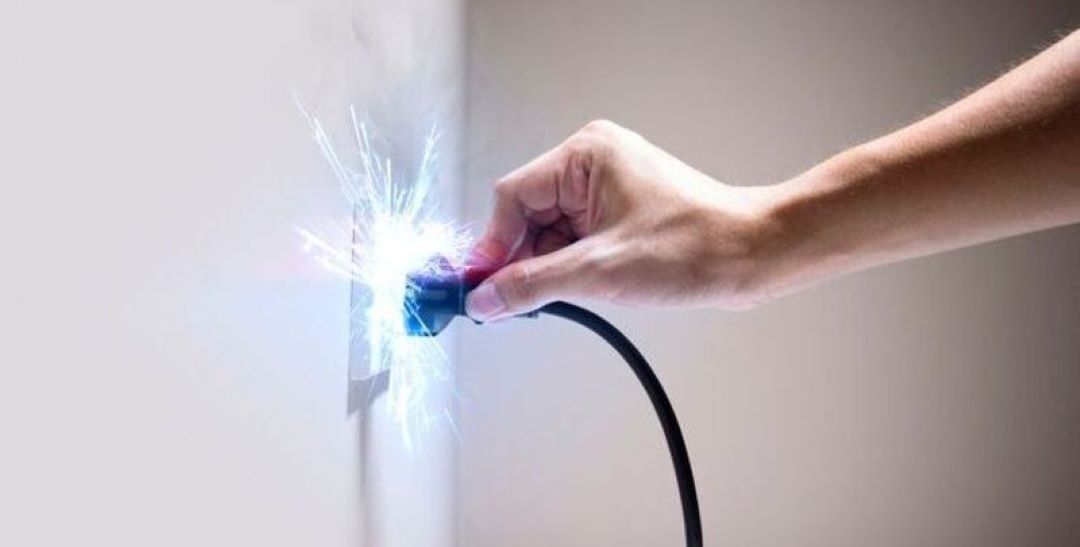
Have you ever plugged something into an outlet and noticed a sudden spark? If you have, you’re not alone, and it’s perfectly normal to feel a little concerned.
Your home is your safe haven, and the last thing you want is to worry about electrical issues. But before you jump to conclusions or panic, let’s get to the bottom of why this might be happening. Understanding the cause can not only ease your mind but also help you take the necessary steps to keep your home safe.
Stay with us as we uncover the reasons behind those unsettling sparks and what you can do about them. This knowledge can empower you, turning a moment of worry into an opportunity for safety and peace of mind.

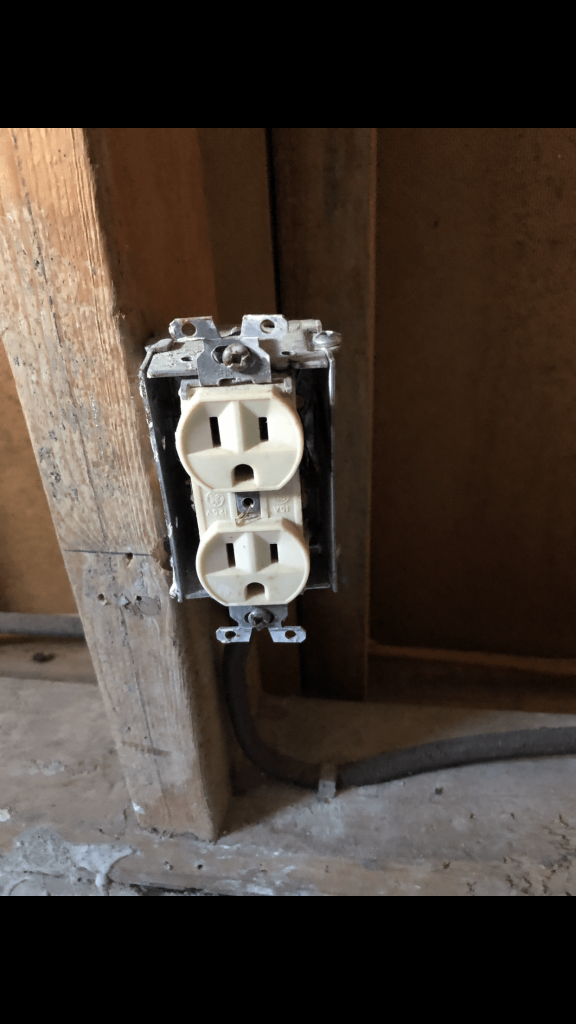
Credit: www.reddit.com
Common Causes Of Outlet Sparking
Sparking outlets can signal a problem in your home’s electrical system. Knowing common causes helps you act quickly and safely. Sparks may mean a small issue or a serious hazard. Understanding these causes keeps your home safe and reduces fire risks.
Loose Wiring
Loose wiring inside the outlet can cause sparks. Wires that are not tightly connected create gaps. Electricity jumps across these gaps, creating sparks. Over time, loose wiring can damage the outlet or start a fire.
Overloaded Circuit
Plugging too many devices into one circuit causes overload. The circuit tries to handle more electricity than it can. This overload can cause sparks at the outlet. Avoid using too many high-power devices at once.
Damaged Outlet
Outlets wear out or get damaged with time. Cracks or broken parts inside the outlet can spark. Damage may come from physical impact or age. Replace damaged outlets to prevent sparks and hazards.
Faulty Appliance
An appliance with internal electrical problems can cause sparking. The fault inside the device sends irregular current to the outlet. This irregular flow leads to sparks. Test appliances on a different outlet to check for faults.
Moisture Exposure
Water or moisture near outlets creates a spark risk. Moisture helps electricity jump where it should not. Bathrooms, kitchens, and outdoor outlets are most at risk. Keep outlets dry and use covers in damp areas.
Credit: www.angi.com
Risks Of Ignoring Sparking Outlets
Ignoring sparking outlets might seem harmless at first, but it can lead to serious problems that affect your safety and property. These sparks are warning signs that something is wrong with your electrical system. Understanding the risks can help you decide when to call a professional before the situation worsens.
Electrical Fires
Sparking outlets can cause electrical fires, which start when the sparks ignite nearby flammable materials. A small spark in your wall can quickly turn into a dangerous blaze that spreads through your home. Have you ever thought about how many fires begin because of faulty wiring? Taking sparks seriously can prevent devastating damage and protect your family.
Shock Hazards
Each spark is a reminder that electricity is escaping where it shouldn’t. This increases the risk of electric shock, especially if you touch the outlet or plug in a device. Shocks can cause injuries or even be fatal, so it’s crucial to avoid using sparking outlets until they are fixed.
Damage To Devices
Sparks can create unstable electrical currents that damage your electronics. Your expensive gadgets may experience short circuits or lose functionality over time due to these power surges. Have you noticed devices acting strangely after plugging into a sparking outlet? Protect your investments by addressing outlet issues promptly.
How To Safely Inspect The Outlet
Inspecting a sparking outlet requires caution and clear steps. Safety is the top priority to avoid shocks or fire risks. A careful check can help identify simple problems or signal the need for a professional.
Turn Off Power
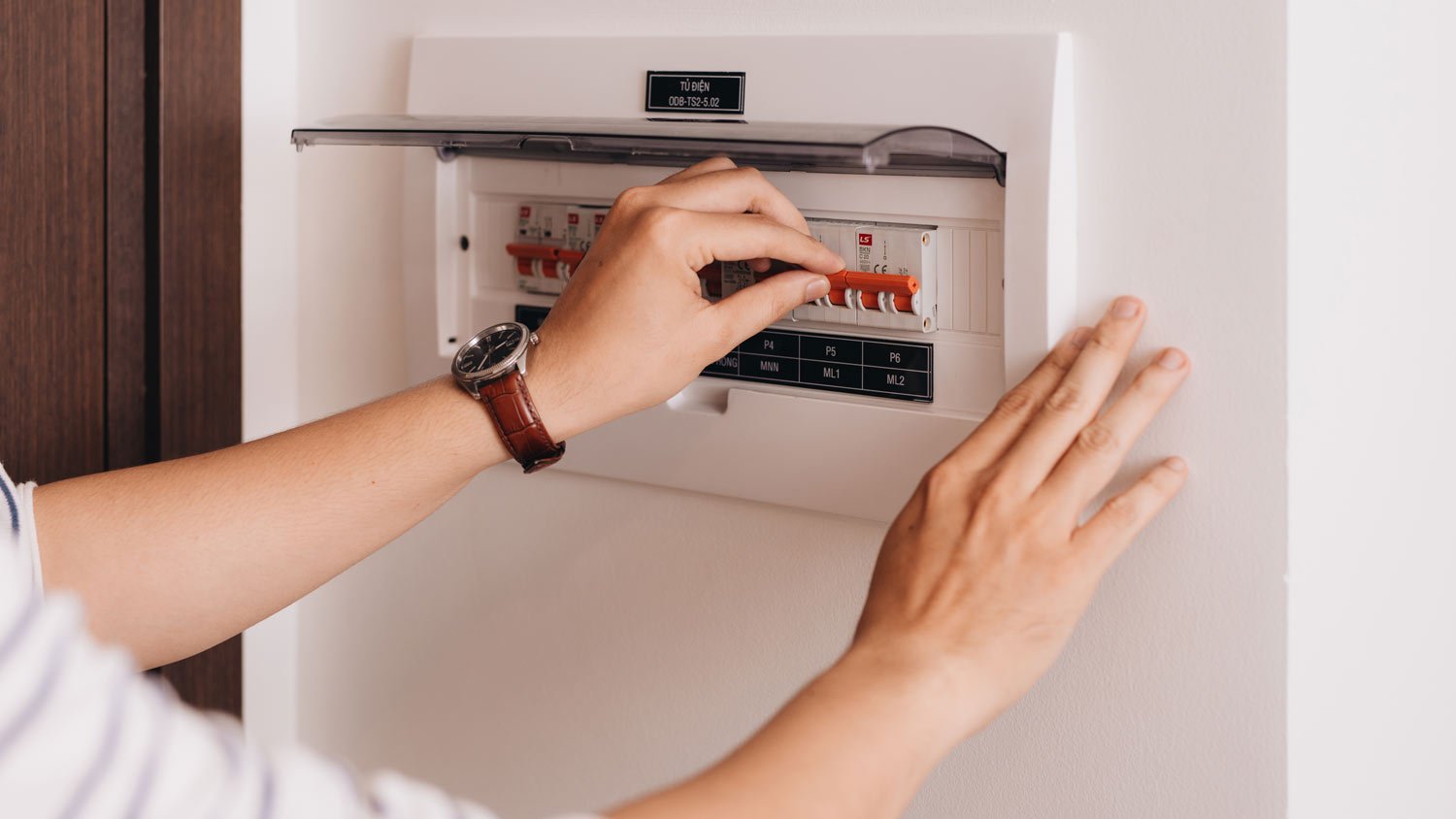
Switch off the power at the circuit breaker before touching the outlet. This stops electricity flow and reduces shock risk. Confirm the power is off by testing the outlet with a non-contact voltage tester or plugging in a lamp that is known to work.
Check For Visible Damage
Look closely at the outlet for cracks, burn marks, or melted plastic. Inspect the wall plate and surrounding area for discoloration or odd smells. Any damage signs mean the outlet should not be used until fixed by an electrician.
Test With A Different Appliance
Plug a different, working appliance into the outlet. If it sparks again, the issue likely lies in the outlet or wiring. No sparks suggest the original appliance or its plug may be faulty. Always avoid using sparking outlets to prevent hazards.
Credit: www.litoelectrical.com
Diy Fixes For Sparking Outlets
Dealing with a sparking outlet can be alarming, but sometimes the fix is simpler than you think. Many electrical issues arise from loose connections, worn-out parts, or too many devices drawing power at once. Tackling these problems yourself can save time and money, but safety always comes first.
Tighten Wiring Connections
Loose wires often cause sparking when you plug in an appliance. Before you start, turn off the power at the breaker to avoid shocks. Remove the outlet cover and use a screwdriver to gently tighten the screws holding the wires in place.
Check for any frayed or exposed wires and trim or replace them if needed. You might be surprised how a simple twist of a screw can stop the sparks and make your outlet safe again. Have you ever noticed a flicker or spark when plugging in a device? This could be the sign of a loose connection.
Replace Damaged Outlets
If tightening wires doesn’t help, the outlet itself might be damaged. Cracks, burn marks, or a loose fit when plugging in devices are clear signs to replace the outlet. You can buy a new outlet at any hardware store for just a few dollars.
After turning off the power, remove the old outlet carefully. Match the wiring exactly when installing the new one, and always double-check your connections. Imagine how much safer your home will feel once that worn outlet is swapped out for a fresh, secure one.
Reduce Circuit Load
Sometimes sparking happens because too many devices are pulling power from the same circuit. Consider unplugging unnecessary gadgets or spreading them across different outlets. Overloading a circuit can cause sparks, flickering, or even tripped breakers.
Have you checked what’s plugged into your outlets recently? A power strip filled with high-wattage devices might be the culprit. Managing your circuit load can prevent sparks and keep your electrical system running smoothly.
When To Call An Electrician
Knowing when to call an electrician can save you from serious hazards and costly repairs. Sparking outlets might seem like a small issue, but they can signal underlying electrical problems that need professional attention. Understanding the signs that require expert help ensures your home stays safe and your electrical system works smoothly.
Persistent Sparking
If your outlet sparks every time you plug something in, don’t ignore it. Persistent sparking often means loose wiring or damaged components inside the outlet. These issues can cause electrical shocks or even fires, so calling an electrician quickly is crucial.
Think about this: Have you noticed sparking that worsens over time or happens with multiple devices? That’s a clear sign the problem isn’t going away on its own.
Complex Wiring Issues
Sometimes sparking is just the visible symptom of a more complicated wiring problem. If your home has older wiring or if multiple outlets are affected, it’s time to get a professional involved. An electrician can safely inspect the wiring and fix hidden faults that you can’t see.
Attempting to fix complex wiring yourself can be dangerous and may void insurance coverage. Would you risk your safety and property for a quick fix?
Upgrading Old Electrical Systems
Older electrical systems often struggle with modern power demands, causing outlets to spark. If your home was built decades ago, consider having an electrician evaluate your system. Upgrading can prevent sparking and improve overall safety.
Upgrades might include installing new outlets, circuit breakers, or even rewiring parts of your home. Have you thought about when your electrical system was last updated?
Preventing Future Sparking Problems
Preventing sparking from outlets protects your home and keeps your family safe. Small sparks can signal bigger electrical issues. Taking simple steps lowers the risk of fire and damage. Regular care and smart use of outlets help avoid future problems.
Regular Outlet Inspections
Check outlets often for cracks, burn marks, or loose plugs. Look for any unusual smells or sounds near outlets. Replace damaged outlets immediately. Hire an electrician if you find signs of wear or sparking. Regular checks catch problems early before they grow.
Use Surge Protectors
Plug sensitive devices into surge protectors. They stop sudden electrical surges that cause sparks. Surge protectors also protect your electronics from damage. Replace surge protectors every few years to ensure they work well. Using them reduces stress on your home’s wiring.
Avoid Overloading Circuits
Don’t plug too many devices into one outlet or power strip. Overloaded circuits create heat and sparks. Spread appliances across different outlets and rooms. Know your home’s electrical limits to prevent overload. Less load means safer and longer-lasting wiring.
Frequently Asked Questions
Why Does My Outlet Spark When Plugging In Devices?
Sparking occurs due to loose wiring or worn-out outlets. It can also indicate overloaded circuits or damaged plugs. Addressing this quickly prevents electrical hazards and ensures safety.
Is Outlet Sparking Dangerous For My Home?
Yes, sparking outlets can cause electrical shocks or fires. They signal faulty wiring or poor connections. It’s important to fix sparking outlets promptly to avoid serious damage or injury.
How Can I Stop My Outlet From Sparking?
Turn off power before inspecting the outlet. Tighten loose wires or replace damaged outlets. If unsure, hire a licensed electrician to ensure safe repairs.
What Causes An Outlet To Spark Intermittently?
Intermittent sparking often results from loose connections or worn-out components. It can also be due to moisture or debris inside the outlet. Regular inspection helps identify and fix the issue early.
Conclusion
Sparking outlets signal an electrical problem that needs attention. Ignoring sparks can cause fires or damage to devices. Always check for loose wires or damaged plugs first. Call a professional if sparks continue or worsen. Safety should always come before convenience or delay.
Fixing the issue quickly protects your home and family. Stay alert and handle electrical sparks with care.





