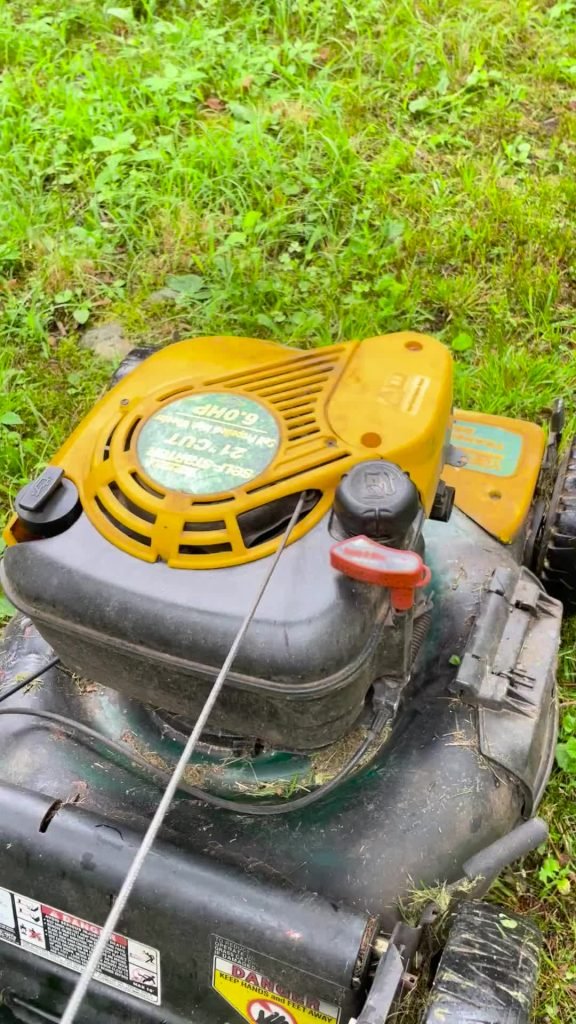
Is your mower engine making noise and leaving you wondering what’s wrong? That strange sound coming from your mower can be more than just annoying—it might be a sign of a problem that needs your attention.
You rely on your mower to keep your yard looking great, so ignoring unusual noises could lead to bigger, costlier issues. You’ll discover the common reasons behind those noises and learn how to fix them before they get worse. Keep reading to protect your mower and keep it running smoothly all season long.

Credit: www.youtube.com
Common Mower Engine Noises
Strange sounds from a mower engine often signal a problem. Common noises include knocking, squealing, or rattling, which may indicate loose parts or worn components. Listening carefully helps identify issues before they worsen.
Mower engines, like any other mechanical device, can occasionally start making noises that might leave you puzzled. Understanding these noises can help you diagnose potential issues before they become major problems. By identifying the specific type of noise your mower is making, you can take the appropriate steps to fix it, ensuring your lawn stays perfectly manicured without interruptions. Let’s explore some common mower engine noises that you might encounter.Knocking Sounds
Knocking sounds in a mower engine might indicate a problem with the engine’s internal components. Often, this noise is due to a loose or worn-out piston. If you’ve ever heard a repetitive knocking while mowing, it could be a sign that the piston is not moving smoothly within the cylinder. Addressing this quickly can prevent more serious damage.Squealing Or Whining
A squealing or whining noise often points to a problem with the belts or bearings. Imagine you’re mowing and suddenly you hear a high-pitched squeal. This could mean that a belt is slipping or a bearing is failing. Regular maintenance, like checking belt tension and lubricating bearings, can keep these noises at bay.Rattling Or Clanking
Rattling or clanking noises might be the result of loose bolts or components. Picture this: you’re cutting grass and hear a metallic rattle. This is often a sign that something is loose and needs tightening. Inspecting your mower periodically to ensure all parts are securely fastened can prevent this noise and potential damage.Hissing Or Sizzling
Hissing or sizzling sounds can be a sign of an overheating engine. If you hear a hiss after mowing for a while, it might mean that your engine is running too hot. This could be due to low oil levels or a clogged cooling system. Regularly checking oil levels and cleaning the cooling fins can help maintain optimal engine temperature. By paying attention to these noises and understanding their implications, you can ensure your mower remains in top condition. Have you ever experienced any of these noises with your mower? What steps did you take to address them?
Credit: www.reddit.com
Engine Issues Behind Noise
Engine noise from your mower often signals underlying problems. Small issues can cause loud sounds that affect performance. Understanding common engine problems helps fix noise quickly. Identifying these issues prevents bigger damage and costly repairs. Here are some common engine problems behind mower noise.
Loose Or Damaged Parts
Loose bolts or screws create rattling sounds during operation. Damaged parts like belts or blades cause unusual clanking noises. Vibrations increase when parts are not tight. Inspect bolts, nuts, and engine covers regularly. Replace or tighten any worn or broken parts immediately.
Worn Bearings Or Pulleys
Bearings and pulleys help the engine run smoothly. Worn bearings produce grinding or squealing noises. Pulleys may slip or wobble, causing irregular sounds. Lack of lubrication speeds up wear and tear. Regular maintenance extends the life of these components.
Dirty Or Clogged Air Filter
A dirty air filter restricts airflow to the engine. This causes the engine to work harder and make louder noises. Clogged filters can cause sputtering or backfiring sounds. Clean or replace the air filter often to maintain quiet operation and good performance.
Low Or Contaminated Oil
Oil lubricates engine parts to reduce friction and noise. Low oil levels cause knocking or tapping sounds. Contaminated oil loses its protective qualities, increasing engine wear. Check oil levels regularly and change oil according to the mower’s schedule. Clean oil keeps the engine running smoothly and quietly.
Fuel And Carburetor Problems
Fuel and carburetor problems often cause mower engines to make unusual noises. These issues affect how the engine burns fuel and runs smoothly. Trouble in these areas can lead to rough sounds or sputtering. Understanding fuel quality and carburetor health helps keep your mower quiet and efficient.
Fuel Quality And Contamination
Dirty or old fuel causes many engine noises. Fuel can gather water, dirt, or debris over time. Contaminated fuel clogs small engine parts and stops smooth fuel flow. Using fresh, clean fuel reduces noise and engine strain. Store fuel in sealed containers to avoid contamination.
Carburetor Blockages
The carburetor mixes air and fuel for the engine. Dirt or gum buildup blocks fuel passages inside. Blocked carburetors cause uneven engine sounds and poor performance. Cleaning the carburetor regularly removes blockages. Use carburetor cleaner spray for easy maintenance.
Improper Fuel Mixture
Engines need the right fuel-to-air ratio to run quietly. Too much fuel or too little air causes noisy, rough running. This imbalance can lead to popping or sputtering noises. Adjusting the carburetor settings fixes the fuel mixture. Proper tuning keeps the engine steady and quiet.
Blade And Deck Noise Causes
Blade and deck noise often signals a problem with your mower’s cutting system. This noise can come from different issues that affect how the blades and deck work together. Identifying the cause helps keep your mower running smoothly and quietly.
The mower’s blade spins fast under the deck. If something is off, it makes loud sounds. These sounds can mean bent blades, debris caught under the deck, or loose blade bolts. Each problem needs attention to avoid damage and unsafe mowing.
Bent Or Unbalanced Blades
Bent blades hit the grass unevenly. This causes vibrations and loud noise. Unbalanced blades shake the mower and wear out parts faster. Sharp blades cut better and keep the mower quiet. Check blades often for bends or damage. Replace or straighten bent blades to stop noise and improve cutting.
Debris In The Deck
Grass, sticks, and dirt can get stuck in the mower deck. This debris rubs against the blades and deck walls. It causes scraping or grinding sounds. Built-up debris also blocks airflow, making the engine work harder. Clean the deck regularly to remove debris. This keeps noise low and helps the mower run efficiently.
Loose Blade Bolts
Blade bolts hold the blades tightly to the mower. Loose bolts cause the blade to wobble. This wobbling creates loud, uneven noise. Loose blades can be dangerous and damage the mower. Check bolts often and tighten them with a wrench. Secure bolts keep the blade steady and noise-free.
Fixes For Mower Engine Noise
If your mower engine is making noise, it can signal various issues that need your attention. Identifying the right fix quickly can save you time and prevent costly repairs. Here are practical solutions you can try to silence that noisy engine and get your mower running smoothly again.
Tightening Loose Components
Loose parts often cause rattling or knocking noises in mower engines. Check bolts, nuts, and screws around the engine and blade area. Use a wrench or screwdriver to tighten any loose components you find.
Pay close attention to the blade mount and engine cover. A loose blade can create dangerous vibrations and loud sounds. Have you inspected these parts recently?
Replacing Worn Parts
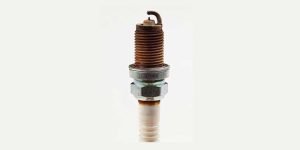
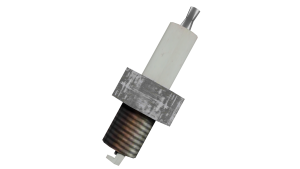
Worn-out parts like spark plugs, belts, or bearings can lead to unusual engine noises. If your mower sounds rough or uneven, these components might be the cause. Replacing old parts with new ones can restore smooth operation.
Keep spare spark plugs and belts handy for quick swaps. It’s a small investment that prevents bigger problems later. Which parts have you replaced on your mower so far?
Cleaning Or Changing Filters
Dirty or clogged air and fuel filters restrict engine airflow and fuel flow, causing the engine to struggle and make noise. Remove the filters and clean them with compressed air or replace them entirely if they’re too dirty. This simple step improves engine breathing and reduces noise.
Regular filter maintenance can extend your mower’s life. How long has it been since you last checked your filters?
Changing Engine Oil
Old or low oil levels lead to increased friction inside the engine, producing knocking or grinding noises. Drain the old oil and refill with the manufacturer’s recommended oil type. This keeps engine parts lubricated and quiet.
Check your oil regularly, especially after heavy use. Have you noticed any oil leaks or discoloration in your mower’s oil?
Fuel System Cleaning
Over time, fuel deposits and dirt can clog the fuel system, causing the engine to sputter and make noise. Use a fuel system cleaner or carefully clean the carburetor and fuel lines. This restores proper fuel flow and smooth engine performance.
If your mower has been sitting unused, stale fuel might be the culprit. When did you last clean your fuel system?

Credit: www.youtube.com
Preventive Maintenance Tips
Keeping your mower engine quiet and efficient starts with regular care. Noise often signals a problem that you can prevent with the right maintenance. Small habits can save you from costly repairs and keep your mower running smoothly season after season.
Regular Inspection Schedule
Set a routine to check your mower before and after each use. Look for loose bolts, damaged belts, and worn-out parts. Catching these early prevents noises caused by vibrations or friction.
Don’t forget to clean the air filter and spark plug regularly. A clogged air filter chokes the engine, causing it to strain and make unusual sounds. Replacing these parts as recommended keeps your engine happy and quiet.
Proper Storage Practices
How you store your mower impacts its noise levels when you start it next time. Always drain the fuel or add a fuel stabilizer before storing it for months. Old fuel can gum up the engine, leading to rough running and strange noises.
Keep your mower in a dry, sheltered spot to avoid rust and corrosion. Moisture causes parts to seize or wear unevenly, which often results in rattling or grinding sounds. A clean storage area is a silent storage area.
Using Recommended Fuels And Oils
Using the right fuel and oil is more than a recommendation—it’s crucial for engine health. Check your mower’s manual for fuel type and oil grade. Using lower quality or incorrect fluids can cause knocking or whining noises.
Change the oil at intervals suggested by the manufacturer. Old or dirty oil loses its ability to lubricate, increasing friction and noise inside the engine. Think of your mower’s oil like blood—it needs to be fresh and clean to keep the engine parts moving smoothly.
Frequently Asked Questions
Why Is My Mower Engine Making Loud Noise?
Loud noise often means loose or damaged parts inside the engine. Check the muffler, blades, and belts for wear. Regular maintenance helps prevent these issues. Unusual sounds may also signal engine misfires or low oil levels. Address noise early to avoid costly repairs.
What Causes A Knocking Sound In Mower Engines?
Knocking usually results from worn engine bearings or piston problems. It can also indicate improper fuel mixture or low oil pressure. Ignoring knocking sounds risks serious engine damage. Have a professional inspect the engine promptly to diagnose and fix the issue.
How To Fix Grinding Noise In Mower Engine?
Grinding noise often comes from debris caught in the blades or worn gears. Clean the mower deck and inspect blade sharpness. Replace damaged gears or bearings if needed. Regular cleaning and lubrication prevent grinding sounds and improve mower performance.
Can Engine Noise Mean Mower Needs Oil Change?
Yes, engine noise can indicate low or dirty oil. Oil lubricates engine parts to reduce friction and noise. Change the oil regularly as per manufacturer’s guidelines. Using the correct oil type helps keep the engine quiet and efficient.
Conclusion
A noisy mower engine often signals a problem that needs quick attention. Regular checks help keep your mower running smoothly. Clean parts and fresh oil reduce engine noise and wear. Fixing small issues early saves time and money later. Pay attention to unusual sounds and act fast.
Your mower will last longer with simple care. Enjoy quiet, efficient mowing every time you use your machine.