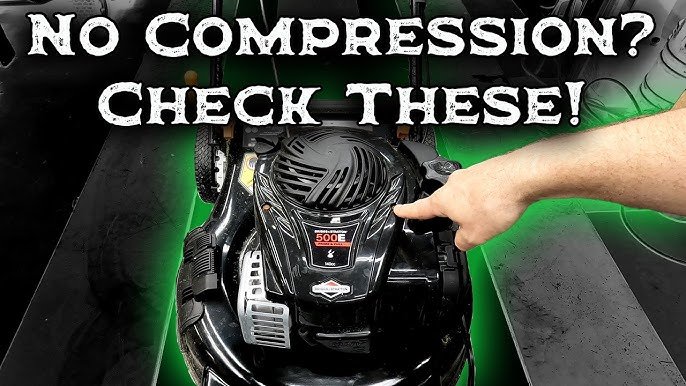
Is your mower struggling to start or running weakly? One common reason could be low compression in your mower engine.
When your engine doesn’t build enough pressure, it can’t work properly, leaving you frustrated and stuck with an uncut lawn. But why does this happen? Understanding the causes behind low compression will help you fix the problem faster and get your mower back to peak performance.
Keep reading, and you’ll discover the key reasons behind low compression and what you can do to bring your mower engine back to life.

Credit: www.reddit.com
Signs Of Low Compression
Low compression in a mower engine affects its performance and reliability. Recognizing the signs early helps prevent bigger problems. Watch for changes in how the mower starts, runs, and sounds. These clues point to compression issues that need attention.
Difficulty Starting
A mower with low compression often struggles to start. The engine may crank but fail to catch. It might take multiple pulls or long cranking to fire up. This happens because the engine lacks enough pressure to ignite the fuel properly.
Engine Stalling
The engine may stall shortly after starting or during use. This sudden stop is common with low compression. The mower cannot keep running due to poor combustion inside the cylinder. Stalling can happen at idle or under load.
Reduced Power Output
Low compression causes the mower to lose power. The engine runs weak and slow. It may struggle to cut thick grass or climb slopes. Reduced power means the mower works harder and less efficiently.
Unusual Engine Noises
Listen for strange sounds like knocking or rattling. These noises often signal low compression. They come from improper combustion or loose engine parts. Unusual sounds suggest internal damage that affects engine pressure.
Credit: carfromjapan.com
Common Causes Of Low Compression
Low compression in your mower engine can be frustrating and often signals underlying mechanical issues. Understanding the common causes helps you diagnose and fix the problem efficiently. Let’s break down the main reasons your mower might be losing compression.
Worn Piston Rings
Piston rings seal the gap between the piston and cylinder wall. Over time, these rings wear out or get damaged, allowing air and fuel mixture to leak during compression. This reduces the engine’s power and efficiency, making it harder for your mower to start or run smoothly.
If you notice excessive smoke from the exhaust or oil consumption, worn piston rings might be the culprit. Have you checked if your mower engine’s compression drops gradually after use? That’s a classic sign of ring wear.
Damaged Cylinder Walls
Scratches, grooves, or corrosion inside the cylinder walls can cause poor sealing with the piston rings. This damage lets the compressed air escape, lowering the engine’s compression levels. Such wear often results from dirt entering the engine or inadequate lubrication.
Think about the last time you serviced your mower. Did you notice any metal shavings or unusual noises? These could hint at cylinder wall damage needing immediate attention to avoid engine failure.
Leaking Valves
Valves control the intake and exhaust flow in the engine. If they don’t seal properly due to wear, burning, or bending, compression leaks occur. This can make the engine misfire or stall unexpectedly during operation.
Have you experienced rough idling or difficulty starting your mower? Checking valve condition might reveal leaks causing low compression. Valve adjustments or replacements often restore engine performance effectively.
Blown Head Gasket
The head gasket seals the engine block and cylinder head, maintaining compression and preventing coolant or oil leaks. A blown head gasket can cause compression loss by allowing air or fluids to escape from the combustion chamber. This issue can also lead to overheating and further engine damage.
Does your mower show signs of overheating or mixing oil with coolant? These symptoms suggest a blown head gasket. Addressing this problem quickly can save you from costly repairs and downtime.
How To Test Compression
Testing the compression of your mower engine helps you understand why it might be running poorly or struggling to start. Low compression often points to worn or damaged parts inside the engine. By checking compression, you can pinpoint issues before spending money on unnecessary repairs.
Required Tools
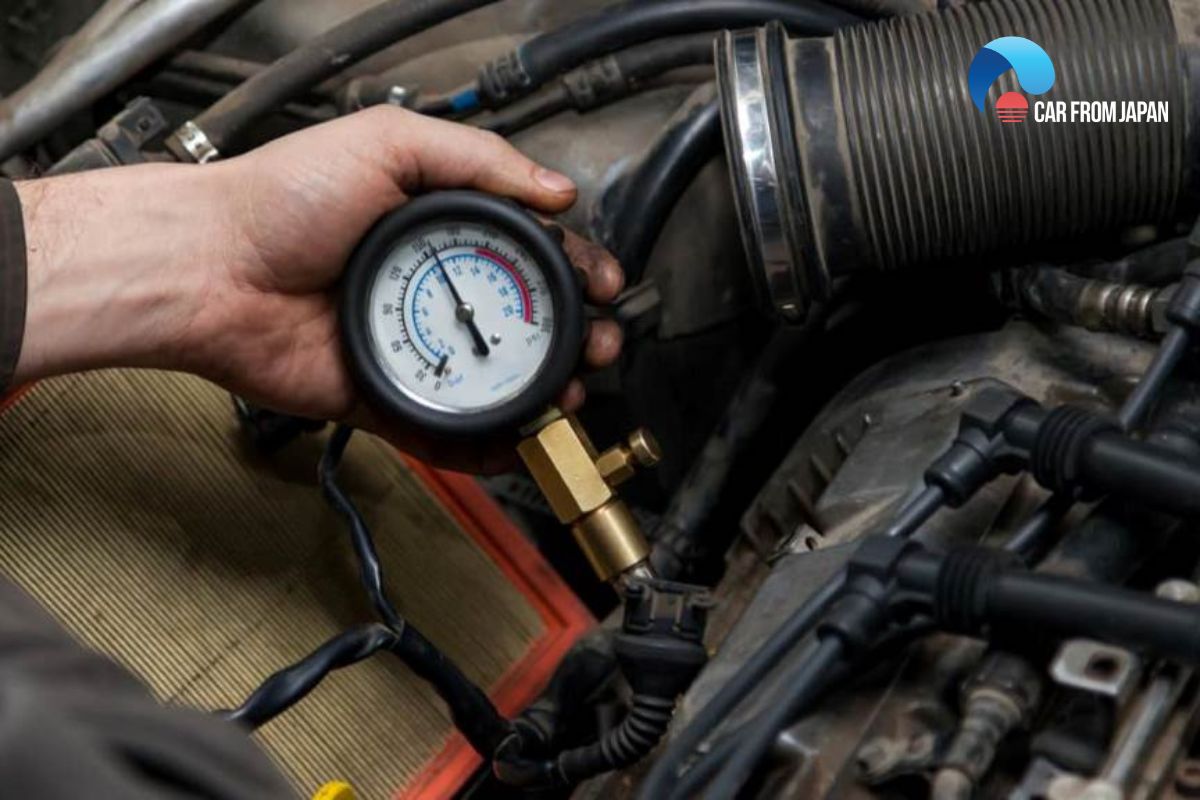
- Compression gauge:A tool designed to measure the pressure inside the engine cylinder.
- Socket wrench:To remove the spark plug.
- Spark plug socket:Specifically sized to fit your mower’s spark plug.
- Gloves:To protect your hands while working.
- Safety glasses:For eye protection during testing.
Step-by-step Testing Process
- Remove the spark plug using the socket wrench and spark plug socket.
- Insert the compression gauge into the spark plug hole, ensuring a tight fit to avoid air leaks.
- Hold the throttle fully open to allow maximum air flow during testing.
- Pull the starter cord several times to crank the engine and build pressure inside the cylinder.
- Read the highest number on the compression gauge and note it down.
- Repeat this process two or three times to confirm consistent readings.
- Remove the compression gauge and reinstall the spark plug securely.
Interpreting Compression Readings
Healthy mower engines typically show compression readings between 90 and 120 psi. If your readings fall below 80 psi, the engine likely has low compression issues.
Consistently low readings across tests might indicate worn piston rings, damaged valves, or a leaking head gasket. However, if one cylinder reads significantly lower than others, the problem may be isolated to that specific cylinder.
Ask yourself: Is the low compression consistent, or does it vary each time? This can tell you whether the problem is mechanical or related to testing technique. Knowing this helps you decide if you need to replace parts or just tighten connections.
Fixes For Low Compression Issues
Low compression in a mower engine reduces power and causes poor performance. Fixing this issue requires checking different parts of the engine. Several repairs can restore proper compression and make the mower run smoothly again.
Each fix targets a common cause of compression loss. Some repairs need special tools or skills. Others are simpler and can be done at home. Understanding these fixes helps you decide what is best for your mower.
Replacing Piston Rings
Piston rings seal the gap between the piston and cylinder wall. Worn or broken rings cause low compression. Replacing them improves the seal and restores engine power.
To replace piston rings:
- Remove the mower engine head and piston.
- Take off the old rings carefully.
- Install new rings of the correct size.
- Reassemble the piston and engine head.
This fix often solves compression problems due to wear or damage.
Valve Adjustment And Repair
Valves control air and fuel flow in the engine. If they are bent, burned, or misaligned, compression drops. Adjusting or repairing valves can restore proper sealing.
Check valve clearance using a feeler gauge. Tighten or loosen the valves as needed. Replace damaged valves or valve seats to ensure a tight seal.
This repair improves engine breathing and increases compression pressure.
Cylinder Reboring
The cylinder surface must be smooth and round for good compression. Over time, scoring or wear can damage the cylinder. Reboring smooths and enlarges the cylinder to fit new piston rings.
This process requires special equipment and professional help. It restores the cylinder’s shape and improves piston ring sealing.
After reboring, fit oversized piston rings designed for the new cylinder size.
Head Gasket Replacement
The head gasket seals the cylinder head to the engine block. A blown or damaged gasket causes compression loss. Replacing the gasket restores the seal and engine pressure.
Steps include removing the cylinder head, cleaning the surfaces, and installing a new gasket. Tighten bolts to the correct torque to prevent leaks.
This fix prevents air and fuel leaks between engine parts, improving compression.
Maintenance Tips To Prevent Low Compression
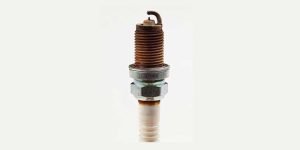
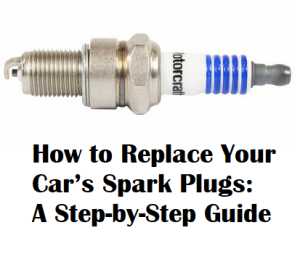
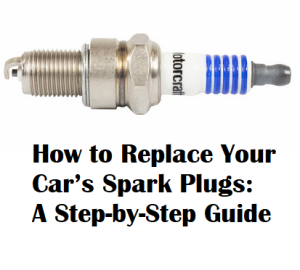
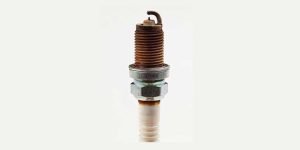
Regularly check and replace worn spark plugs to keep engine compression strong. Clean air filters prevent dirt from damaging engine parts. Use fresh oil and change it often to protect engine seals and maintain proper compression.
Low compression in your mower engine can be a real headache, leading to reduced performance and even preventing the engine from starting. But, it’s not all doom and gloom. Regular maintenance can keep your mower in peak condition and avoid those dreaded low compression issues. Below are some straightforward maintenance tips to help keep your mower engine running smoothly.Regular Oil Changes
Changing your mower’s oil regularly is crucial. Dirty oil can lead to engine wear and tear, affecting the compression over time. Make it a habit to change the oil every 50 hours of use or at least once every mowing season. Always use the oil type recommended by your mower’s manufacturer to ensure optimal performance.Proper Storage Practices
How you store your mower can have a big impact on engine health. Moisture and debris can cause damage, leading to low compression. Store your mower in a dry, sheltered area. If you’re storing it for winter, run the engine until it’s out of fuel to prevent gum deposits and ensure a clean start in spring.Routine Engine Inspections
Regular inspections can catch potential problems before they become serious. Keeping an eye on the engine’s health can save you money and time in the long run. Check for loose parts, unusual noises, or leaks. If you notice any issues, address them immediately. Sometimes, a simple adjustment can prevent a costly repair down the road. These maintenance tips are not just about keeping your mower running. They’re about ensuring each mowing session is trouble-free. Isn’t it worth the effort for a reliable start every time you pull that cord?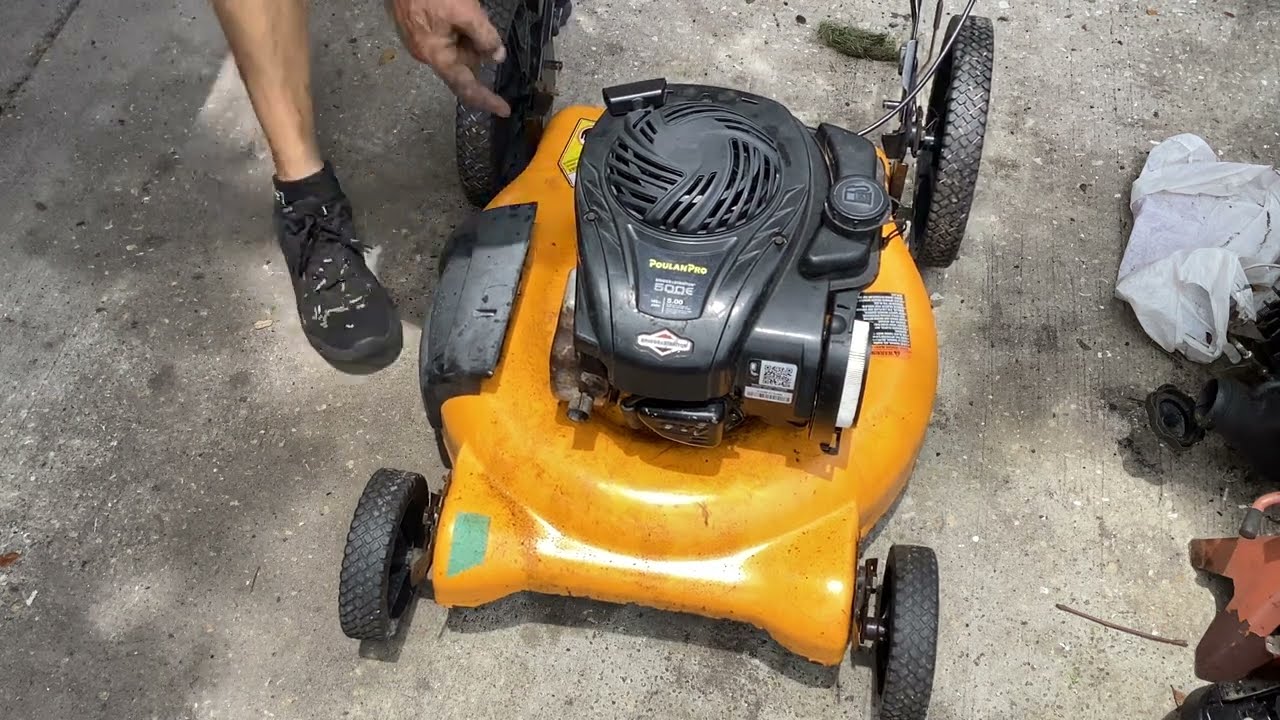
Credit: www.youtube.com
Frequently Asked Questions
What Causes Low Compression In A Mower Engine?
Low compression often results from worn piston rings, damaged valves, or a blown head gasket. These issues reduce the engine’s ability to maintain pressure during combustion, leading to poor performance and starting problems.
How Can I Test Mower Engine Compression?
Use a compression gauge on the spark plug hole while cranking the engine. Compare readings to manufacturer specifications. Low readings indicate possible leaks or mechanical wear needing repair.
Can Low Compression Damage My Mower Engine?
Yes, low compression can cause rough running, power loss, and increased fuel use. Ignoring it may lead to severe engine damage or complete failure.
Is Low Compression Repair Expensive For Mowers?
Repair costs vary by damage extent. Minor fixes like gasket replacement are affordable. Major repairs involving piston or valve work can be costlier but often extend engine life.
Conclusion
Low compression in your mower engine often signals worn parts or leaks. Check the piston rings, valves, and cylinder walls carefully. Fixing these can improve engine power and start-up ease. Regular maintenance helps avoid low compression issues. Keep your mower running smoothly and last longer with simple care.
Don’t ignore signs like weak power or rough running. Small problems now can turn into big repairs later. Stay alert and maintain your mower for best performance.