Is your mower engine leaking fuel, and you’re not sure why? A fuel leak isn’t just messy—it can be dangerous and affect how well your mower works.
You might wonder what’s causing the leak and how to fix it quickly. Understanding the common reasons behind fuel leaks can save you time, money, and frustration. Keep reading to discover the simple checks and solutions that can get your mower running smoothly again.
Don’t let a small leak turn into a big problem!

Credit: www.reddit.com
Common Fuel Leak Sources
Fuel leaks in mower engines often arise from common, easy-to-check parts. These parts wear out or get damaged over time. Identifying the source helps fix the leak quickly and safely. Understanding the typical fuel leak points keeps your mower running well.
Damaged Fuel Lines
Fuel lines carry gas from the tank to the engine. Cracks, holes, or loose connections cause leaks. Old fuel lines can become brittle and break. Check the lines for any visible damage or wet spots. Replace worn fuel lines to stop leaks and avoid fire hazards.
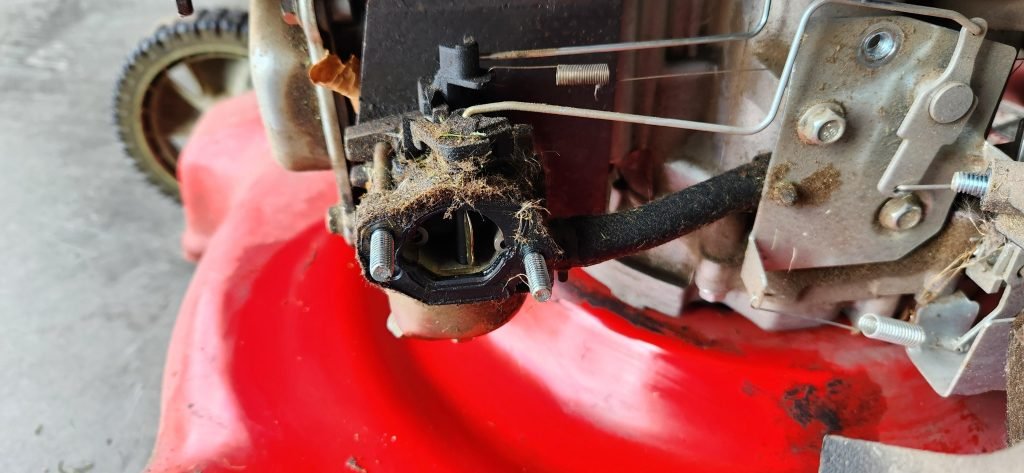
Faulty Carburetor
The carburetor mixes fuel and air for the engine. A broken or stuck carburetor float can cause fuel to overflow. Dirt and debris inside the carburetor may also lead to leaks. Regular cleaning and inspection prevent problems. Repair or replace the carburetor if leaks persist.
Worn Out Fuel Tank
Fuel tanks can develop cracks or holes over time. Exposure to sun and weather speeds up wear. Even small cracks cause fuel to drip or spill. Inspect the tank carefully for damage. Replace the fuel tank if leaks appear to avoid fuel loss and hazards.
Loose Or Broken Fuel Cap
The fuel cap seals the tank and keeps fuel inside. A loose or broken cap lets fuel escape. Check the cap for cracks, missing seals, or a poor fit. Tighten or replace the fuel cap to prevent leaks and keep dirt out of the tank.

Credit: www.reddit.com
Signs Of Fuel Leaks
Fuel leaks in your mower engine can cause safety hazards and damage. Spotting early signs helps prevent bigger problems. Watch for clear signs that indicate fuel is leaking.
Smell Of Gasoline
A strong gasoline smell near the mower is a key sign. It means fuel is escaping somewhere. The odor can be sharp and easy to notice. Pay attention if the smell lasts after use.
Visible Fuel Drips
Check under the mower for wet spots or puddles. Small drops of fuel can gather on the ground. Look around the engine and fuel lines for wet marks. Fuel stains on the mower body also signal leaks.
Engine Performance Issues
A leaking fuel system can affect how the engine runs. The engine might stall or run roughly. Poor fuel flow causes less power and uneven speed. Watch for hard starts or sudden stops during use.
Simple Fixes For Fuel Leaks
Fuel leaks in your mower engine can be frustrating and even dangerous if not addressed quickly. Luckily, many common fuel leaks have straightforward fixes that you can handle yourself. Understanding these simple repairs can save you time, money, and keep your mower running smoothly.
Replacing Fuel Lines
Fuel lines often crack or become brittle over time, causing leaks. Inspect the lines for visible signs of wear or damage. Swapping out old fuel lines with new ones is usually a quick fix that stops leaks immediately.
Make sure you choose fuel lines that match your mower’s specifications. Secure the connections tightly to prevent any fuel from seeping out.
Cleaning Or Rebuilding Carburetor
A clogged or malfunctioning carburetor can cause fuel to overflow and leak. Removing the carburetor and cleaning it thoroughly with carburetor cleaner often solves the problem.
If cleaning doesn’t work, rebuilding the carburetor with a repair kit can restore its function. Have you checked your carburetor recently? It might be the hidden cause of your fuel leak.
Sealing Or Replacing Fuel Tank
Cracks or holes in the fuel tank lead to leaks that are hard to miss. Small cracks can sometimes be sealed using fuel-resistant epoxy or sealant.
If the damage is extensive, replacing the fuel tank is a safer and more reliable option. Don’t ignore even minor damage; fuel leaks can worsen quickly.
Tightening Or Replacing Fuel Cap
A loose or damaged fuel cap might seem minor but can cause fuel to leak or evaporate. Check if your fuel cap fits tightly and replace it if the seal is worn out.
Sometimes, simply tightening the cap solves the leak issue, but if you notice cracks or damage, swapping it for a new one is best. Have you ever overlooked the fuel cap during a leak inspection?
Preventing Future Leaks
Regularly check fuel lines and seals for cracks or damage to prevent leaks. Replace worn parts promptly and keep the mower clean to avoid dirt buildup that can cause leaks. Proper storage and using fresh fuel also help maintain the engine’s condition.
Preventing fuel leaks in your mower engine is essential to ensure its longevity and efficiency. A small leak today can lead to bigger problems tomorrow, including potential hazards and costly repairs. By taking proactive measures, you can maintain your mower in top condition and avoid those unexpected leaks.Regular Maintenance Tips
Regular maintenance is key to preventing fuel leaks. Start by checking the fuel lines and connections for any signs of wear or damage. Replace cracked or brittle hoses immediately. Make it a habit to clean the carburetor regularly. A clean carburetor ensures fuel flows smoothly without blockages. Additionally, inspect the fuel filter and replace it if it appears clogged or worn out.Proper Storage Practices
How you store your mower plays a crucial role in preventing fuel leaks. Always store your mower in a dry, sheltered place. Moisture can cause rust, which might lead to leaks. Drain the fuel tank if you plan to store the mower for an extended period. Stale fuel can corrode parts of the engine. Use a fuel stabilizer if you can’t drain the tank, which helps in maintaining the fuel’s quality.Using Quality Fuel And Parts
Using high-quality fuel and parts can make a significant difference. Opt for fresh gasoline, ideally ethanol-free, to reduce the chance of corrosive damage. Invest in genuine parts for replacements, as they are specifically designed for your mower’s model. This ensures a perfect fit and reduces the likelihood of leaks. Have you noticed a difference when using premium products? It might be the key to a leak-free mower.When To Seek Professional Help
Knowing when to seek professional help for a mower engine leaking fuel can save you time, money, and potential hazards. Some issues are easy to fix on your own, but others require expert attention to avoid worsening the problem or risking safety. Recognizing the signs that your mower needs more than a quick DIY repair is crucial.
Persistent Leaks After Fixes
If you’ve tried tightening connections, replacing gaskets, or cleaning fuel lines, but the fuel leak keeps coming back, it’s time to get professional help. Persistent leaks often point to hidden problems like cracked fuel tanks or damaged seals that aren’t obvious at first glance. Ignoring these can cause fuel waste and damage to other parts of your mower.
Complex Engine Issues
Fuel leaks sometimes stem from deeper engine problems such as carburetor damage or faulty fuel pumps. These components require special tools and knowledge to diagnose and repair properly. Attempting repairs without expertise can lead to costly mistakes or incomplete fixes that disrupt your mower’s performance.
Safety Concerns
Fuel leaks pose serious safety risks including fire hazards and harmful fumes. If you notice strong fuel odors, fuel pooling under the mower, or sudden engine stalls, don’t hesitate to stop using the mower immediately. Professionals can safely handle fuel system repairs and ensure your mower runs without endangering you or your property.

Credit: www.reddit.com
Frequently Asked Questions
Why Is My Mower Engine Leaking Fuel Suddenly?
Fuel leaks often occur due to damaged fuel lines or a faulty carburetor. Check for cracks or loose connections. Replace worn parts promptly to prevent leaks and ensure safe mower operation.
How Do I Fix A Leaking Mower Fuel Tank?
First, locate the leak by inspecting the tank closely. Small cracks can be sealed with fuel-resistant epoxy. For major damage, replace the fuel tank entirely to avoid safety hazards and improve mower performance.
Can A Clogged Fuel Filter Cause Fuel Leaks?
Yes, a clogged fuel filter can increase pressure, causing leaks in fuel lines or connections. Regularly clean or replace the fuel filter to maintain proper fuel flow and prevent leaks.
Is Stale Fuel Responsible For Mower Fuel Leaks?
Stale fuel can degrade rubber components and seals, leading to leaks. Always use fresh fuel and add a fuel stabilizer if storing the mower for long periods.
Conclusion
Fuel leaks in mower engines can cause safety and performance issues. Check the fuel lines, carburetor, and tank for cracks or damage. Tighten loose connections and replace worn parts quickly. Regular maintenance helps prevent leaks and keeps your mower running well.
Stay alert to signs of leaks to avoid bigger problems. Taking simple steps ensures safer mowing and longer engine life. Keep your mower fuel system clean and secure for best results.





