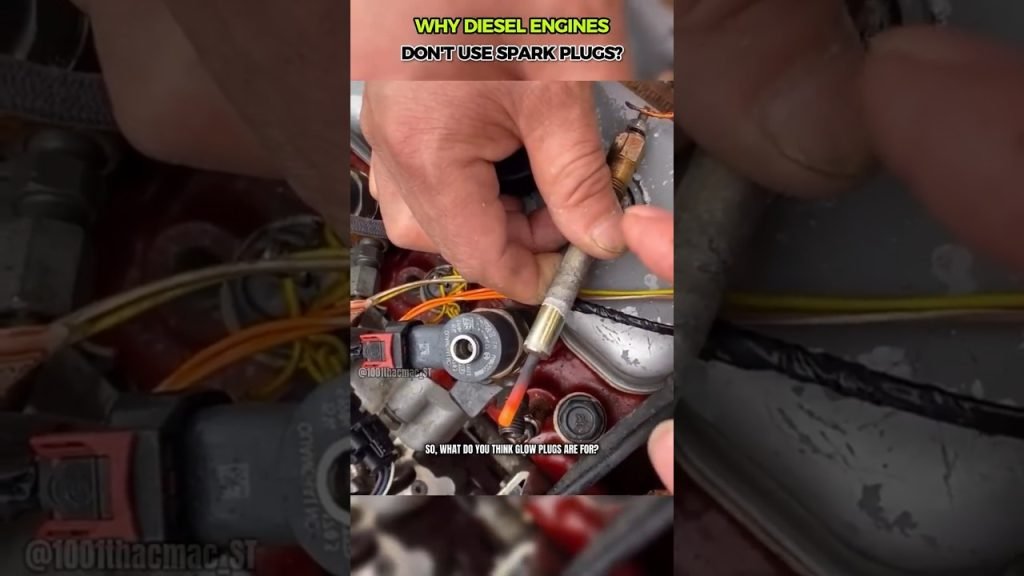
Have you ever wondered why diesel engines don’t use spark plugs like their gasoline counterparts? You’re not alone.
This question sparks curiosity in the minds of many vehicle enthusiasts and everyday drivers alike. Understanding the reason behind this difference can be both enlightening and practical, especially if you own a diesel vehicle or are considering one for your next purchase.
By exploring the unique mechanics of diesel engines, you can gain insight into their efficiency, performance, and reliability. Stay with us as we delve into the fascinating world of diesel technology, unraveling the mystery behind their ignition process and uncovering why spark plugs just don’t fit into the diesel equation. You won’t want to miss these intriguing details that could change the way you think about your vehicle’s engine!
How Diesel Engines Work
Understanding how diesel engines work is key to realizing why they don’t need spark plugs. Unlike gasoline engines that rely on a spark to ignite the fuel-air mixture, diesel engines use a different approach. This difference lies in their unique combustion process and fuel delivery system.
Compression Ignition Process
Diesel engines compress air inside the cylinder to a very high pressure. This compression raises the air temperature dramatically—sometimes over 500°C (932°F).
When you inject diesel fuel into this hot, compressed air, it ignites on its own. This process is called compression ignition, and it eliminates the need for spark plugs.
Think about it: the engine creates the perfect environment for fuel to catch fire without an external spark. This is why diesels can run efficiently under heavy loads and harsh conditions.
Fuel Injection System
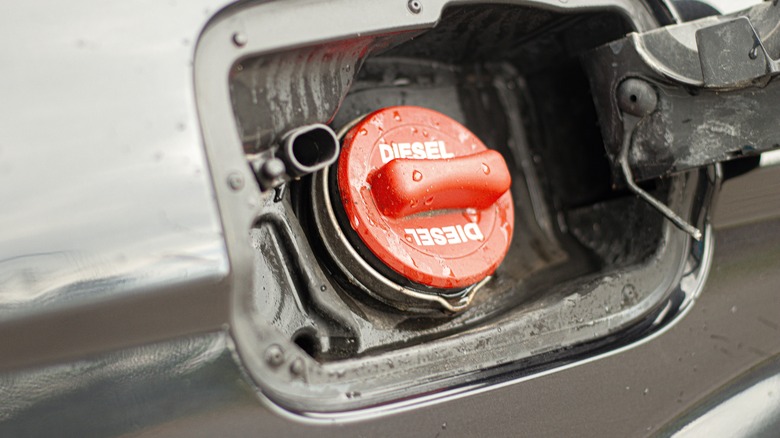
The fuel injection system in a diesel engine is precise and powerful. Instead of mixing fuel with air before entering the cylinder, diesel injectors spray fuel directly into the combustion chamber.
This direct injection allows the fuel to meet the hot compressed air instantly, triggering combustion. The timing and amount of fuel injected are carefully controlled to optimize power and reduce emissions.
Have you ever noticed how diesel engines sound different? That sharp, distinct noise comes from the rapid fuel injection and immediate ignition, a feature of this unique system.
Credit: www.jalopnik.com
Role Of Spark Plugs In Gasoline Engines
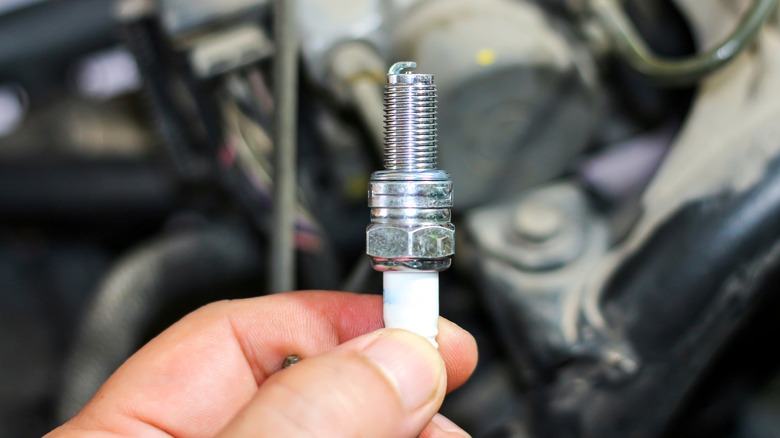
Spark plugs play a crucial role in gasoline engines. They create the spark needed to ignite the air-fuel mixture inside the engine’s cylinders. Without this spark, the engine cannot start or run efficiently.
Spark plugs must work precisely and at the right time. This ensures the engine produces power smoothly and uses fuel well. The spark plug’s function is unique to gasoline engines, which rely on this ignition method.
Creating The Spark
Spark plugs generate a small electric spark. This spark jumps across a gap at the plug’s tip. It ignites the compressed air and fuel mixture inside the cylinder.
The spark must be strong enough to ignite the mixture quickly. It happens in a fraction of a second. This quick ignition helps the engine run smoothly and efficiently.
Ignition Timing
The spark plug fires at a very specific moment during the engine cycle. This moment is called the ignition timing. It is critical for engine performance and fuel efficiency.
Proper ignition timing ensures the fuel burns completely. This results in more power and less pollution. If the spark fires too early or too late, the engine may run rough or lose power.
Why Diesels Don’t Use Spark Plugs
Diesel engines operate differently from gasoline engines. They do not require spark plugs to ignite the fuel. Understanding this difference helps explain why spark plugs are unnecessary in diesel engines.
High Compression Ratios
Diesel engines use very high compression ratios. This means they squeeze the air inside the cylinder much more than gasoline engines do. The high pressure raises the air temperature to a point where fuel ignites on contact. No external spark is needed to start combustion.
Self-ignition Of Fuel
Diesel fuel ignites on its own when injected into hot compressed air. This process is called auto-ignition. The fuel sprays directly into the cylinder after air compression. The heat from compression causes the fuel to burn instantly. This eliminates the need for spark plugs entirely.
Credit: www.jalopnik.com
Alternative Components In Diesel Engines
Diesel engines use different parts than gasoline engines. They do not have spark plugs because they work on a different principle. Instead, they rely on other components to start and run efficiently. These parts help with ignition and engine performance, especially in cold weather.
Glow Plugs Purpose
Glow plugs help heat the air inside the engine cylinder. This heating makes it easier for the diesel fuel to ignite. They are made of metal that gets very hot quickly. Glow plugs work only at the start of the engine. Once the engine is warm, they turn off.
Cold Start Assistance
Cold weather makes diesel engines hard to start. Glow plugs provide extra heat during cold starts. This heat raises the temperature inside the cylinder. It helps the fuel burn more easily. Without glow plugs, the engine might not start or run smoothly in cold conditions.
Advantages Of Diesel Ignition Method
The diesel ignition method offers several clear advantages that impact how diesel engines perform and endure over time. Unlike gasoline engines that rely on spark plugs, diesel engines ignite fuel through compression alone. This difference shapes key benefits that you might find particularly useful depending on your needs.
Fuel Efficiency
Diesel engines are known for their impressive fuel efficiency. Because they compress air to a much higher degree before fuel injection, the combustion process is more complete and powerful. This means you get more energy out of every drop of diesel compared to gasoline.
If you’ve ever driven a diesel vehicle, you might have noticed it goes longer between fill-ups. This efficiency isn’t just about saving money; it also means fewer emissions per mile, which is better for the environment. Have you considered how much you could save annually by switching to diesel?
Engine Durability
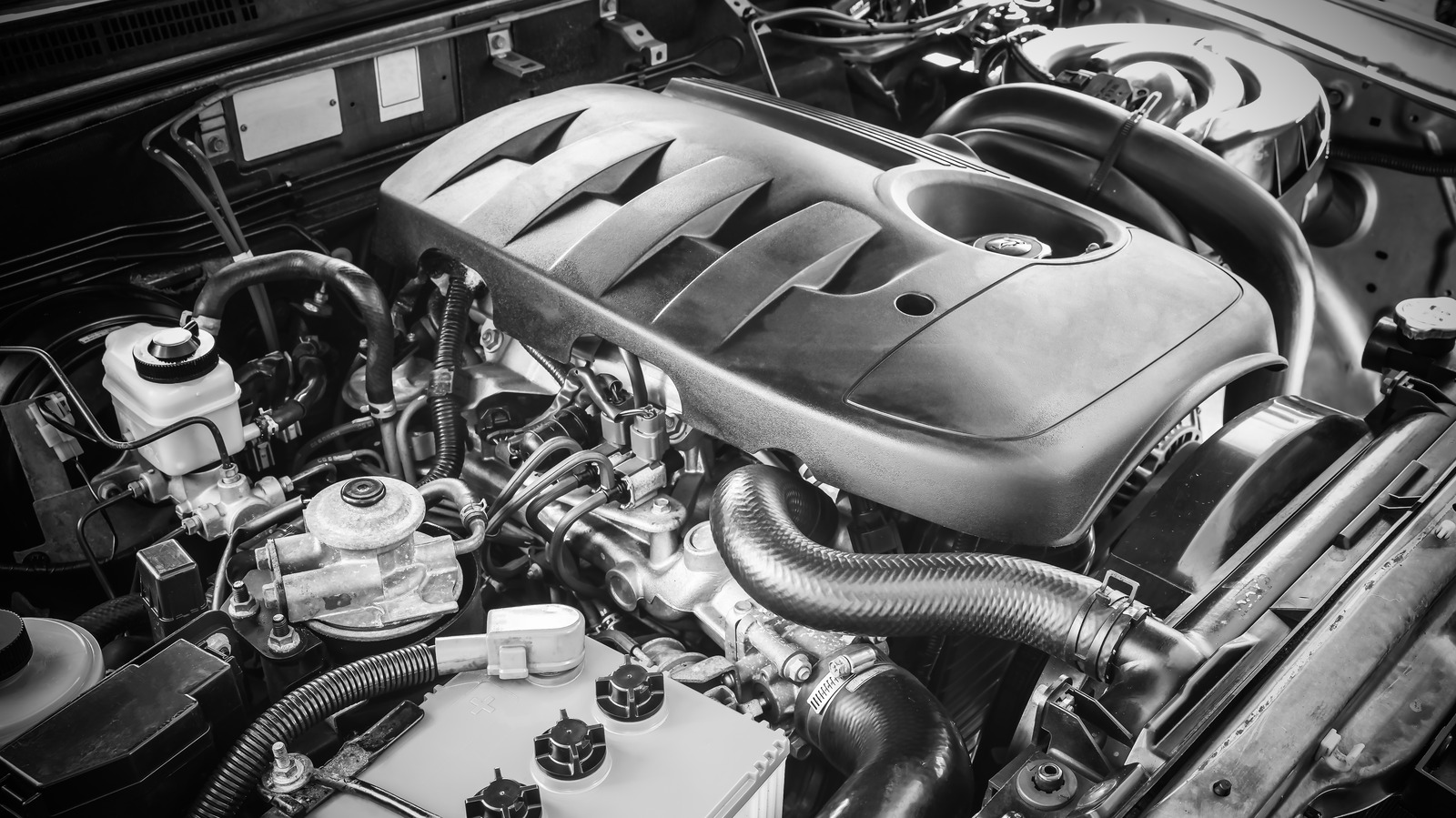
Diesel engines typically last longer than gasoline engines. The absence of spark plugs means fewer ignition components to wear out or fail. Plus, the robust construction needed to handle high compression makes diesel engines tough and reliable.
Think about the last time you had to replace spark plugs or ignition coils in your car. Diesel engines avoid that hassle and cost. If you value long-term reliability and less frequent maintenance, the diesel ignition method has a clear edge.
Credit: www.jalopnik.com
Common Misconceptions About Diesel Engines
Diesel engines often carry a reputation that isn’t entirely accurate. Many people believe certain things about them without fully understanding how they work. Clearing up these misconceptions can help you appreciate the design and function of diesel engines, especially why they don’t use spark plugs.
Diesels Are Hard To Start
Many assume diesel engines are difficult to start, especially in cold weather. While older models did struggle, modern diesels come equipped with glow plugs and advanced fuel systems that make starting almost as easy as gasoline engines.
Think about the last time you saw a diesel car start smoothly on a chilly morning. That’s thanks to technology improving over the years. If you’ve ever tried to start a diesel vehicle and it took a few extra seconds, it might have been due to low battery power or lack of maintenance, not the engine type itself.
Diesels Produce More Pollution
Another common belief is that diesel engines pollute more than gasoline engines. While diesels do emit nitrogen oxides (NOx) and particulates, they produce less carbon dioxide (CO2) per mile because of higher fuel efficiency.
Modern diesel engines use filters and selective catalytic reduction (SCR) systems to cut down harmful emissions significantly. You might be surprised to learn that many new diesel vehicles meet or even exceed strict environmental standards.
Have you ever wondered why some trucks and buses still prefer diesel? It’s not just about power but also about balancing fuel efficiency with cleaner emissions through smart engineering.
Frequently Asked Questions
Why Don’t Diesel Engines Use Spark Plugs?
Diesel engines rely on compression to ignite fuel, not spark plugs. High pressure heats air, causing fuel to combust naturally. This process is called compression ignition, making spark plugs unnecessary.
How Do Diesel Engines Ignite Fuel Without Spark Plugs?
Diesel engines compress air to very high temperatures. When fuel is injected, it ignites instantly due to heat. This method differs from gasoline engines that need spark plugs for ignition.
Can Diesel Engines Work With Spark Plugs?
No, diesel engines are designed for compression ignition only. Adding spark plugs would disrupt engine timing and combustion. This would reduce efficiency and harm engine performance.
What Replaces Spark Plugs In Diesel Engines?
Diesel engines use glow plugs, not spark plugs. Glow plugs preheat the combustion chamber for easier starting in cold conditions. They are crucial for cold starts but not for regular ignition.
Conclusion
Diesel engines work differently from gasoline engines. They do not need spark plugs to start. Instead, they use high pressure to ignite the fuel. This makes them more efficient and powerful for certain uses. Understanding this helps you see why spark plugs are not part of diesel engines.
Knowing these basics can make learning about cars easier and more interesting. Diesel engines are built for strength, not spark. Simple but smart design.





