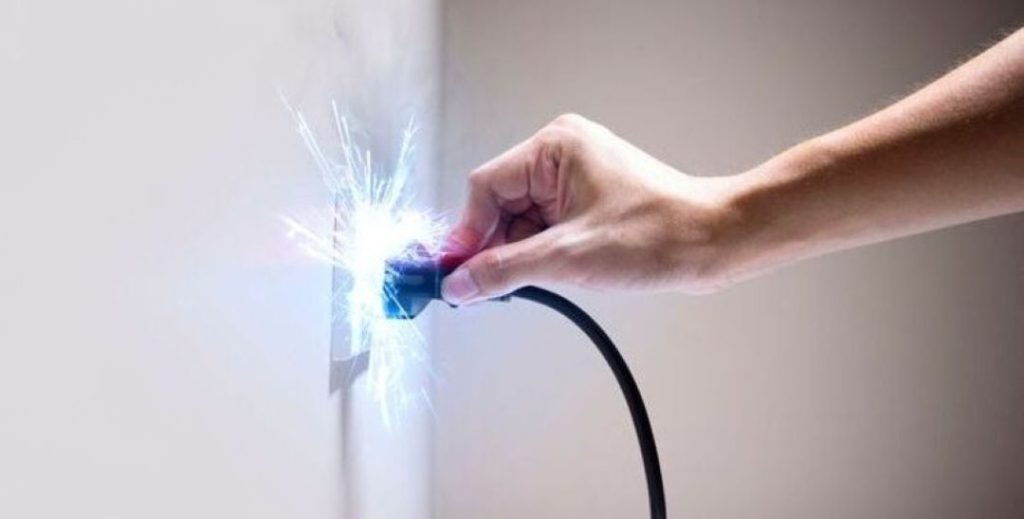
Have you ever noticed a tiny spark when you plug something into an outlet and wondered if it’s normal or a sign of a bigger issue? You’re not alone.
This common occurrence can be both puzzling and concerning. Ignoring it might seem easy, but understanding the cause is crucial for your safety and peace of mind. We’ll explore why this happens, what it means for your home’s electrical system, and when you should take action.
Stay with us to uncover the truth about those pesky sparks and gain the confidence to address them effectively.
Common Reasons For Outlet Sparks
Sparks from an outlet can be alarming and unsafe. They often signal electrical problems that need quick attention. Understanding common reasons for outlet sparks helps keep your home safe. Below are key causes to consider.
Loose Wiring
Loose wiring inside the outlet causes poor electrical connection. This creates small sparks when plugging in devices. Loose wires may result from wear, poor installation, or vibration. It increases fire risk and should be fixed immediately.
Damaged Outlet
Outlets can wear out or get damaged over time. Cracks, burns, or broken parts inside the outlet cause sparks. Damage may come from age, moisture, or physical impact. A damaged outlet often needs replacement to stop sparking.
Overloaded Circuit
Plugging too many devices into one outlet or circuit causes overload. Excess current makes sparks appear at the connection point. Overloading can damage wiring and increase fire risk. Spread devices across multiple outlets to avoid this problem.
Faulty Appliances
Sometimes sparks come from the device, not the outlet. Faulty or broken appliances with damaged plugs cause sparks. The problem may lie in frayed wires or internal faults. Testing appliances helps identify if they trigger outlet sparks.

Credit: crowe-electric.com
How Electrical Sparks Occur
Electrical sparks from an outlet can be alarming, but understanding how they occur helps you identify if it’s a simple issue or a serious hazard. Sparks happen due to interruptions or irregularities in the flow of electricity when you plug in a device. Let’s break down the main reasons behind these sparks so you know what to watch out for and how to stay safe.
Arc Formation
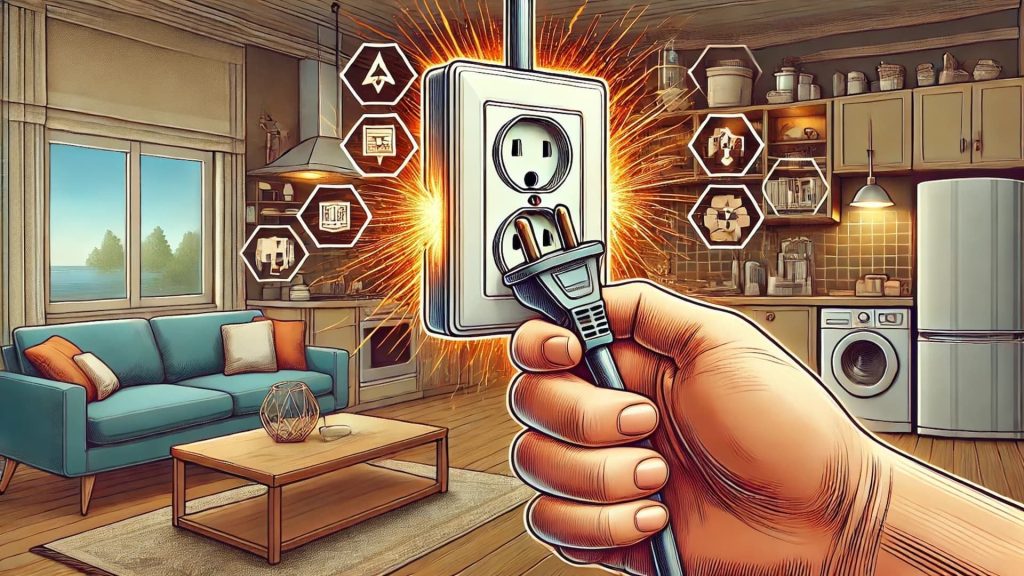
An electrical arc forms when electricity jumps through the air between two conductors. This happens if the connection isn’t solid, like when a plug doesn’t fully insert into the outlet or if the contacts inside are worn out. That tiny gap allows electricity to leap across, creating a visible spark.
Think about the last time you noticed a spark while plugging in a lamp. That quick flash is an arc forming because the metal prongs briefly didn’t make full contact. It’s usually harmless if it’s a one-time thing, but repeated arcing can damage your outlet and increase fire risk.
Voltage Fluctuations
Voltage fluctuations occur when the electrical supply varies unexpectedly. This can happen during high power demand in your home or due to issues from the utility company. Sudden surges or drops in voltage cause sparks as the outlet tries to adjust to the unstable flow.
Have you ever experienced flickering lights alongside outlet sparks? They are often connected. Voltage swings can stress your wiring and devices, so monitoring your electrical system is essential if you notice these symptoms regularly.
Contact Resistance
Contact resistance arises from poor connections within the outlet or plug. Dirt, corrosion, or loose wiring can increase resistance, causing heat build-up and sparks when electricity passes through. This is a common issue in older outlets or those exposed to moisture.
If you see sparks or smell a burning odor near an outlet, it could be due to contact resistance. Regularly inspecting and maintaining your outlets helps prevent this problem and keeps your home safe.
Risks Of Ignoring Outlet Sparks
Ignoring sparks from your outlet might seem harmless at first, but it can lead to serious problems. These sparks are signals that something is wrong with your electrical system. Paying attention now can save you from bigger issues later.
Fire Hazards
Sparks can ignite nearby flammable materials, causing fires that spread quickly. Electrical fires often start inside walls, making them hard to detect until it’s too late. Have you ever noticed a burning smell near an outlet? That could be a warning sign.
Don’t wait for visible flames to take action. Unaddressed sparks increase the risk of house fires, endangering your family and property. It’s better to fix the problem early than to deal with costly damage or injury.
Electrical Shocks
Sparks show that current is flowing where it shouldn’t. This increases the chance of getting an electrical shock when you touch the outlet or plugged-in devices. Even a small shock can be dangerous, especially for children or elderly people.
Have you ever felt a tingle or zap from an outlet? That’s a red flag. Ignoring these sparks puts you at risk of more severe shocks, which can cause burns, muscle spasms, or worse.
Damage To Devices
Sparks indicate unstable electricity that can harm your electronics. Sensitive devices like laptops, phones, and TVs can be damaged or shortened in lifespan. Think about how costly it is to replace these gadgets regularly.
Have you noticed your devices acting strangely after plugging them in? It might be due to faulty outlets. Protect your investments by addressing outlet sparks before they fry your valuable equipment.
Credit: maxelectric.us
Steps To Diagnose Outlet Problems
Experiencing sparks when you plug something into an outlet can be alarming. Before calling an electrician, you can take some basic steps to diagnose the problem yourself. Understanding what’s going on can save you time and help you communicate the issue more clearly to a professional if needed.
Visual Inspection
Start by closely examining the outlet. Look for signs of damage such as burn marks, cracks, or loose components. Sometimes, a simple visual check reveals obvious issues that need immediate attention.
Have you noticed any discoloration or melting around the outlet? These signs often mean the outlet is overheating, which is dangerous. Make sure the outlet cover is secure and not broken, as exposed wiring can cause sparks.
Testing With A Multimeter
If you have a multimeter, it’s a powerful tool to check for electrical problems safely. Set the device to measure voltage and carefully test the outlet’s terminals to ensure they are supplying the correct voltage.
This step can reveal issues like loose wiring or irregular voltage levels that cause sparking. If you’re unfamiliar with using a multimeter, plenty of online tutorials can guide you through the process step-by-step.
Checking Circuit Breakers
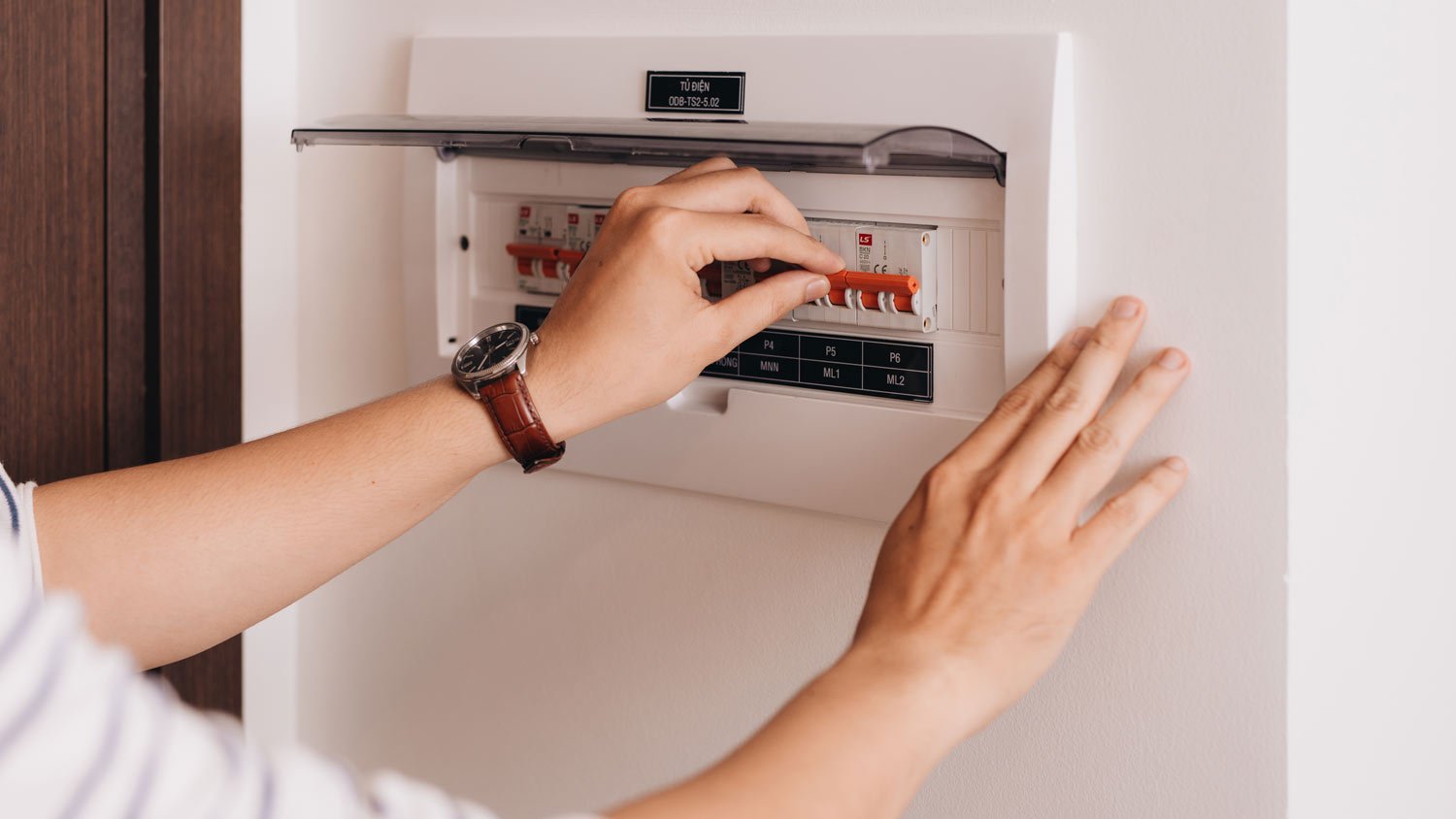
Sometimes, the problem isn’t the outlet itself but the circuit breaker controlling it. Locate your breaker panel and look for any tripped breakers or signs of wear. A breaker that trips frequently could indicate an overload or short circuit causing sparks.
Have you reset the breaker recently? If it trips again soon after resetting, this is a red flag that the outlet or wiring may have a serious fault. Pay attention to breakers that feel warm or have a burning smell—they need immediate inspection.
Preventing Outlet Sparks
Preventing sparks from outlets is crucial for safety. Sparks can cause electrical fires or damage devices. Taking simple steps helps keep your home safe and your electronics working well. Understanding the causes and solutions is key to avoiding these sparks.
Proper Wiring Practices
Correct wiring reduces the risk of sparks. Ensure wires are connected tightly and correctly. Loose or damaged wires create sparks and electrical shorts. Use a voltage tester to check outlets before use. Always turn off the power before fixing any wiring. Hire a licensed electrician for complex wiring jobs.
Using Quality Outlets
Cheap or worn-out outlets increase spark chances. Invest in outlets certified by safety standards. Quality outlets have better internal connections and materials. Replace old outlets that look cracked or burnt. Use outlets designed for your region’s electrical system. Regularly inspect outlets for signs of wear.
Avoiding Overloads
Overloading outlets causes sparks and overheating. Do not plug many devices into one outlet or power strip. Spread devices across different outlets and circuits. Check the wattage limits on your outlets and devices. Use surge protectors to manage power spikes. Unplug devices when not in use to reduce load.
When To Call An Electrician
Knowing when to call an electrician is important for your safety and home. Sparks from an outlet can be harmless or a sign of a serious problem. It is best not to ignore any unusual electrical behavior. Early action can prevent fires and damage.
Persistent Sparking
Sparking that happens every time you plug in a device is a warning sign. It shows there may be loose wiring or a faulty outlet. Continuous sparks increase the risk of electrical fires. Call an electrician to check and fix the issue quickly.
Frequent Circuit Trips
Circuit breakers trip to protect your home from electrical overloads. If your breaker trips often when using an outlet, it signals a problem. This could mean overloaded circuits or damaged wiring. An electrician can find the cause and keep your system safe.
Signs Of Electrical Damage
Look for burnt marks, melted plastic, or a burning smell near the outlet. These signs show serious electrical damage and potential fire risk. Do not use the outlet until an electrician inspects and repairs it. Safety must come first to avoid accidents.
Credit: www.angi.com
Frequently Asked Questions
Why Does My Outlet Spark When Plugging In?
Sparks occur due to sudden electrical contact or worn outlet parts. It’s normal briefly but frequent sparks indicate wiring issues or loose connections needing professional inspection.
Is Outlet Sparking Dangerous For Home Safety?
Yes, frequent sparks can cause electrical fires or damage devices. Immediate inspection and repair by a licensed electrician ensure safety and prevent hazards.
Can Old Outlets Cause Sparking When Used?
Old or damaged outlets often spark due to wear or corrosion. Replacing them with modern, secure outlets reduces sparking risks and improves electrical safety.
How To Stop Outlets From Sparking When Plugging In?
Turn off power and check connections for looseness or damage. Replace faulty outlets and avoid overloading circuits to prevent sparks and maintain safe electrical function.
Conclusion
Sparks from an outlet show there is a problem with the connection. This can be dangerous and should not be ignored. Check for loose wires or damaged plugs right away. Use a professional electrician if you are unsure or see frequent sparks.
Taking quick action keeps your home safe from fires and shocks. Always pay attention to your electrical outlets. Safety matters most with electricity around your home.





