
Have you ever wondered why your car’s engine might not be running as smoothly as it once did? Or why your vehicle’s fuel efficiency seems to be on a decline?
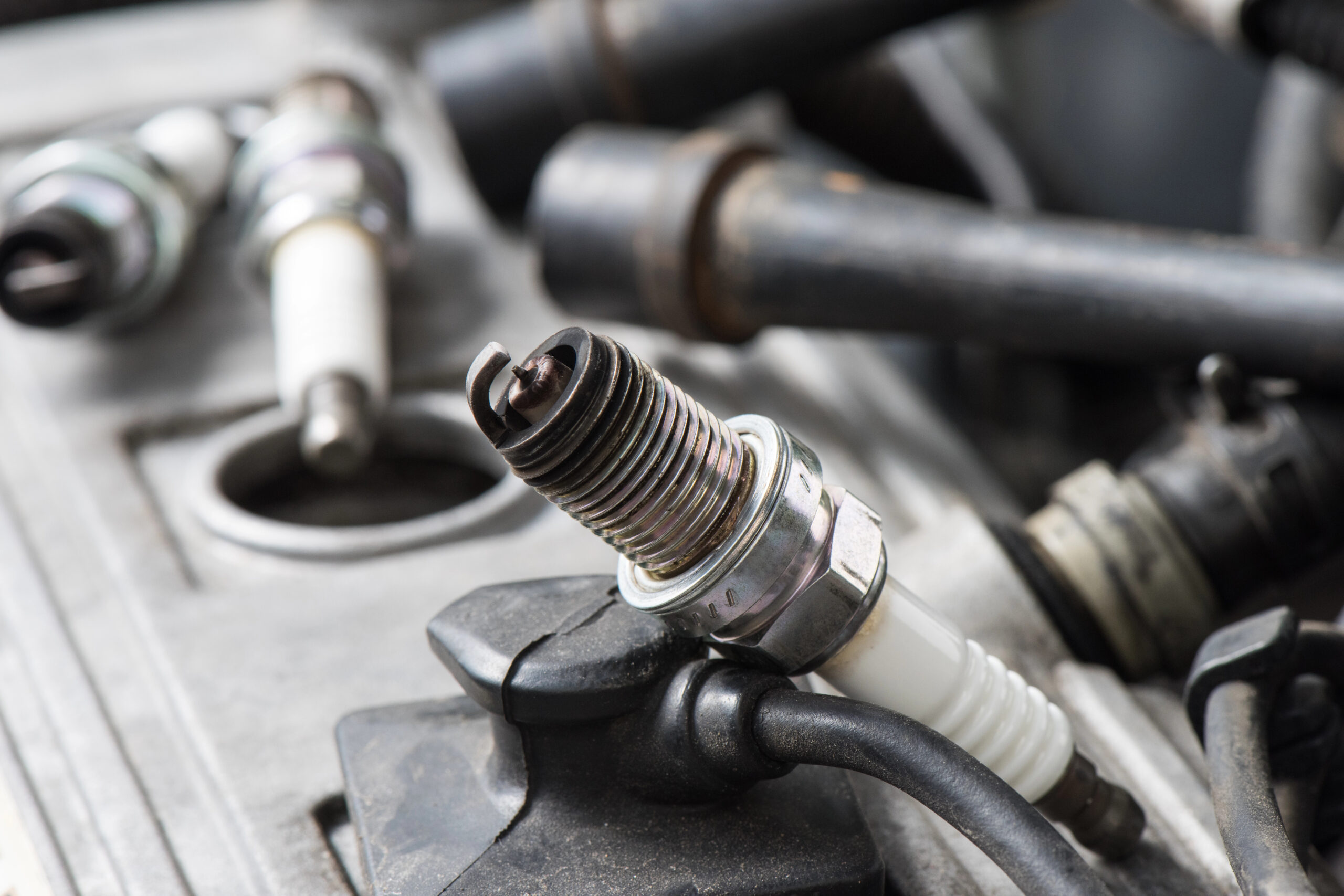
The answer might be simpler than you think: it could be time to change your spark plugs. Spark plugs are small but mighty components that play a crucial role in your engine’s performance. They ignite the air-fuel mixture in your engine, powering your car forward.
Over time, these little sparks can wear out, leading to a host of problems. By understanding the importance of changing your spark plugs, you can maintain your vehicle’s performance and save yourself from costly repairs down the road. Keep reading to discover how changing your spark plugs can transform your driving experience and keep your car running like new.
Credit: jerry.ai
Role Of Spark Plugs
The role of spark plugs in your vehicle is crucial but often overlooked. These small components are responsible for igniting the fuel-air mixture inside the engine’s cylinders. Without them, your engine simply won’t start or run efficiently.
How Spark Plugs Ignite Fuel
Spark plugs generate a tiny but powerful electrical spark. This spark ignites the compressed fuel-air mixture in the engine’s combustion chamber. The ignition creates the explosion needed to push the piston down, producing the power that moves your car.
Think about the last time your car hesitated to start or felt sluggish during acceleration. That delay or loss of power often links back to worn or dirty spark plugs failing to create a strong spark. Have you ever noticed how a clean spark plug can make your engine roar to life instantly?
Impact On Engine Efficiency
Efficient combustion means your engine burns fuel cleanly and completely. When spark plugs are old or fouled, they cause incomplete combustion. This leads to wasted fuel, reduced power, and increased emissions.
Replacing spark plugs can improve your fuel economy noticeably. You might find your car runs smoother and accelerates better after a simple spark plug change. Have you tracked how your mileage changes after replacing spark plugs? It’s a practical way to see their impact.

Credit: simonsautorepairtaunton.com
Signs Of Worn Spark Plugs
Worn spark plugs cause many engine problems. They affect how the engine runs and can lead to bigger issues. Knowing the signs helps you fix the problem early. This saves money and keeps your car running smoothly.
Engine Misfires And Rough Idling
Worn spark plugs fail to ignite the fuel properly. This causes the engine to misfire or run unevenly. You may feel the car shake or hear popping sounds. The engine may also idle roughly, making driving uncomfortable.
Reduced Fuel Economy
Old spark plugs burn fuel less efficiently. This means your car uses more gas than usual. You will notice more stops at the gas station. Replacing spark plugs improves fuel use and saves money.
Difficulty Starting The Engine
Bad spark plugs make it hard to start your car. The engine may crank longer or not start at all. This happens because the spark needed to ignite fuel is weak or missing. New spark plugs fix this problem quickly.
When To Replace Spark Plugs
Knowing when to replace your spark plugs can save you from unexpected breakdowns and improve your car’s efficiency. Spark plugs wear out over time and affect engine performance, so timing their replacement is crucial. Let’s look at how to determine the right moment to change them.
Manufacturer Recommendations
Every car manufacturer sets specific guidelines for spark plug replacement based on your vehicle’s design. Check your owner’s manual for the recommended intervals to avoid damage or poor performance. Following these official schedules ensures your engine runs smoothly and maintains fuel efficiency.
Mileage And Time Intervals
Generally, spark plugs need replacing between 30,000 and 100,000 miles, depending on the type. Even if you haven’t hit the mileage mark, time can degrade plugs—usually every 3 to 5 years is a safe rule. Ignoring age or mileage can lead to rough idling and harder starts.
Performance-based Replacement
Sometimes, you don’t need to wait for a schedule—your car will tell you when spark plugs need attention. Notice if your engine misfires, lacks power, or your fuel economy drops suddenly. These signs mean worn spark plugs are holding your car back and replacing them can restore your ride’s responsiveness.
Choosing The Right Spark Plugs
Choosing the right spark plugs is important for your car’s performance. The right spark plugs help your engine run smoothly and use fuel efficiently. They also last longer and reduce the chance of engine problems. Knowing the types, materials, and compatibility can save time and money.
Types Of Spark Plugs
Spark plugs come in several types, each with different features. Copper spark plugs are common and cost-effective but wear out faster. Platinum spark plugs last longer and work well in modern engines. Iridium spark plugs offer the best durability and performance. Choose the type based on your vehicle’s needs and driving style.
Materials And Durability
The material of the spark plug affects its lifespan and efficiency. Copper is a good conductor but wears down quickly. Platinum is stronger and lasts longer than copper. Iridium is the hardest and most durable material, often used in high-performance vehicles. Durable spark plugs reduce replacements and keep your engine stable.
Compatibility With Your Vehicle
Each vehicle requires specific spark plugs. Check your car’s manual for recommended spark plug types and sizes. Using the wrong spark plugs can cause poor engine performance or damage. Some vehicles need spark plugs with certain heat ranges to work correctly. Always pick spark plugs that fit your engine’s design and specifications.
Spark Plug Replacement Tips
Replacing your spark plugs might seem like a small task, but it can make a huge difference in how your engine performs. Getting it right ensures better fuel efficiency, smoother starts, and longer engine life. Here are some practical tips to help you replace your spark plugs confidently and correctly.
Tools Needed
- Spark plug socket:A deep socket designed specifically for spark plugs to avoid damage.
- Ratchet wrench:To turn the socket and remove or install plugs.
- Socket extension:Helps reach plugs in tight engine spaces.
- Gap gauge:Measures the spark plug gap to match your engine’s requirements.
- Torque wrench:Ensures you tighten plugs to the correct specification without overdoing it.
- Anti-seize compound (optional):Prevents plugs from sticking in the cylinder head.
- Dielectric grease:Protects the spark plug boot from moisture and corrosion.
Step-by-step Replacement Process
Start by carefully disconnecting the battery to avoid any electrical issues. Remove the spark plug wires or ignition coils gently to prevent damage.
Use the spark plug socket with an extension to loosen and remove each spark plug. Check the gap on the new plugs and adjust it if necessary using the gap gauge. Apply a small amount of anti-seize to the threads if recommended by your vehicle’s manual.
Thread the new spark plugs in by hand first to avoid cross-threading. Then, tighten them with a torque wrench to the specified torque. Reattach the spark plug wires or coils, applying dielectric grease inside the boot to keep moisture out.
Common Mistakes To Avoid
- Over-tightening:This can strip the threads or crack the spark plug, causing costly repairs.
- Skipping the gap check:Incorrect gaps lead to poor engine performance and misfires.
- Pulling wires forcefully:This can damage the ignition wires or coil boots.
- Not using the right tools:Using regular sockets can damage the plugs or make removal difficult.
- Ignoring your vehicle’s specifications:Using the wrong plug type or torque can harm your engine.
Have you ever tried changing spark plugs only to find your car runs worse? Often, it’s a small mistake like a wrong gap or overtightening. Paying attention to these tips saves you time and protects your engine.
Benefits Of Timely Spark Plug Change
Changing your spark plugs on time brings noticeable benefits that directly affect how your vehicle runs every day. It’s not just about routine maintenance; it’s about keeping your engine in top shape and saving money in the long run. Have you ever wondered why some cars feel sluggish or sip fuel faster? The answer often lies in worn-out spark plugs.
Improved Engine Performance
Fresh spark plugs provide a stronger, more consistent spark. This helps your engine ignite the fuel-air mixture more efficiently, resulting in smoother acceleration and better overall power. You’ll feel the difference when your car starts quickly and responds well to your commands.
Ignoring spark plug replacement can cause misfires and rough idling, making your drive less enjoyable. Think about a time your engine hesitated or struggled—timely spark plug changes can prevent those frustrating moments.
Enhanced Fuel Efficiency
Worn spark plugs lead to incomplete combustion, which wastes fuel. By replacing them on schedule, you ensure that every drop of gas is used effectively, stretching your tank further. This means fewer trips to the pump and more money saved.
Are you tracking your fuel costs? If they’ve been creeping up without obvious reasons, your spark plugs might be the hidden culprit. A simple change could improve your miles per gallon noticeably.
Reduced Emissions
Efficient combustion from fresh spark plugs cuts down harmful exhaust gases. This not only helps your car meet emission standards but also contributes to cleaner air around you. It’s a small step that makes a big environmental impact.
Regular spark plug maintenance can keep your vehicle’s emission system healthier, avoiding expensive repairs later. Have you checked your emissions recently? Keeping spark plugs in good condition can make passing those tests easier.

Credit: www.youtube.com
Frequently Asked Questions
Why Is Changing Spark Plugs Important?
Changing spark plugs ensures efficient engine performance and better fuel economy. Old plugs cause misfires and rough idling. Regular replacement prevents engine damage and maintains smooth acceleration. It also reduces emissions and extends the vehicle’s lifespan, saving costly repairs in the long run.
How Often Should Spark Plugs Be Replaced?
Typically, spark plugs should be replaced every 30,000 to 100,000 miles. The exact interval depends on the vehicle model and plug type. Consult your owner’s manual for specific recommendations. Regular checks help avoid unexpected engine problems and maintain optimal performance.
What Are Signs Of Worn Spark Plugs?
Worn spark plugs cause rough idling, engine misfires, and poor acceleration. You may notice decreased fuel efficiency and difficulty starting the engine. If your car stalls or the “check engine” light appears, inspect the spark plugs immediately to prevent further damage.
Can Bad Spark Plugs Affect Fuel Economy?
Yes, faulty spark plugs reduce fuel efficiency by causing incomplete combustion. This wastes fuel and increases emissions. Replacing spark plugs on time improves mileage and lowers your fuel costs. Well-functioning plugs help your engine run cleaner and more efficiently.
Conclusion
Changing spark plugs keeps your engine running smooth and strong. Dirty or old plugs cause poor fuel use and weak power. Regular change prevents engine trouble and saves money on repairs. It also helps your car start quickly and run clean.
Don’t wait for problems to appear. Keep your spark plugs fresh for better driving and longer engine life. Simple care makes a big difference.





