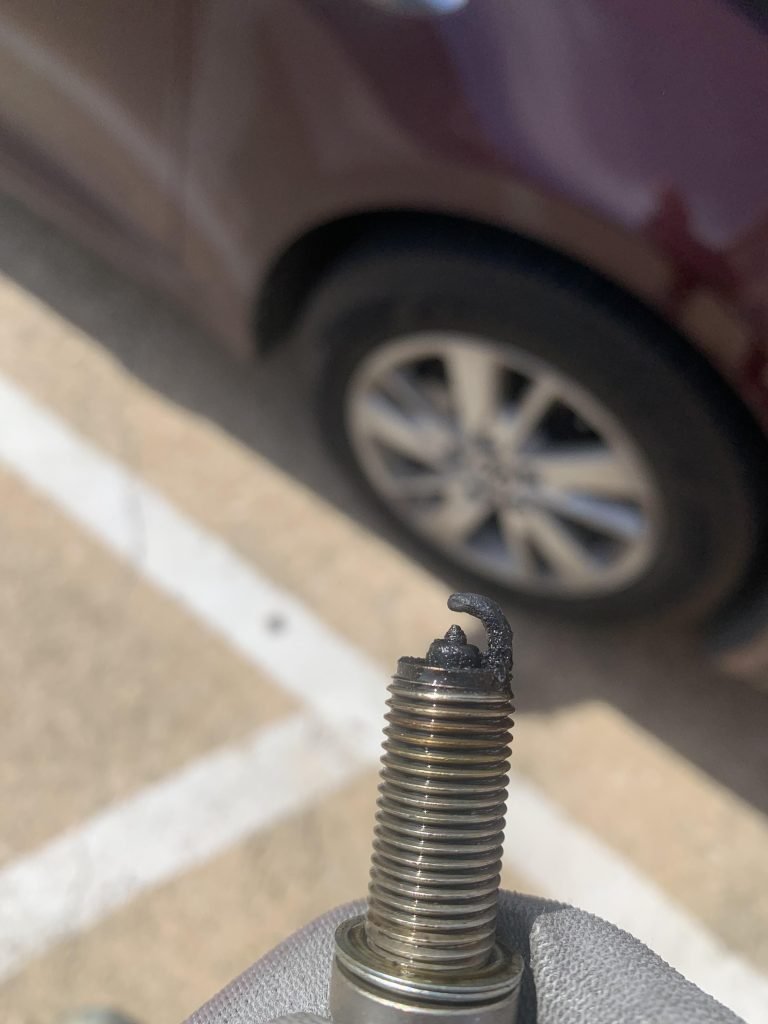
Are you frustrated with constantly having to replace your spark plugs? You’re not alone.
Many car owners face this issue, and it can be both puzzling and annoying. But understanding why your spark plugs keep going bad is the first step to solving the problem. Could it be something in your driving habits, or perhaps an issue lurking under the hood?
Whatever the reason, getting to the bottom of it can save you time, money, and a lot of headaches. We’ll explore the common reasons behind frequent spark plug failure and offer practical tips to keep your engine running smoothly. Stay with us, and let’s get your car back to its optimal performance.

Credit: craigscarcare.com
Common Spark Plug Problems
Understanding common spark plug problems can save you from frequent replacements and engine troubles. Spark plugs might seem simple, but they play a crucial role in your vehicle’s ignition system. When they fail repeatedly, it’s often a sign that something deeper is affecting their lifespan.
Signs Of Failing Spark Plugs
Have you noticed your car struggling to start or idling roughly? These are classic signals that your spark plugs might be on their way out. Other common signs include:
- Poor fuel economy
- Engine misfires or hesitation during acceleration
- Difficulty maintaining speed on hills
- Increased exhaust emissions
Ignoring these signs can lead to bigger engine issues. If your engine feels sluggish or you hear a knocking sound, check your spark plugs immediately.
Impact On Engine Performance
Worn or damaged spark plugs cause your engine to misfire, which means the fuel-air mixture isn’t burning efficiently. This reduces power and leads to wasted fuel. You might feel your car lacks the usual punch during acceleration or notice it idles unevenly.
Think about the last time your car hesitated just when you needed it most. That frustration often traces back to spark plug problems. Replacing them timely can restore smooth engine performance and save you money on fuel and repairs.
Frequent Causes Of Spark Plug Failure
Spark plugs play a vital role in engine performance. Their failure can lead to poor fuel economy, rough idling, and engine misfires. Understanding the frequent causes of spark plug failure helps in preventing these issues. Several factors can cause spark plugs to go bad quickly.
Incorrect Heat Range
Using spark plugs with the wrong heat range causes problems. Too hot plugs can overheat and wear out fast. Too cold plugs do not burn off deposits well. This leads to fouling and poor ignition. Always choose the correct heat range for your engine.
Poor Installation Techniques
Incorrect installation can damage spark plugs. Over-tightening can crack the porcelain insulator. Under-tightening may cause poor contact or loosening. Cross-threading the plug harms the cylinder head threads. Use proper tools and follow torque specifications.
Use Of Low-quality Plugs
Cheap spark plugs often have low-quality materials. They wear out faster and fail sooner. Poor manufacturing may cause inconsistent gaps or weak electrodes. Investing in trusted brands ensures better durability and engine performance.
Oil And Fuel Contamination
Oil leaks or rich fuel mixtures foul spark plugs. Oil coats the electrode, preventing sparks. Excess fuel leaves deposits that reduce spark efficiency. Contamination leads to misfires and plug failure. Fixing leaks and tuning the engine helps maintain clean plugs.
Engine Issues That Affect Spark Plugs
Engine problems can directly impact the health of your spark plugs. If your spark plugs keep failing, the root cause might lie deeper in your engine’s mechanics. Understanding these issues helps you pinpoint why replacements happen so often and how to fix the real problem instead of just treating the symptom.
Worn Piston Rings
Worn piston rings let oil seep into the combustion chamber. This oil contamination coats the spark plugs, causing them to foul quickly. You might notice black, oily deposits on your plugs, which reduce their ability to ignite the fuel-air mix properly.
Have you checked your oil levels and quality recently? Excessive oil consumption or blue smoke from the exhaust can hint at this issue. Fixing worn piston rings is crucial before replacing spark plugs repeatedly.
Faulty Ignition System
Your ignition system works closely with spark plugs. If components like ignition coils, wires, or the distributor fail, spark plugs may not fire correctly. This can lead to misfires, rough idling, and rapid spark plug wear.
Think about how your engine runs between spark plug changes. Are there any hesitations or unusual noises? Testing and replacing faulty ignition parts can save you the hassle of frequent spark plug swaps.
Overheating Engine Conditions
High engine temperatures can damage spark plugs quickly. Overheating causes the electrodes to wear out or melt, leading to weak sparks and poor engine performance. Signs include a white, blistered appearance on the spark plugs.
Has your engine been running hotter than usual? Check your cooling system, thermostat, and radiator. Keeping your engine cool protects spark plugs and improves overall efficiency.

Credit: www.reddit.com
Environmental And Driving Factors
Environmental and driving factors play a significant role in how long your spark plugs last. These elements influence how quickly the plugs wear out or get fouled, often leading to repeated replacements. Understanding these factors can help you adjust your driving habits and protect your engine’s performance.
Short Trips And Frequent Stops
Short trips prevent your engine from reaching its optimal operating temperature. When your engine runs cold, combustion isn’t complete, causing carbon deposits to build up on the spark plugs. This buildup can foul the plugs, leading to misfires and reduced fuel efficiency.
If you often drive just a few minutes at a time, your spark plugs face more stress. Have you noticed your check engine light flicker after a series of short errands? That could be a sign your spark plugs are struggling due to incomplete combustion.
Exposure To Extreme Weather
Both very hot and very cold weather can affect your spark plugs. In cold conditions, moisture can accumulate and cause corrosion on the plugs. This corrosion interferes with the spark needed for ignition, reducing engine performance.
On the other hand, extreme heat can cause the electrode to wear out faster. High temperatures increase the risk of pre-ignition and spark plug overheating, which shortens their lifespan. Have you checked if your spark plugs match your vehicle’s climate needs?
Driving Habits And Their Effects
Aggressive driving habits like rapid acceleration and heavy load towing put extra stress on spark plugs. These conditions require more energy for ignition, causing the plugs to wear out sooner. Conversely, smooth and steady driving helps extend spark plug life.
Another factor is how often you let your engine idle. Long idling periods can cause carbon buildup, fouling the plugs. Have you noticed your engine misfiring after sitting in traffic or waiting with the engine running?
Maintenance Tips To Prolong Spark Plug Life
Maintaining spark plugs properly helps your engine run smoothly. It also saves money on frequent replacements. Simple care steps can extend the life of your spark plugs. These tips keep your vehicle efficient and prevent engine problems.
Regular Inspection And Cleaning
Check your spark plugs often for dirt and wear. Clean off any carbon buildup with a soft brush. Avoid harsh tools that could damage the plug. Replace plugs if they show cracks or heavy deposits. Regular checks catch issues before they cause engine trouble.
Proper Installation Practices
Use the right tools to install spark plugs carefully. Tighten them to the correct torque to avoid damage. Avoid over-tightening, which can crack the plug or thread. Make sure the spark plug gap matches the manufacturer’s specs. Proper installation ensures good engine performance and longer plug life.
Choosing The Right Spark Plugs
Pick spark plugs designed for your vehicle model. Using the wrong type leads to faster wear and poor engine function. Consider plugs made from durable materials like iridium or platinum. These last longer and resist corrosion better than standard plugs. Always check your owner’s manual for recommended spark plugs.

Credit: www.starbikeforums.com
Frequently Asked Questions
Why Do Spark Plugs Fail Quickly?
Spark plugs fail quickly due to poor fuel quality, engine overheating, or incorrect gap settings. Regular maintenance and using recommended plugs help prevent premature failure and ensure optimal engine performance.
Can Engine Problems Cause Spark Plugs To Go Bad?
Yes, engine problems like misfires, oil leaks, and faulty ignition systems cause spark plugs to degrade faster. Addressing these issues promptly extends spark plug life and improves fuel efficiency.
How Often Should Spark Plugs Be Replaced?
Spark plugs typically need replacement every 30,000 to 100,000 miles, depending on type and vehicle. Consult your owner’s manual for specific intervals to maintain engine health and prevent spark plug damage.
Does Driving Style Affect Spark Plug Lifespan?
Aggressive driving, frequent short trips, and excessive idling can shorten spark plug life. Smooth acceleration and regular long drives help keep plugs cleaner and functioning longer.
Conclusion
Bad spark plugs cause poor engine performance and fuel waste. Dirt, oil, or wrong parts can damage them fast. Regular checks and using the right plugs help prevent trouble. Fixing related car issues stops plugs from going bad again. Clean plugs improve starting, power, and gas mileage.
Keep an eye on your spark plugs for smooth driving. Simple care saves time and money on repairs. Spark plugs matter more than many think. Don’t ignore them to keep your car running well.





