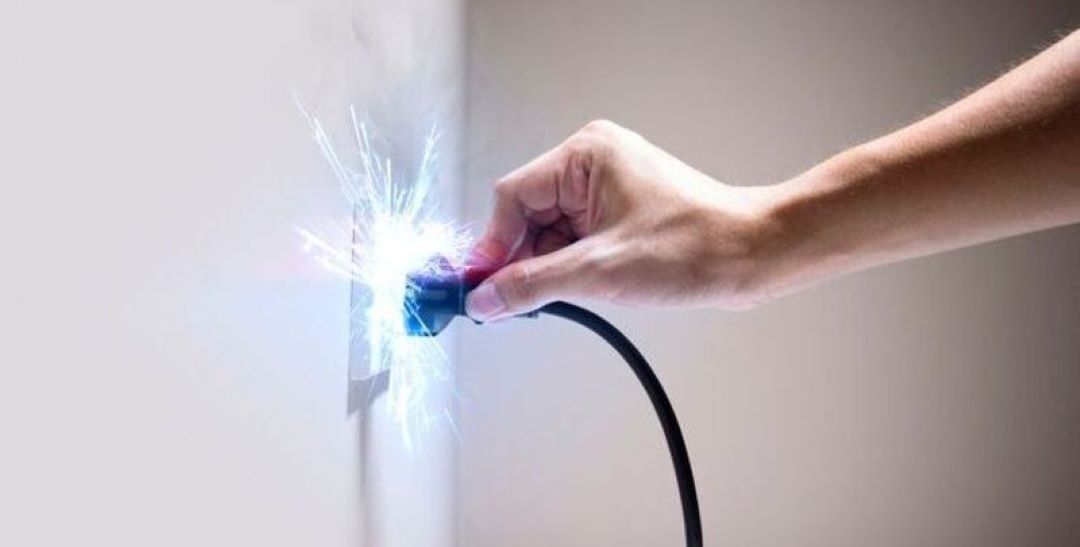
Have you ever plugged in your phone charger or a kitchen appliance and noticed a quick spark? It’s a moment that might make you pause, wondering if something’s wrong.
You’re not alone. Many people experience this and start to worry about safety and potential hazards. But what causes this spark, and is it something you should be concerned about? You’ll discover the reasons behind those unexpected sparks, learn when they might be harmless, and identify when it’s time to take action.
Stay with us to ensure your home remains safe and your mind at ease.

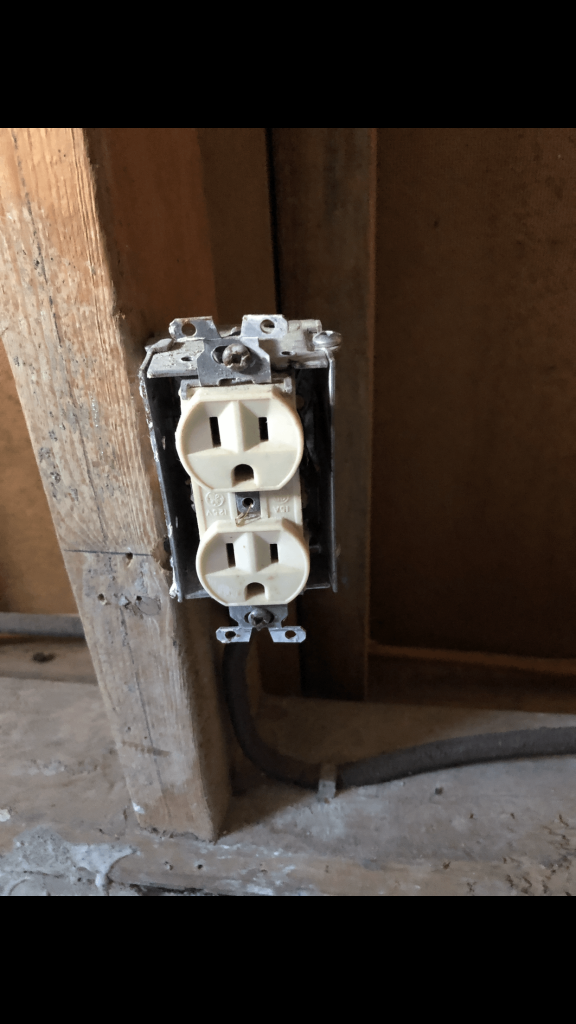
Credit: www.reddit.com
Causes Of Outlet Sparking
Sparking from an outlet is more than just a startling sight—it often signals an underlying electrical problem. Understanding the causes can help you act quickly to protect your home and devices. Let’s look at some common reasons why your outlets might spark when you plug something in.
Loose Wiring Connections
Loose wires inside an outlet can create gaps that cause sparks. These gaps interrupt the flow of electricity, leading to small arcs of electricity jumping between wires or contacts. Have you ever felt a slight shock or seen a flicker of light when plugging in a device? That might be due to loose wiring.
Addressing this issue usually requires turning off the power and tightening connections or replacing faulty wiring. Ignoring it can increase the risk of electrical fires.
Damaged Or Worn Outlets
Outlets wear down over time. Cracks, discoloration, or broken parts can cause poor contact between the plug and the outlet. This poor contact creates sparks as electricity struggles to flow smoothly.
If your outlet feels warm or shows signs of damage, it’s time to replace it. Continuing to use a damaged outlet can harm your devices or even cause fires.
Overloaded Circuits
Plugging too many high-power devices into one outlet or circuit can overload it. This overload causes overheating and sparks when the electrical demand exceeds the outlet’s capacity.
Think about how many appliances you’re using on one outlet. Could spreading out your devices prevent sparks? Using power strips with circuit breakers can add a layer of safety.
Faulty Appliances
Sometimes the problem isn’t the outlet but the device you plug in. Faulty or damaged appliances can have exposed wiring or internal shorts that cause sparks when connected.
Have you noticed sparks only when using a particular appliance? Testing with another device can help identify if the appliance is at fault. Repair or replace faulty devices promptly to avoid damage or injury.
Risks Of Sparking Outlets
Sparking outlets pose serious safety risks. These sparks indicate a problem with the wiring or the outlet itself. Ignoring these sparks can lead to dangerous situations. Understanding the risks helps you take quick action and avoid harm.
Electrical Fires
Sparks can ignite nearby flammable materials. Faulty wiring or loose connections increase fire chances. Electrical fires spread quickly and cause major damage. Early sparks warn you about a potential fire hazard.
Electric Shock Hazards
Sparks show unstable electrical flow. Touching a sparking outlet can cause shocks. Electric shocks can lead to injury or worse. Children and pets are especially at risk near sparking outlets.
Damage To Appliances
Sparking can send power surges to devices. These surges damage sensitive electronics inside appliances. Damaged appliances may stop working or become unsafe. Protect your devices by fixing sparking outlets fast.
How To Identify Outlet Problems
Knowing how to identify outlet problems is crucial if you notice sparks when plugging in devices. Early detection can prevent damage to your appliances or even potential fire hazards. Understanding the signs and performing simple checks empowers you to take action safely and confidently.
Visual Inspection Tips
Start by looking closely at the outlet. Check for discoloration, burn marks, or melted plastic around the sockets. These signs often indicate overheating or short circuits.
Also, see if the outlet feels loose or wobbly when you plug something in. A loose outlet can cause poor contact and sparks. Don’t forget to inspect the wall plate for cracks or damage that might expose wiring.
Signs Of Electrical Issues
Listen and watch carefully when using the outlet. Do you hear buzzing, crackling, or popping sounds? These noises suggest electrical arcing, which is dangerous.
Other red flags include flickering lights connected to the same circuit or frequent tripping of your circuit breaker. If your devices suddenly stop working or show signs of damage, the outlet could be the source.
Using A Voltage Tester
A voltage tester is a handy tool to check if the outlet is working correctly. Carefully insert the tester’s probes into the outlet slots to measure voltage levels.
If the voltage reading is unusually high, low, or fluctuates, it signals a problem. Using a non-contact voltage tester is even safer to detect live wires without touching them directly. Have you tried this simple tool to check your outlets yet?
Safety Precautions When Handling Outlets
Handling electrical outlets requires care to avoid injury or damage. Sparks can signal a serious issue. Taking safety steps protects you and your home. Follow these key precautions when working with outlets to stay safe.
Turning Off Power
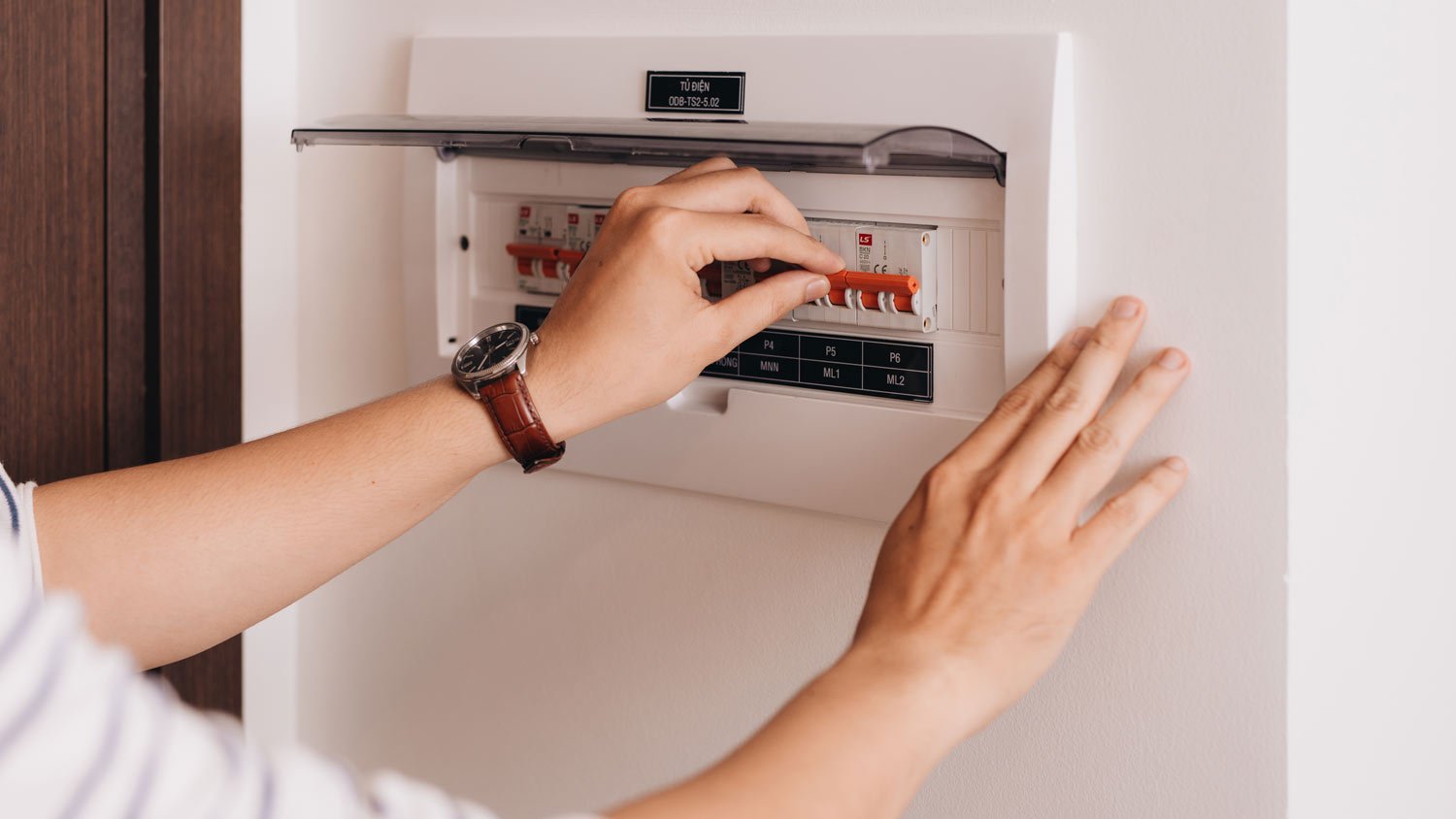
Always switch off the power at the circuit breaker. Do not rely on just unplugging devices. Use a voltage tester to confirm no electricity flows. This step prevents shocks or electrical fires.
Using Proper Tools
Use insulated tools designed for electrical work. Avoid metal tools without insulation. Wear rubber-soled shoes to reduce shock risk. Keep tools dry and in good condition for safe handling.
When To Call A Professional
Call an electrician if sparks continue or outlets feel hot. Complex wiring problems need expert attention. Avoid guessing or trying repairs beyond your skill. Professionals ensure safe and proper fixes.
Preventing Outlet Sparks
Sparks from your outlets can be alarming and may signal potential electrical issues. Preventing these sparks not only protects your home but also keeps you and your family safe. Paying attention to how you maintain and use your electrical system can make a big difference.
Regular Electrical Maintenance
Have you ever noticed how a small problem can grow if ignored? Checking your outlets and wiring regularly helps catch loose connections or worn-out components before they cause sparks.
Hire a professional electrician to inspect your electrical system yearly. They can spot hidden issues you might miss and fix them early, saving you from costly repairs and hazards.
Avoiding Overloading Circuits
Overloading a circuit is a common cause of outlet sparks. Think about how many devices you plug into one outlet. If too many high-power appliances run at once, the wiring can’t handle the load, causing sparks or even fires.
Use power strips with built-in circuit breakers and spread out your devices across multiple outlets. Ask yourself, “Am I pushing this outlet beyond its limit?” Adjusting your usage can prevent dangerous sparks.
Upgrading Old Wiring
Old wiring can become brittle and unsafe over time. If your home is decades old, the wiring might not support modern electrical demands, leading to sparks when you plug in new devices.
Consider upgrading your wiring to meet today’s safety standards. This investment can improve your home’s electrical safety and reduce the risk of sparks and outages.
Using Quality Appliances
Cheap or faulty appliances can cause sparks when plugged in. Poor wiring or internal defects increase the risk of electrical issues.
Choose appliances from reputable brands and check for safety certifications. This simple step helps protect your outlets and your home’s electrical system from unnecessary sparks.
Credit: www.litoelectrical.com
Credit: www.angi.com
Frequently Asked Questions
Why Do Outlets Spark When Plugging In Devices?
Outlets can spark due to loose wiring or worn contacts inside. This causes a brief electrical arc. It’s often normal but can signal a safety issue if frequent.
Is Sparking Outlet A Fire Hazard?
Yes, frequent sparks may cause overheating and fire risks. It’s important to inspect and repair outlets showing sparks to ensure safety.
How Can I Stop My Outlet From Sparking?
Turn off power, then check wiring and replace damaged parts. Tightening connections or changing the outlet often stops sparking.
When Should I Call An Electrician For Sparking Outlets?
Call an electrician if sparks are frequent, loud, or smell burning. Professional help is needed to prevent electrical hazards and ensure safe repairs.
Conclusion
Sparks from outlets can signal serious electrical problems. Always check your wiring and outlet condition. Loose connections or damaged wires often cause sparking. Avoid using outlets that spark to prevent hazards. Call a licensed electrician to inspect and fix issues.
Safety matters most when dealing with electricity. Taking quick action protects your home and family. Stay alert to any unusual electrical signs around you. Simple care can stop sparks before they start. Keep your electrical system safe and reliable every day.





