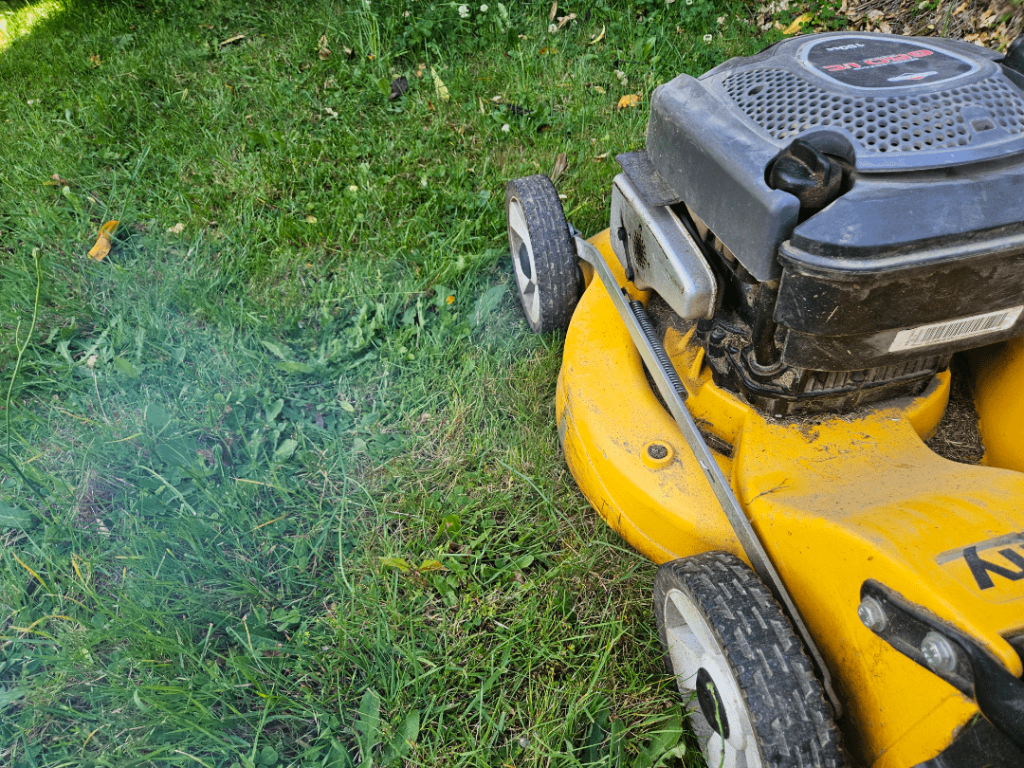
Have you ever fired up your lawn mower, only to be greeted by an unexpected cloud of smoke? It’s a sight that can be both puzzling and alarming.
Whether you’re a seasoned gardener or a weekend warrior, a smoking lawn mower can throw a wrench in your plans for a perfectly manicured lawn. But what does this smoke mean? Is it a sign of trouble or just a minor hiccup?
Understanding the reasons behind why lawn mowers smoke can save you time, money, and a lot of frustration. Dive into the following insights to uncover the common culprits and learn how to keep your mower running smoothly, ensuring your lawn stays the envy of the neighborhood. Ready to clear the air? Let’s get started!

Credit: www.reddit.com
Types Of Lawn Mower Smoke
Lawn mowers may emit different colors of smoke, each signaling a unique issue. Understanding these smoke types helps identify the problem quickly. This knowledge saves time and prevents costly repairs.
Smoke color varies due to the mower’s engine condition and fuel mixture. Recognizing white, blue, and black smoke is crucial for proper maintenance. Let’s explore the causes behind each smoke type.
White Smoke Causes
- White smoke usually means coolant or water is burning.
- It can indicate a blown head gasket or cracked engine block.
- Condensation in the muffler can cause light white smoke at startup.
- Excessive white smoke signals a serious engine problem needing repair.
Blue Smoke Causes
- Blue smoke indicates burning oil in the combustion chamber.
- Worn piston rings or valve seals often cause oil leaks.
- Overfilling the oil reservoir may also produce blue smoke.
- Blue smoke means the engine needs immediate attention to avoid damage.
Black Smoke Causes
- Black smoke shows the engine burns too much fuel.
- A dirty air filter restricts airflow, causing rich fuel mixture.
- Faulty carburetors or fuel injectors can increase fuel flow.
- Black smoke reduces fuel efficiency and increases pollution.
Fuel Issues Leading To Smoke
Fuel problems often cause lawn mowers to smoke. Poor fuel quality or incorrect mixtures can affect engine performance. These issues may lead to visible smoke from the mower’s exhaust. Understanding fuel-related causes helps keep your mower running clean and smooth.
Old Or Contaminated Fuel
Fuel that sits too long loses its quality. It may get thick or form deposits. Contaminated fuel clogs the carburetor and fuel lines. This causes incomplete burning and smoke. Always use fresh fuel for best results.
Incorrect Fuel Mixture
Some mowers need a mix of gasoline and oil. Too much oil in the mix creates excess smoke. Too little oil can damage the engine but may not cause smoke. Follow the manufacturer’s fuel ratio for a clean burn.
Fuel Tank Problems
Leaks or cracks in the fuel tank let air enter. Air in the fuel system disrupts combustion. Dirt or water in the tank also causes poor fuel quality. These conditions lead to smoking and reduced engine power.
Engine Oil Problems
Engine oil problems often cause lawn mowers to smoke. Oil keeps the engine parts moving smoothly and cool. When oil issues arise, smoke can escape from the mower. This smoke signals trouble that needs quick attention. Understanding common oil problems helps fix the issue and protects the mower’s engine.
Overfilled Oil
Too much oil in the engine causes pressure build-up. This pressure pushes oil into places it should not be. Oil may enter the combustion chamber and burn, creating smoke. Overfilling also leads to oil leaks and engine damage. Always check the oil level with a dipstick before use.
Wrong Oil Type
Using the wrong oil type affects engine performance. Oils have different thickness and properties. The wrong oil does not lubricate well and can burn easily. Burning oil produces blue or gray smoke. Use the oil type recommended by the mower’s manual for best results.
Oil Leaks
Oil leaks allow oil to drip on hot engine parts. The heat burns the oil, causing visible smoke. Leaks also lower oil levels, risking engine wear. Look for wet spots or puddles under the mower. Fix leaks quickly to stop smoke and protect the engine.

Credit: www.youtube.com
Air Filter And Carburetor Troubles
The air filter and carburetor play key roles in a lawn mower’s engine. Problems here often cause smoke. Dirt and blockages stop air and fuel from mixing well. This leads to poor burning and thick smoke. Checking these parts helps find and fix smoke issues quickly.
Dirty Air Filter Effects
A dirty air filter blocks air flow into the engine. Without enough air, fuel burns poorly. The engine runs rich, meaning too much fuel and not enough air. This causes black or blue smoke from the exhaust. A clogged filter also lowers mower power and fuel efficiency. Cleaning or replacing the air filter can stop the smoke and improve performance.
Carburetor Malfunctions
The carburetor mixes air and fuel before it enters the engine. If it malfunctions, the mixture is off balance. A carburetor stuck open or clogged jets can cause too much fuel in the mix. This rich fuel mixture creates thick smoke during mowing. Dirt and old fuel residue often cause carburetor problems. Regular cleaning and tuning keep the carburetor working well and prevent smoke.
Clogged Fuel Lines
Fuel lines carry gasoline from the tank to the carburetor. Dirt, debris, or old fuel can clog these lines. This reduces fuel flow or causes inconsistent fuel delivery. The engine struggles to burn fuel properly and may emit smoke. Inspecting and cleaning fuel lines helps maintain smooth fuel flow. Replace cracked or damaged lines to avoid smoke and engine trouble.
Mechanical And Engine Wear
Lawn mowers can start smoking due to mechanical and engine wear. Over time, parts inside the engine wear out or get damaged. This wear affects how well the engine runs and can cause smoke to appear. Understanding these issues helps in spotting problems early and fixing them before damage gets worse.
Worn Piston Rings
Piston rings seal the gap between the piston and cylinder walls. When these rings wear out, oil can leak into the combustion chamber. The oil burns along with fuel, creating blue or gray smoke. Worn piston rings also lower engine power and efficiency.
Damaged Valve Seals
Valve seals stop oil from entering the combustion chamber through the valves. If these seals break or wear down, oil leaks into the engine. This oil burn causes visible smoke from the exhaust. Damaged valve seals often lead to rough engine performance.
Cylinder Issues
Scratched or damaged cylinders can cause oil leaks inside the engine. The oil mixes with fuel and burns, creating smoke. Cylinder wear also reduces compression, making the engine hard to start. Regular checks can catch cylinder damage early.
Quick Fixes To Reduce Smoke
Seeing your lawn mower puff out smoke can be frustrating, especially when you’re eager to get the job done. The good news is that many causes of smoking are simple to fix and don’t require a mechanic. Let’s look at some quick fixes that can help reduce smoke and keep your mower running smoothly.
Cleaning And Maintenance Tips
Keeping your lawn mower clean is often overlooked but crucial. Dirt and grass buildup can clog the air filter, causing the engine to burn fuel inefficiently and produce smoke.
Check your air filter regularly. If it looks dirty or clogged, replace or clean it as per the manufacturer’s instructions. Also, remove any grass clippings and debris around the engine to improve airflow and reduce smoke.
Fuel And Oil Replacement
Old or incorrect fuel can cause your mower to smoke. Gasoline left for too long loses its effectiveness and can leave residue that clogs your engine.
Drain old fuel and refill with fresh, clean gasoline. Use the correct oil type and change the oil regularly, especially if the mower smokes on startup. Too much oil or the wrong oil grade can create blue or white smoke, signaling oil burning inside the engine.
Adjusting Carburetor Settings
The carburetor controls the fuel-to-air ratio your engine needs. If this balance is off, the mower may smoke due to too much fuel or not enough air.
Try adjusting the carburetor screws to lean out the mixture if you notice black smoke. If you’re unsure, consult your mower’s manual or a professional—incorrect adjustments can cause engine damage. Have you ever noticed your mower running unevenly before it started smoking? That’s often a carburetor issue in disguise.
When To Seek Professional Help
Knowing when to seek professional help is important for a smoking lawn mower. Some issues need expert care to avoid costly damage. Early action can save time and money. Ignoring warning signs can make problems worse. Understanding the signals helps decide when to call a technician.
Signs Of Major Engine Damage
- Thick, blue or black smoke coming from the mower
- Engine overheating or shutting down suddenly
- Strange noises like knocking or grinding
- Loss of power or poor performance
- Oil leaking or burning smell
- Mower won’t start after several attempts
These signs suggest serious engine trouble. A professional can diagnose and fix the root cause safely.
Cost Vs. Repair Considerations
Evaluate repair costs against the mower’s value. Minor fixes may be affordable. Major engine repairs often cost more than a new mower.
| Issue | Estimated Repair Cost | When to Replace |
|---|---|---|
| Simple carburetor cleaning | $50 – $100 | No |
| Engine gasket replacement | $150 – $300 | Consider age of mower |
| Full engine rebuild | $300 – $600+ | Usually yes |
Consult a professional to get a clear estimate. They provide honest advice on repair or replacement. Investing in a new mower might be smarter for old machines.

Credit: ahmcorp.com
Frequently Asked Questions
Why Is My Lawn Mower Smoking Black?
Black smoke usually means too much fuel or poor air flow. Check the air filter and carburetor for clogs or damage. Adjust fuel mixture if needed to fix this problem.
What Causes Blue Smoke From A Lawn Mower?
Blue smoke indicates burning oil. This often happens if the mower is overfilled with oil or if piston rings are worn. Inspect oil level and engine condition to resolve this.
How To Stop White Smoke From My Mower?
White smoke typically comes from burning coolant or water. Check for leaks in the cooling system or blown head gasket. Fix these issues to prevent white smoke.
Can Dirty Air Filters Cause Mower Smoking?
Yes, dirty air filters restrict airflow and cause incomplete combustion. This leads to smoke emission. Clean or replace the air filter regularly for smooth operation.
Conclusion
Lawn mowers smoke for several common reasons. Old oil or too much oil can cause smoke. Dirty air filters or bad spark plugs also lead to this issue. Fixing these problems keeps your mower running well. Regular care helps avoid smoke and saves money.
A smooth-running mower cuts grass better and lasts longer. Understanding why your mower smokes helps you fix it fast. Keep your lawn mower clean and check it often. This simple effort makes mowing easier and safer every time.





