Have you ever wondered why your car’s performance feels off or why your fuel bills are creeping higher? The answer might be simpler than you think—your spark plugs.
These small but mighty parts play a crucial role in keeping your engine running smoothly. Ignoring them can lead to poor fuel efficiency, rough starts, and even costly repairs. You’ll discover exactly why changing your spark plugs on time can save you money, improve your ride, and keep your car reliable.
Keep reading to learn how this easy maintenance step can make a big difference for you.
Credit: www.terrylabontechevy.com
Role Of Spark Plugs
Spark plugs play a key role in your car’s engine. They create the spark that starts the fuel burning. Without good spark plugs, the engine cannot run well. They help the engine perform smoothly and efficiently.
How Spark Plugs Work
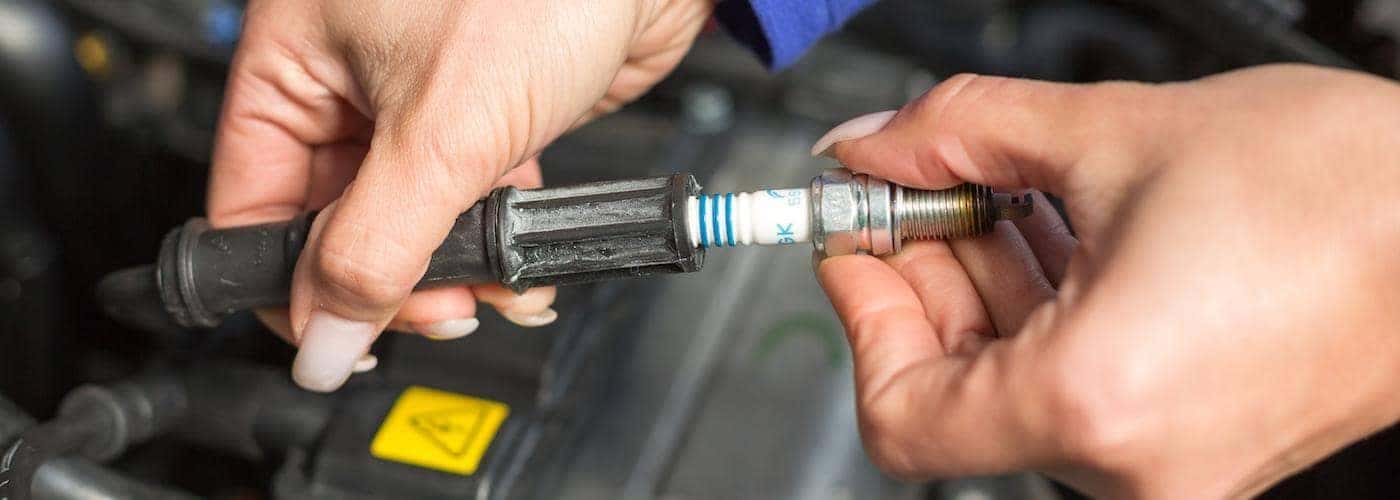
Spark plugs sit in the engine’s cylinders. They get electricity from the ignition system. This electricity jumps a small gap between two electrodes. The spark ignites the air and fuel mix. This burning fuel powers the engine.
Each spark plug must create a strong spark at the right time. This keeps the engine running smoothly and avoids misfires.
Impact On Engine Performance
Good spark plugs improve fuel efficiency and power. They help start the engine quickly. Worn spark plugs cause rough idling and poor acceleration. The engine may stall or use more fuel. Replacing spark plugs keeps the engine healthy and saves money on gas.

Credit: www.reddit.com
Signs Of Worn Spark Plugs
Worn spark plugs can quietly sabotage your vehicle’s performance without obvious signs. Recognizing the signs early can save you time and money on repairs. Here are some clear indications that your spark plugs need attention.
Reduced Fuel Efficiency
Have you noticed that your car is visiting the gas station more often? Worn spark plugs cause incomplete combustion, which means your engine burns more fuel to produce the same power.
This inefficiency can lower your miles per gallon noticeably. If your fuel expenses suddenly rise without a change in your driving habits, your spark plugs might be the culprit.
Engine Misfires And Rough Idling
Your engine should run smoothly when idling, but worn spark plugs can cause it to misfire or shake. This happens because the spark plugs fail to ignite the fuel-air mixture properly in the cylinders.
Have you felt unexpected jerks or a rough vibration when your car is stopped? These symptoms often point directly to spark plug issues, signaling it’s time for a check.
Difficulty Starting The Engine
Does your car hesitate or struggle to start, especially in cold weather? Worn spark plugs weaken the spark needed to ignite the engine’s fuel mixture during startup.
This can leave you frustrated, turning the key multiple times before the engine catches. Paying attention to these startup delays can help you avoid being stranded unexpectedly.
Performance Benefits Of New Spark Plugs
New spark plugs help your engine run at its best. They create a strong spark that lights the fuel-air mix. This leads to better engine power and efficiency. Changing spark plugs regularly keeps your car responsive and reliable. Below are key performance benefits of installing new spark plugs.
Improved Acceleration
Fresh spark plugs ignite fuel faster and more evenly. This improves combustion, which boosts engine power. Your car responds quicker when you press the gas pedal. Acceleration feels smoother and more natural. Old spark plugs can cause hesitation or sluggishness. New plugs restore quick, steady acceleration for better driving.
Smoother Engine Operation
New spark plugs reduce engine misfires and rough idling. They create consistent sparks that keep the engine running steady. This means less shaking and noise from the engine. Your car starts easier and runs more quietly. Worn plugs cause uneven firing, leading to vibrations and loss of power. Replacing them ensures smooth, reliable engine performance every time.
Fuel Savings From Fresh Spark Plugs
Fresh spark plugs can have a surprising impact on your vehicle’s fuel efficiency. When spark plugs wear out, they fail to ignite the fuel-air mixture properly, causing your engine to work harder and consume more fuel. Replacing old spark plugs with new ones can help your engine run smoother and save you money at the pump.
Optimizing Combustion
Your engine relies on spark plugs to ignite the fuel-air mixture inside the cylinders. Worn plugs create weak or inconsistent sparks, leading to incomplete combustion. This means some fuel doesn’t burn fully, wasting gas and reducing power.
With fresh spark plugs, the combustion process becomes more efficient. You get a stronger, more consistent spark that burns fuel completely. This not only improves engine performance but also helps your car use fuel more effectively.
Lower Emissions
Incomplete combustion caused by old spark plugs increases harmful emissions. Unburnt fuel exits your exhaust, contributing to pollution and potentially failing emissions tests.
Replacing spark plugs reduces these emissions by ensuring fuel burns properly. This cleaner burn helps your car run greener and might even save you money on emissions-related repairs in the long run.
When To Replace Spark Plugs
Knowing when to replace spark plugs keeps your engine running smoothly. Old spark plugs cause poor fuel economy and engine misfires. Timely replacement prevents costly repairs and improves performance. Understanding the right time to change spark plugs is important for any car owner.
Manufacturer Recommendations
Car makers give specific advice on spark plug replacement. Check your owner’s manual for exact guidelines. Each vehicle may have different needs based on engine type. Following these recommendations ensures proper engine care and avoids early wear.
Mileage And Time Intervals
Most spark plugs last between 30,000 and 100,000 miles. Some need changing every 30,000 miles, while others last longer. Time also matters; old spark plugs can wear even if mileage is low. Replace spark plugs every few years to avoid buildup and damage.

Credit: www.youtube.com
Choosing The Right Spark Plugs
Choosing the right spark plugs is key to keeping your engine running smoothly. The correct spark plug improves fuel efficiency, reduces emissions, and ensures reliable starts. Picking the wrong type can cause poor engine performance and wasted fuel. Understanding the differences helps you make the best choice for your car.
Types Of Spark Plugs
Spark plugs come in several types. Each type has unique features that suit different engines and driving needs.
- Copper Spark Plugs:These are the most basic type. They conduct electricity well but wear out faster.
- Platinum Spark Plugs:They last longer than copper plugs. They offer better durability and performance.
- Iridium Spark Plugs:Known for their longevity and strong spark. They are more expensive but very reliable.
- Double Platinum Spark Plugs:Have platinum on both electrodes. They provide consistent performance in modern engines.
Compatibility With Your Vehicle
Not all spark plugs fit every car. Using the right size and heat range is vital for engine health.
Check your vehicle’s manual for recommended spark plugs. The wrong plug can lead to engine knocking or misfires.
- Match the thread size and length to your engine.
- Choose the heat range suitable for your driving style and climate.
- Use plugs designed for your engine type, such as turbocharged or naturally aspirated.
Proper compatibility ensures smooth operation and prevents engine damage. Always double-check before purchasing spark plugs.
Diy Replacement Vs Professional Service
Deciding between replacing spark plugs yourself or hiring a professional can shape your car’s performance and your wallet. Both choices have clear advantages, but understanding what each involves will help you pick what’s best for your situation. Have you ever wondered if you really need special tools or if a quick DIY job is enough to keep your engine running smoothly?
Tools Needed For Replacement
Replacing spark plugs isn’t just about pulling out the old and popping in the new. You need the right tools to avoid damage and ensure a perfect fit.
- Spark plug socket:A special socket with rubber padding to hold the plug securely.
- Ratchet wrench:To turn the spark plug socket with ease.
- Torque wrench:Essential for tightening spark plugs to the manufacturer’s specifications.
- Gap gauge:To check and adjust the spark plug gap if necessary.
- Extension bar:Helpful for reaching deeply seated spark plugs.
If you don’t have these tools, you might struggle or risk damaging your engine components. Have you ever started a task only to realize you’re missing a crucial tool? That frustration is common with DIY spark plug changes.
Benefits Of Professional Installation
Professionals bring experience and precision to spark plug replacement that’s hard to match. They know the exact torque settings and can spot underlying issues that might go unnoticed during a DIY job.
Choosing professional service means you avoid common mistakes like over-tightening or incorrect gap settings. Plus, if your engine has tricky access points, pros have the right tools and techniques to handle them without hassle.
Think about the time you save and the peace of mind you gain knowing your car is in expert hands. Is it worth a little extra cost to skip the trial and error and get it right the first time?
Frequently Asked Questions
Why Is Changing Spark Plugs Important?
Changing spark plugs ensures efficient engine performance and fuel economy. Worn plugs cause misfires and hard starts. Regular replacement prevents engine damage and keeps your vehicle running smoothly and reliably.
How Often Should Spark Plugs Be Replaced?
Spark plugs should be replaced every 30,000 to 100,000 miles. Check your vehicle’s manual for specific intervals. Regular inspection helps avoid poor engine performance and costly repairs.
What Are The Signs Of Bad Spark Plugs?
Symptoms include engine misfires, rough idling, poor acceleration, and decreased fuel efficiency. If your car struggles to start or runs unevenly, it’s time to check the spark plugs.
Can Old Spark Plugs Damage My Engine?
Yes, old spark plugs can cause misfires and inefficient combustion. This leads to engine strain, reduced power, and potential damage over time. Timely replacement protects your engine’s health.
Conclusion
Changing spark plugs is crucial for engine health. It ensures smooth starts. Efficiency improves, saving fuel and money. Regular replacement prevents engine misfires. This can avoid costly repairs. Old spark plugs affect performance. New ones provide better acceleration. They also reduce emissions, helping the environment.
Ignoring them can lead to bigger issues. So, keep your vehicle running well. Regular maintenance is key. Check your spark plugs often. Enjoy a smoother drive and peace of mind.