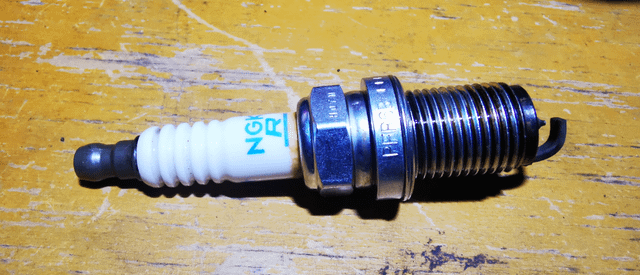
Ever popped the hood of your car and found your spark plugs drenched in oil? It’s a sight that can make any car owner uneasy.
You might be wondering why this is happening and what it means for your vehicle’s health. Don’t worry; you’re not alone in this confusion. Understanding why your spark plugs are wet with oil is crucial, as it could be a sign of underlying issues that need attention.
We’ll explore the possible causes and implications of oil-soaked spark plugs, ensuring you have the knowledge to keep your engine running smoothly. Stick around to discover how to diagnose and address this common automotive problem, and you’ll be on the road to a more reliable ride.

Credit: www.mustangecoboost.net
Oil On Spark Plugs
Finding oil on your spark plugs can be confusing and frustrating. It’s a clear sign that something isn’t right under the hood. Understanding why oil ends up on the spark plugs helps you diagnose problems early and avoid expensive repairs.
How Oil Reaches Spark Plugs
Oil can reach your spark plugs through several paths inside the engine. One common way is through worn valve cover gasket seals. These seals keep oil from leaking into the spark plug wells, but if they fail, oil seeps in and wets the plugs.
Another route is faulty piston rings or cylinder walls. These parts usually keep oil out of the combustion chamber. When they wear down, oil can enter the chamber and coat the spark plugs during combustion.
Sometimes, a clogged or damaged PCV (Positive Crankcase Ventilation) valve causes pressure buildup in the crankcase. This pressure forces oil into places it shouldn’t reach, including the spark plug tubes.
Signs Of Oil Contamination
Oil on spark plugs doesn’t just look messy; it affects engine performance. You might notice rough idling, misfires, or trouble starting your car. These symptoms occur because oil fouls the spark plugs, preventing proper ignition.
Visually inspecting your spark plugs can reveal oil contamination. Look for black, oily deposits on the electrode or insulator. These deposits won’t burn off easily, unlike normal carbon buildup.
If you spot oil on your spark plugs, it’s a clue to check other engine components. Ignoring the issue can lead to increased fuel consumption and further engine damage.

Credit: www.reddit.com
Common Causes
Wet spark plugs with oil can signal several engine issues. Understanding the common causes helps in diagnosing the problem early. Oil on spark plugs affects engine performance and fuel efficiency. Identifying the root cause prevents further engine damage and costly repairs.
Worn Valve Cover Gasket
The valve cover gasket seals the top of the engine. Over time, it wears out and cracks. Oil leaks through these cracks onto the spark plugs. This causes the plugs to become wet with oil. Replacing the gasket stops the leak and keeps oil away.
Damaged Piston Rings
Piston rings seal the gap between pistons and cylinder walls. When damaged, oil leaks into the combustion chamber. Oil coats the spark plugs, making them wet. This issue reduces engine compression and power. Fixing piston rings requires professional repair.
Faulty Valve Seals
Valve seals control oil flow around the valves. Faulty seals allow oil to seep into the combustion chamber. This oil wets the spark plugs and causes misfires. Worn valve seals need replacement to restore proper engine function.
Pcv Valve Issues
The PCV valve helps remove gases from the engine crankcase. A stuck or clogged PCV valve causes pressure build-up. This forces oil into the spark plug wells. Cleaning or replacing the PCV valve resolves oil wetting spark plugs.
Effects On Engine Performance
Wet spark plugs with oil can harm your engine’s performance in many ways. Oil fouling disrupts the spark plug’s ability to ignite the fuel-air mix properly. This leads to several noticeable problems while driving. Understanding these effects helps in diagnosing engine issues early and avoiding costly repairs.
Misfires And Rough Idling
Oil on spark plugs causes weak or no spark. This leads to engine misfires, where cylinders fail to fire correctly. The engine may shake or run unevenly at idle. Rough idling makes the car feel unstable and noisy. These issues reduce driving comfort and can worsen over time.
Reduced Fuel Efficiency
Oil fouled spark plugs cause incomplete fuel combustion. The engine burns more fuel to compensate for poor ignition. This results in lower miles per gallon and higher fuel costs. Over time, fuel efficiency drops noticeably. Drivers may feel the need to refuel more often than usual.
Increased Emissions
Incomplete combustion raises harmful exhaust emissions. Oil on spark plugs can cause more unburned fuel to exit the engine. This increases pollutants like carbon monoxide and hydrocarbons. Higher emissions can lead to failed emissions tests and environmental harm. Keeping spark plugs clean helps maintain cleaner exhaust gases.
Quick Fixes
Finding oil on your spark plugs can be frustrating, but some quick fixes can help you get back on the road without a costly repair bill. Addressing the root cause early prevents further engine issues and saves you time. Let’s look at some practical steps to tackle wet spark plugs caused by oil.
Cleaning Or Replacing Spark Plugs
If your spark plugs are wet with oil, the first thing to consider is cleaning or replacing them. Oil fouls the spark plug’s tip, causing misfires and poor engine performance. You can clean minor oil deposits with a wire brush and spark plug cleaner, but if the plugs are heavily soaked, replacement is the safer bet.
Remember, using old or damaged plugs repeatedly can lead to bigger engine problems. Have you checked your spark plugs lately? It might be time to swap them out and see if that improves your engine’s performance.
Inspecting And Replacing Gaskets
Oil leaks onto spark plugs often come from worn valve cover gaskets or spark plug tube seals. These gaskets prevent oil from seeping into the spark plug wells. Inspect the gaskets for cracks, brittleness, or damage, especially if your engine has high mileage.
Replacing these gaskets is usually straightforward and affordable. Fixing this leak early can stop oil from contaminating the plugs again. Could a simple gasket replacement be the fix your engine needs?
Checking Pcv Valve Function
The Positive Crankcase Ventilation (PCV) valve controls engine pressure and oil vapor flow. A faulty PCV valve can cause excessive pressure, pushing oil into the spark plug tubes. Testing the PCV valve is easy—you can shake it and listen for a rattle or test it with a vacuum gauge.
If the valve is clogged or stuck, replace it. This small part can save you from persistent oil fouling issues. Have you ever considered the PCV valve as a culprit behind your oily spark plugs?
Addressing Piston Or Valve Seal Damage
More serious causes of oil on spark plugs include damaged piston rings or valve seals. These parts keep oil out of the combustion chamber, so when they fail, oil leaks onto the plugs. While this issue requires professional inspection, you can look for signs like blue smoke from the exhaust or increased oil consumption.
Early detection can prevent expensive engine repairs. If you notice these symptoms, don’t delay a mechanic visit. Could the root cause of your wet spark plugs be deeper inside your engine?
Preventive Tips
Keeping spark plugs free from oil is key to smooth engine performance. Preventive care helps avoid costly repairs and keeps your car running well. Simple habits can protect your spark plugs and your engine.
Regular Maintenance Schedule
Follow your car’s maintenance guide carefully. Change spark plugs and filters on time. Check for oil leaks around the engine often. Clean or replace parts showing wear or damage.
Using Quality Engine Oil
Choose oil recommended by your vehicle’s maker. High-quality oil reduces engine wear and oil leaks. Change oil and oil filter regularly to keep the engine clean. Avoid cheap oils that break down fast and cause build-up.
Monitoring Engine Performance
Listen for strange sounds or rough idling. Watch for smoke from the exhaust or loss of power. Check the engine light on the dashboard. Early signs help catch problems before oil wets spark plugs.
Credit: www.chryslerminivan.net
Frequently Asked Questions
Why Are My Spark Plugs Wet With Oil?
Wet spark plugs usually indicate oil leaking into the combustion chamber. This happens due to worn valve seals, piston rings, or damaged cylinder walls. Oil contaminates the plugs, causing misfires and poor engine performance. Prompt repair is essential to prevent further engine damage and maintain efficiency.
Can Oil On Spark Plugs Cause Engine Misfires?
Yes, oil on spark plugs can cause engine misfires. The oil disrupts the spark needed for combustion, leading to incomplete ignition. This results in rough idling, reduced power, and increased emissions. Cleaning or replacing the plugs and fixing the oil leak can resolve misfire issues.
How To Fix Spark Plugs Wet With Oil?
Fixing wet spark plugs involves identifying the oil leak source. Common repairs include replacing valve seals, piston rings, or gaskets. After repair, clean or replace the spark plugs to restore engine performance. Regular maintenance prevents oil contamination and extends spark plug life.
Is It Safe To Drive With Oil On Spark Plugs?
Driving with oil on spark plugs is not safe long-term. It causes misfires, poor fuel economy, and potential engine damage. Short trips may be okay, but get the problem diagnosed and fixed promptly to avoid costly repairs and ensure vehicle reliability.
Conclusion
Wet oil on spark plugs signals a problem in your engine. It may cause misfires or poor performance. Check seals, gaskets, and valve guides for leaks. Fixing these issues early saves money and avoids bigger damage. Keep your engine clean and well-maintained.
Regular checks help spot problems fast. Don’t ignore wet spark plugs; act quickly for smooth driving.





