
Have you ever popped the hood of your car, pulled out a spark plug, and found it covered in black soot? It’s a sight that can make any car owner uneasy.
You’re left wondering, “Why are my spark plugs black? ” This isn’t just a cosmetic issue; it’s a symptom that your engine is trying to tell you something. But what exactly? Understanding the reasons behind blackened spark plugs can save you from bigger headaches down the road and keep your vehicle running smoothly.
We’ll break down the potential causes and what they mean for your car, helping you to take the right steps before any serious damage occurs. Stick around to learn how addressing this issue now can save you time, money, and stress in the future.

Credit: www.starbikeforums.com
Black Spark Plugs Causes
Black spark plugs indicate an issue with your engine’s combustion process. Several causes can lead to this black, sooty deposit on the plugs. Identifying these causes helps maintain engine performance and fuel efficiency. Below are common reasons for black spark plugs.
Carbon Fouling
Carbon fouling happens when unburned fuel leaves a black, powdery deposit on the plug. This build-up blocks proper spark and reduces engine power. It often occurs due to incomplete combustion or poor air-fuel mixture.
Rich Fuel Mixture
A rich fuel mixture means too much fuel and not enough air in the combustion chamber. Excess fuel burns poorly, causing black deposits on the spark plugs. This condition lowers fuel economy and increases emissions.
Oil Contamination
Oil contamination on spark plugs appears as shiny, black, oily deposits. It happens when engine oil leaks into the combustion chamber. Worn piston rings or valve seals can cause this problem, leading to poor engine performance.
Incorrect Spark Plug Heat Range
Using spark plugs with the wrong heat range causes black fouling. A plug that is too cold does not burn off deposits properly. This leads to carbon build-up and engine misfires.
Short Driving Trips
Short trips prevent the engine from reaching optimal temperature. This keeps fuel from burning completely, causing black deposits on spark plugs. Longer drives help clear these deposits naturally.
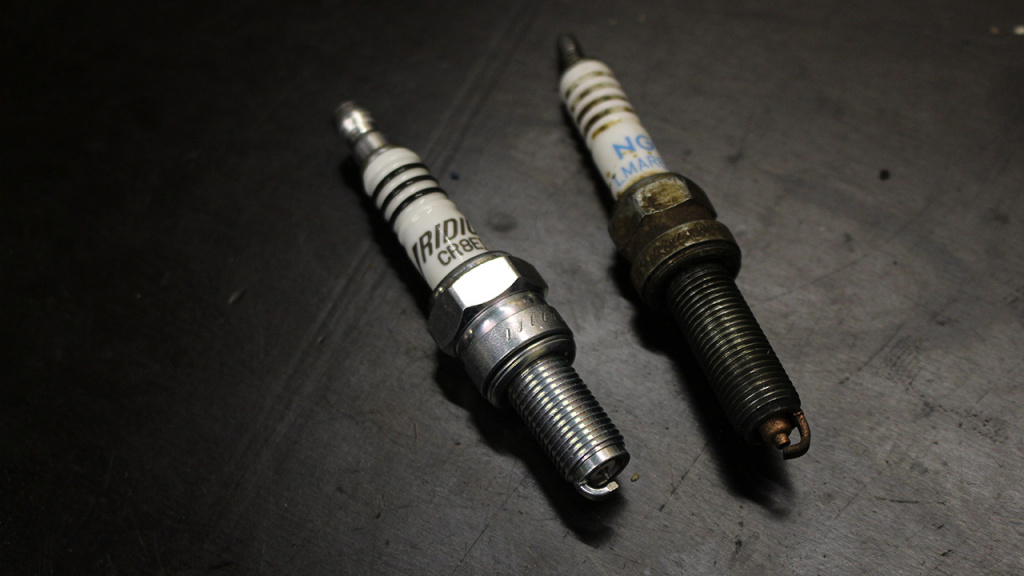
Credit: finntrail.com
Symptoms Of Black Spark Plugs
Black spark plugs show signs of trouble in your engine. They affect how your car runs and can cause different problems. Knowing the symptoms helps spot issues early. This section explains common signs of black spark plugs.
Engine Misfires
Black spark plugs often cause engine misfires. The engine may skip or run unevenly. This happens because the spark plug cannot ignite fuel properly. Misfires reduce engine power and cause a jerky ride.
Poor Fuel Economy
Fuel burns less efficiently with black spark plugs. Your car uses more gas to run the same distance. This means more trips to the gas station and higher costs. Poor fuel economy is a clear sign of spark plug problems.
Hard Starting
The engine may struggle to start or take longer to turn on. Black spark plugs fail to create a strong spark at first. This delay makes starting frustrating, especially in cold weather or after the car sits for a while.
Rough Idle
A rough or shaky idle is common with black spark plugs. The engine may vibrate or sound uneven when stopped. This happens because the spark plugs do not fire correctly. The engine struggles to keep a smooth running pace.
Quick Fixes For Black Spark Plugs
Black spark plugs often signal that something is off with your engine’s combustion process. Fortunately, you can take several quick steps to fix this issue yourself before it turns into a costly repair. Addressing black spark plugs early can improve your car’s performance and fuel efficiency.
Cleaning Spark Plugs
Sometimes, black deposits build up simply because the spark plugs are dirty. You can clean them using a wire brush or a specialized spark plug cleaner. Just make sure to remove any carbon deposits gently to avoid damaging the electrodes.
After cleaning, check the spark plugs for cracks or wear. If they look damaged, cleaning won’t be enough, and replacement might be necessary.
Adjusting Fuel Mixture
A rich fuel mixture can cause black, sooty spark plugs. This means your engine is burning too much fuel and not enough air. Adjusting the fuel mixture to the right balance can stop excessive carbon buildup.
Check your vehicle’s manual or consult a mechanic to tune the air-fuel ratio properly. You might be surprised how much smoother your engine runs after this simple adjustment.
Checking For Oil Leaks
Oil leaks into the combustion chamber can also blacken spark plugs. When oil burns on the plug, it leaves a greasy, black coating that disrupts ignition. Inspect your engine for signs of oil leaks around valve seals or piston rings.
If you spot leaks, addressing them early prevents further spark plug fouling and potential engine damage. Have you noticed any oil spots under your car or unusual smoke from the exhaust?
Replacing With Correct Heat Range
Using spark plugs with the wrong heat range can cause black deposits. If the plugs run too cold, they won’t burn off carbon properly. Choosing the correct heat range for your engine ensures the plugs stay clean and perform optimally.
Refer to your vehicle’s specifications or ask a parts specialist to find the right spark plugs. It’s a small detail that can make a big difference.
Improving Driving Habits
Your driving style affects spark plug condition more than you might think. Frequent short trips or idling can prevent the engine from reaching the temperature needed to burn off deposits. Try to include longer drives at higher speeds occasionally.
Also, avoid excessive idling and rapid acceleration, which can increase carbon buildup. Have you considered how your daily driving might be impacting your spark plugs?
Preventive Measures
Preventing black spark plugs helps keep your engine running well. Taking simple steps stops build-up and damage early. These actions improve fuel efficiency and reduce engine problems.
Regular Maintenance
Check spark plugs regularly for dirt and wear. Clean or replace them as needed. Regular inspections catch problems before they worsen. Follow your vehicle’s maintenance schedule closely.
Using Quality Fuel
Choose fuel with proper octane and low impurities. Poor fuel causes carbon deposits on spark plugs. High-quality fuel burns cleaner and protects engine parts. Avoid cheap or contaminated fuel sources.
Timely Spark Plug Replacement
Replace spark plugs at recommended intervals. Old plugs lose efficiency and cause blackening. Fresh plugs ensure strong sparks and smooth engine work. Use correct spark plugs for your vehicle model.
Engine Tune-ups
Regular tune-ups keep your engine balanced and clean. Adjust air-fuel mix and ignition timing properly. Tune-ups reduce carbon buildup on spark plugs. Professional checks help maintain engine health and performance.
When To Seek Professional Help
Knowing when to seek professional help for black spark plugs can save your engine from further damage and costly repairs. Some issues might seem minor but could indicate deeper problems under the hood. Understanding the signs that call for expert attention will help you keep your vehicle running smoothly.
Persistent Fouling
If your spark plugs keep turning black even after cleaning or replacing them, it’s a sign something else is wrong. Persistent fouling often points to fuel system issues or oil leaks that you might not spot easily. Have you noticed your engine running rough or misfiring repeatedly? This is a good time to get a professional diagnosis.
Severe Engine Performance Issues
Black spark plugs can cause or reflect serious engine problems like poor acceleration, hard starts, or reduced fuel efficiency. When these symptoms become frequent or worsen, it’s not just the plugs but possibly the ignition or fuel system at fault. Don’t wait until your car stalls unexpectedly—seek expert help to pinpoint the cause.
Complex Engine Repairs
Sometimes black spark plugs are just the tip of the iceberg. Issues like valve damage, piston ring wear, or faulty fuel injectors require specialized tools and knowledge to fix properly. Attempting these repairs yourself can lead to bigger problems. If your spark plugs are black and you suspect internal engine trouble, contacting a mechanic is the safest choice.
Credit: www.supraforums.com
Frequently Asked Questions
Why Are My Spark Plugs Turning Black?
Black spark plugs usually indicate carbon fouling. This happens when the air-fuel mixture is too rich or the engine runs cold. It can reduce engine performance and fuel efficiency, signaling a need to check fuel systems or ignition timing.
Can Oil Cause Spark Plugs To Become Black?
Yes, oil leaking into the combustion chamber can blacken spark plugs. This occurs due to worn piston rings or valve seals. Oil burns alongside fuel, leaving a black, oily residue on the plugs, which affects ignition and engine smoothness.
Does Black Spark Plug Mean Engine Is Running Rich?
A black spark plug often means the engine runs rich. Excess fuel causes incomplete combustion, leaving carbon deposits. This can result from faulty injectors, clogged air filters, or incorrect carburetor settings, requiring prompt engine inspection.
How To Fix Black Spark Plugs Issue?
Fixing black spark plugs involves cleaning or replacing them. Also, inspect fuel mixture, air filter, and ignition system. Addressing these factors restores proper combustion, improves engine performance, and prevents future carbon buildup on spark plugs.
Conclusion
Black spark plugs usually show engine problems or fuel issues. They might mean your engine runs too rich or oil leaks inside. Cleaning or replacing spark plugs can fix the problem fast. Regular check-ups help keep your engine healthy and save money.
Watch for signs like poor fuel economy or rough idling. Taking care of spark plugs keeps your car running smooth. Don’t ignore black deposits; act early to avoid bigger repairs. Simple steps can prevent damage and improve engine life. Your car will thank you with better performance and less trouble.





