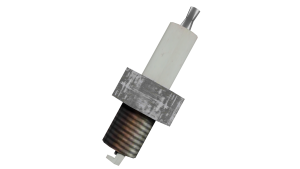
Have you ever wondered who changes spark plugs and why it matters for your vehicle? Whether you’re a car owner or just curious, knowing who handles this simple yet crucial task can save you time, money, and hassle.
Your spark plugs play a key role in keeping your engine running smoothly, so understanding who should replace them—and when—can keep your car in top shape. Keep reading to discover the best options for changing spark plugs and how it impacts your car’s performance.

Credit: www.reddit.com
When To Replace Spark Plugs
Knowing when to replace spark plugs is key to keeping your engine running smoothly. Worn spark plugs can cause rough starts, poor fuel efficiency, and even engine misfires. Paying attention to specific signs and following mileage recommendations can save you from costly repairs.
Signs Of Worn Spark Plugs
Watch out for engine hesitation or rough idling. If your car struggles to start or the acceleration feels sluggish, it might be time to check the spark plugs.
Another clear sign is increased fuel consumption. When plugs wear out, they don’t ignite the fuel-air mixture efficiently, leading to wasted fuel.
Sometimes, you might notice engine misfires or a check engine light on your dashboard. These symptoms can point directly to spark plug issues.
Mileage And Time Guidelines
Most manufacturers recommend replacing spark plugs every 30,000 to 100,000 miles, depending on the type. Copper plugs generally need changing more often, while iridium or platinum plugs last longer.
Even if you drive less than the mileage guideline, consider replacing plugs every few years. Over time, deposits build up and plugs degrade, affecting performance.
Check your owner’s manual for exact intervals tailored to your vehicle. Sticking to these guidelines helps avoid unexpected engine troubles.
Impact On Engine Performance
Worn spark plugs directly affect your engine’s power and efficiency. You may notice a drop in acceleration or that your car feels less responsive.
Fuel economy typically suffers, meaning you pay more at the pump without realizing why. Also, your emissions increase, which isn’t good for the environment or passing inspections.
Replacing spark plugs can restore smooth engine operation and save you money in the long run. Have you ever ignored these signs only to face bigger engine problems later?

Credit: www.acg.aaa.com
Choosing The Right Spark Plugs
Choosing the right spark plugs can make a huge difference in your vehicle’s performance and fuel efficiency. Many drivers overlook this small part, but the truth is, the wrong spark plugs can cause misfires, poor acceleration, and even damage your engine over time. Understanding the types, materials, and compatibility will help you make the best choice for your car.
Types Of Spark Plugs
Spark plugs come in several types, each designed for different engine needs. The most common types include:
- Copper:Great for older engines, but they wear out faster.
- Platinum:Offer better longevity and performance than copper.
- Iridium:Known for durability and excellent igniting ability, ideal for modern engines.
- Double Platinum or Double Iridium:Used in distributor-less ignition systems for longer life.
Choosing the right type depends on your engine’s requirements and driving habits. Have you noticed how your car runs after a spark plug change? That’s the difference type makes.
Material Differences
The material of the spark plug electrode affects its durability and heat conductivity. Copper plugs conduct heat well but wear out quickly. Platinum plugs last longer and resist fouling better. Iridium plugs are the most durable and maintain performance over time.
Think about how often you want to change your spark plugs. If you prefer fewer replacements, iridium might be worth the extra cost. But if you’re on a budget, copper could be a reasonable choice for older cars.
Compatibility With Your Vehicle
Not all spark plugs fit every vehicle. Your car’s make, model, and engine type determine which spark plug will work best. Always check your owner’s manual or ask a trusted mechanic before buying.
Using incompatible spark plugs can lead to poor engine performance or even damage. Have you ever tried a cheaper plug only to find your engine misfiring? That’s a clear sign of incompatibility.
Keep in mind factors like heat range and gap size. Getting these right ensures efficient combustion and smooth running.
Diy Spark Plug Replacement
DIY spark plug replacement saves money and helps you understand your car better. Changing spark plugs yourself can improve engine performance and fuel efficiency. It also prevents small issues from becoming costly repairs. You only need a few tools and a little patience.
Tools You Need
- Spark plug socket wrench
- Ratchet wrench
- Extension bar
- Torque wrench
- Gap gauge
- Anti-seize compound (optional)
- Compressed air or brush
- Gloves and safety glasses
Step-by-step Replacement Process
First, let the engine cool down to avoid burns. Locate the spark plugs by checking your car manual. Remove the ignition coils or wires carefully. Clean the area around the spark plugs with compressed air or a brush.
Use the spark plug socket and ratchet to loosen and remove the old plugs. Check the gap on the new spark plugs with a gap gauge. Apply a small amount of anti-seize compound to the threads if needed. Install the new plugs by hand to avoid cross-threading.
Tighten the spark plugs with a torque wrench to the recommended setting. Reattach the ignition coils or wires. Start the engine to check for smooth operation and any unusual sounds.
Common Mistakes To Avoid
- Over-tightening spark plugs, which can damage threads.
- Not checking or adjusting the spark plug gap.
- Forgetting to clean the spark plug area before removal.
- Mixing up ignition wires or coils.
- Using the wrong spark plug type for your engine.
- Skipping the torque wrench step and relying on hand-tightening.
When To Hire A Professional
Knowing when to hire a professional to change your spark plugs can save you time, money, and potential engine damage. While some car owners enjoy DIY repairs, certain situations demand expert attention. Understanding these scenarios helps you make smart decisions for your vehicle’s health.
Complex Engine Designs
Modern engines often have compact, intricate designs that make spark plug replacement tricky. Some engines require removing other components just to access the spark plugs. If your car’s engine looks crowded or unfamiliar, it might be a sign to call a professional.
Special tools are sometimes needed to reach deep-set plugs without causing damage. If you’ve never worked on engines like these before, attempting the job could lead to broken parts or incorrect installation. Have you checked your car’s manual to see how accessible your spark plugs really are?
Signs You Need Expert Help
There are clear signs that suggest it’s time to get professional help:
- Your engine misfires or runs rough after a DIY plug change.
- The check engine light stays on despite replacing the plugs.
- You notice unusual sounds or smells coming from the engine area.
- You struggle with removing old, stuck spark plugs.
Ignoring these signs can lead to bigger repairs. Sometimes, what seems like a simple spark plug issue is a symptom of a deeper problem only an expert can diagnose.
Cost Vs. Benefit Analysis
At first glance, changing spark plugs yourself might seem cheaper. But factor in the cost of tools, possible mistakes, and your time. A professional can often finish the job quickly and correctly, preventing costly damages.
Think about the value of your time and peace of mind. Would you rather spend an afternoon troubleshooting or a few dollars upfront for expert work? Sometimes, paying a bit more now saves you hundreds later.
Maintaining Spark Plugs For Longevity
Keeping your spark plugs in good shape can significantly extend their life and improve your vehicle’s performance. Spark plugs are small but mighty components that ignite the fuel-air mixture in your engine. Neglecting them can lead to misfires, poor fuel economy, and engine trouble.
Regular Inspection Tips
Check your spark plugs every 10,000 to 15,000 miles to catch issues early. Look for signs like worn electrodes, heavy deposits, or cracks in the ceramic insulator. These signs indicate it’s time to clean or replace them.
Pay attention to your engine’s behavior too. If you notice rough idling or difficulty starting, inspect your spark plugs immediately. Sometimes, just a quick look can save you from costly repairs down the line.
Cleaning Techniques
Cleaning spark plugs can bring them back to life without the need for immediate replacement. Use a wire brush or a specialized spark plug cleaner to gently remove carbon buildup.
Avoid harsh chemicals that might damage the plug’s surface. Instead, try soaking them briefly in a solution of baking soda and water, then rinse and dry thoroughly before reinstalling.
Preventive Maintenance Practices
- Use the correct spark plug type recommended by your vehicle manufacturer to avoid premature wear.
- Check and adjust the spark plug gap regularly; a wrong gap affects engine efficiency.
- Replace spark plugs at recommended intervals, even if they look fine, to maintain optimal performance.
- Keep your ignition system clean and dry to prevent corrosion around the spark plugs.
Have you ever experienced a sudden drop in fuel efficiency? Often, it’s a sign your spark plugs need attention. Staying proactive with these maintenance steps ensures your engine runs smoother and lasts longer.

Credit: www.reddit.com
Benefits Of Timely Spark Plug Changes
Changing spark plugs at the right time keeps your car running smoothly. It helps maintain key engine functions and prevents problems. Regular spark plug changes save money and improve driving experience.
Improved Fuel Efficiency
New spark plugs burn fuel more completely. This means your engine uses less fuel for the same power. You get better mileage and spend less on gas. Worn plugs cause misfires that waste fuel and lower efficiency.
Enhanced Engine Power
Fresh spark plugs create a strong spark. This helps the engine start faster and run better. Your car feels more responsive and powerful. Old plugs can cause rough idling and slow acceleration.
Reduced Emissions
Good spark plugs produce cleaner combustion. This lowers harmful gases released into the air. Changing plugs on time helps your car pass emissions tests. It also supports a healthier environment by reducing pollution.
Frequently Asked Questions
Who Typically Changes Spark Plugs?
Spark plugs are usually changed by professional mechanics or experienced car owners. Regular replacement ensures engine efficiency and smooth performance.
How Often Should Spark Plugs Be Replaced?
Spark plugs should generally be replaced every 30,000 to 100,000 miles. Always check your vehicle’s manual for specific intervals.
Can I Change Spark Plugs Myself?
Yes, with proper tools and guidance, many car owners can replace spark plugs at home safely and effectively.
Why Is Professional Spark Plug Replacement Recommended?
Professionals ensure correct installation, gap settings, and avoid damage to the engine or ignition system during replacement.
Conclusion
Changing spark plugs is essential for car maintenance. It improves engine performance. Mechanics and car enthusiasts often handle this task. Some car owners prefer doing it themselves. Ensure you have the right tools and spark plugs. Follow your car manual for guidance.
Regular checks can prevent engine issues. Whether you do it yourself or hire a professional, keep safety first. Proper spark plug care extends your car’s life. Always dispose of old plugs responsibly. A small effort for a smooth ride. Make it a routine for better driving experiences.
Keep your engine running efficiently.