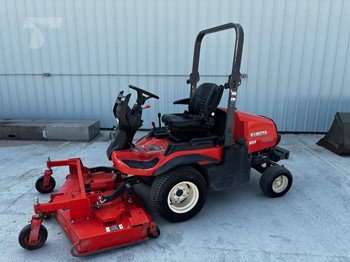
Your old mower is probably worth more than you think. A used mower that starts quickly, cuts evenly, and has some life left in the deck is exactly what many buyers are searching for in 2026. Whether you upgraded to a newer model, moved to a smaller yard, or just want the garage space back, the question “who buys used lawn mowers near me?” has a straightforward answer: more people than you might expect.
Lawn crews, weekend gardeners, equipment dealers, rental companies, and even schools all shop the used market before paying full retail. This guide explains who is most likely to buy your mower, where to find them, what affects your asking price, and how to get the best deal without wasting time. For more on this, see our guide on best gas lawn mower for large yard.
Who Actually buys used lawn mowers?
The type of buyer you choose determines how fast you sell and how much you get. A private homeowner will usually pay more than a dealer, but a dealer will close the sale much faster. Knowing the difference helps you pick the right path from day one.
| Buyer type | What they want | Best for |
|---|---|---|
| Lawn care and landscaping crews | Work-ready mowers, easy repairs | Fast cash sale |
| Individual homeowners and gardeners | Simple, reliable mowers at a fair price | Highest private sale price |
| Secondhand dealers and repair shops | Fixer-uppers, popular brands | Quickest, no-hassle sale |
| Schools, property managers, churches | Durable used commercial equipment | Steady demand outside peak season |
Lawn Care and Landscaping Companies
Small lawn care businesses regularly buy used mowers to expand their crew or replace a broken machine. They are not looking for showroom condition; they want something that starts and runs reliably for a season or two. A well-maintained mower with visible service records is a strong selling point. For more on this, see our guide on best mower small lawn safe operation.
Many local landscapers search Facebook Marketplace and Craigslist before buying new equipment. If you can let them hear it run and test it on a patch of grass, you will stand out. Small landscaping companies often look for lightly used professional-grade hardware rather than new machines, because a dependable second mower can cover more jobs without a big investment.
Individual Homeowners and Gardeners
Most private buyers are homeowners who want a decent mower without paying new retail prices. They tend to prefer simple, familiar models such as push mowers, self-propelled walk-behinds, and mid-size riders. They are often willing to travel a short distance if the price is fair and the mower looks clean. For more on this, see our guide on best lawn mower for medium yard.
Private buyers usually pay more than dealers because they plan to use the mower themselves instead of reselling it. The trade-off is time. You may need to answer messages, meet for test starts, and handle a few no-shows before the right buyer appears.
Secondhand Dealers and Repair Shops
Equipment dealers and small engine repair shops buy used mowers to refurbish and resell. They will often make an offer within minutes and show up with cash and a trailer. That level of convenience comes with a lower price, sometimes significantly lower, because the dealer needs to cover repairs, parts, and profit. For more on this, see our guide on best electric lawn mower for small yard.
Repair shops can also be valuable connections. They may know a customer who is already looking for a used mower. Some shops sell on consignment, meaning they list it for you and take a commission when it sells. That option gives you access to their regular customer base without the hassle of dealing with strangers yourself.
Schools, Property Managers, and Institutions
Churches, HOAs, schools, and property management companies also buy used commercial mowers. Their budgets often force them to look for dependable equipment at used prices. It is not unusual for a school district or church grounds crew to buy a secondhand mower for routine maintenance. For more on this, see our guide on best way to advertise lawn care.
These buyers are usually serious, pay with a business check or card, and rarely haggle over small amounts. They need machines built for campus work rather than residential lawns, so a solid commercial mower with a clean history will get attention.
Where To Find Used Lawn Mower Buyers Near You
Finding buyers is less about searching and more about listing in the right places. Start with the platforms and locations that local buyers actually check.
Online Marketplaces and Community Groups
Facebook Marketplace, Craigslist, OfferUp, and Nextdoor are still the biggest local channels for used lawn equipment. The search term “used lawn mower near me” runs constantly during spring and summer, and these platforms show your listing to buyers within a set radius.
Take photos in daylight, show the mower from every angle, and write a headline that includes the brand, model, and type. A clear listing with honest details will outperform a vague one with blurry garage photos.

Credit: www.kijiji.ca
Specialist Equipment Sites and Auctions
Beyond the general classifieds, there are equipment listing sites that attract more serious buyers. Dealer marketplaces, online farm auctions, and local equipment auctions put your mower in front of people who already understand what it is worth. This approach works especially well for riding mowers, zero-turn mowers, and older commercial models.
Specialist buyers are often less risky to deal with because they know what to expect from a used machine. They are also more likely to arrange pickup quickly and pay the asking price if the mower matches the description.

Credit: www.marketbook.ca
Local Repair Shops and Consignment Counters
Not every buyer searches online. Some walk into a small engine repair shop and ask whether anything good is for sale. If you build a relationship with a local shop, you may be able to leave your mower with them on consignment or ask them to pass your number along to anyone looking.
Some repair shops buy non-running mowers outright for parts. That can be a quick exit if your mower has a mechanical problem you do not want to fix.
Farm Auctions, Swap Meets, and Trade Shows
Farm auctions and lawn and garden swap meets attract a completely different type of buyer. People go to these events ready to buy, and they usually bring trailers. If you live in a rural area, a local farm auction can move a mower quickly. In suburban areas, town-wide garage sales and community swap meets have the same effect.
What Determines Your Used Mower's Sale Price
Before you set a number, look at the factors that drive value. Two mowers from the same year can sell for very different amounts depending on condition, maintenance, and timing.
Condition, Age, and Hours
A mower that starts on the first pull is worth noticeably more than one that needs a tune-up. Buyers pay for certainty. If your mower has an hour meter, include that reading in the listing. If it does not, be honest about age and usage.
Visible rust, oil leaks, missing bolts, and worn tires all lower the price. A clean mower with a freshly sharpened blade tells buyers it was cared for. A mower covered in dried grass and sitting in a dark corner tells them the opposite.
Brand, Model, and Parts Availability
Some brands resell better than others because parts are easy to find and local mechanics know how to work on them. Buyers also trust familiar names for quality. Riding mower buyers have strong brand loyalty, and the major brand differences in dealer support and parts availability can shift what they will pay.
Less common brands are not necessarily bad, but they sell more slowly. A unique or discontinued model may appeal to a collector, but it will not pull the same offers from practical buyers who just want a reliable machine.
Demand by Season
Lawn mowers are seasonal, and pricing follows demand. Spring and early summer are the strongest months because grass is growing fast and broken mowers are forcing people to replace them. Late summer is still active in many regions, but fall and winter demand drops sharply.
There is one exception: mowers with baggers become more attractive in autumn to homeowners who want help collecting fall leaves. If you missed the spring window, a clean mower with a working bagger can still sell well before winter.
Attachments and Extras
Included extras can raise your price and attract more buyers. Original baggers, mulching kits, spare blades, replacement filters, owners manuals, and charging equipment for electric mowers all add value. These extras save the next owner money, and buyers know it.
Remove anything you plan to keep before taking photos. If the mower is listed with a bagger but shows up without one, you will lose trust and negotiation power.
Electric vs Gas: What 2026 Buyers Expect
The used market in 2026 includes far more battery mowers than it did a decade ago. Used gas mowers still sell well because many buyers prefer the simplicity and lower upfront cost. Electric mowers can also sell, but buyers are careful about battery condition and replacement cost.
If you are replacing a gas mower with quieter battery-powered options, do not let the old gas unit sit in the garage for another season. List it early. Include the charger, any spare batteries, and be honest about runtime and battery age.
How To Get The Best Deal Selling a Used Lawn Mower
A good price does not come from luck. It comes from preparation, honest listings, and knowing when to hold your ground.
Prepare It Like You Are the Buyer
Spend one hour on basic prep before you take any photos:
- Blow off grass and debris, then wipe down the body.
- Spend some time cleaning the underside, because a caked-on deck tells buyers the machine was stored wet and rusted.
- Sharpen the blade or install a fresh one.
- Change the oil and air filter if you can do it cheaply.
- Use fresh fuel so the mower starts on the first pull.
- Charge the battery and inflate the tires.
Small repairs such as replacing a pull cord, fuel line, or spark plug are worth doing before you list. Buyers are more willing to pay for a mower that is working today than one that “just needs a little work.”
Set a Price Using Real Market Data
Do not guess. Search your local listings for the same brand, model, and general condition. Look at what other sellers are asking, then check sold listings on auction sites to see what buyers actually paid.
If your goal is a quick sale, price slightly below the closest comparable active listing. If you are in no rush, list closer to the top of the range and leave room to negotiate. Avoid starting too high; in local classifieds, a mower that sits for two weeks starts attracting lowball offers.
Take Photos Worthy of the Listing
Good photos are the difference between ten replies and two. Use natural daylight and take photos from multiple angles:
- A front three-quarter view
- The control panel and handles
- The cutting deck
- The engine and hour meter
- The model and serial number tag
- Any included accessories
A short video of the mower starting and running is one of the most effective trust-builders. Buyers still get burned by broken machines, so proof that yours runs can justify a higher price.
Negotiate Without Getting Taken Advantage Of
Set a firm minimum price in your mind before the first message arrives. When a serious buyer makes a fair offer, decide whether the convenience is worth the difference. When someone makes a low offer, simply say “I can’t do that, but I appreciate the interest.”
Stay polite and confident. Serious buyers often show up with cash and a trailer. Before you hand over the mower, let them hear it run cold. If they want to test it, let them use it on an actual patch of grass.
Be careful with payment scams. If a buyer wants to overpay, send a cashier’s check, or use a strange shipping arrangement, slow down. Read the Federal Trade Commission’s warnings before you accept anything other than cash or a verified payment app.
Time Your Listing Around the Lawn Season
The best time to sell is before the season hits its peak. Buyers start searching before the grass is long, when they are planning their first spring cut. List the mower in late winter or very early spring to catch motivated buyers before the market floods with used machines.
If you missed spring, watch local weather. A warm stretch in early summer can bring a sudden burst of interest. A rainy week usually slows things down, so do not judge your listing’s value by a wet Tuesday.
Alternatives to Selling Locally
If local buyers are slow, you still have solid options.
Online Auctions
Selling through an online auction puts your mower in front of a national audience. This works especially well for collectible or commercial mowers that have limited local appeal. Use the platform’s “sold items” filter to see what similar machines actually bring before setting a reserve.
Shipping a push mower is simple. Shipping a large riding mower is harder, but freight services that handle palletized lawn equipment are common in 2026.
Trade-In Programs
Many power equipment dealers accept used mowers as trade-ins when you buy something new. Trade-ins are fast and convenient, but the dealer needs to make a margin on resale, so you will usually receive less than a private sale.
Ask whether the store resells trade-ins or sends them to auction. If they have a service department, a clean, running mower may get you a better trade-in value.
Donation
If the mower still works and you simply want it gone, donate it. Local churches, community gardens, youth programs, and schools sometimes accept working lawn equipment. If you donate to a qualified nonprofit, you may be able to deduct the fair market value on your taxes. Keep a signed receipt and check current tax rules before claiming anything.
Frequently Asked Questions
Who buys used lawn mowers near me?
Lawn care crews, landscaping companies, individual homeowners, secondhand dealers, repair shops, rental companies, and schools all buy used mowers. Online marketplaces like Facebook Marketplace, Craigslist, and OfferUp connect you with the largest pool of local buyers.
What is the best way to find buyers for a used mower?
List your mower on multiple platforms at the same time. Use local Facebook groups, Nextdoor, Craigslist, and specialist equipment sites. Take good photos, be honest about condition, and respond quickly to serious inquiries.
Can I sell a lawn mower thatdoes not run?
Yes, but expect a much lower price. A non-running mower still has value in parts, the engine block, wheels, deck, and frame. Dealers and repair shops are the most likely buyers, since they can fix it cheaply. Individuals also buy broken mowers if the price is low enough to justify the repair. Be transparent about what is wrong and let the buyer inspect it before paying.
Do I need to include my lawn mower's manual and accessories?
Only if you have them. Original manuals, spare blades, baggers, mulching kits, and oil bottles add value because the next owner avoids buying those separately. Include them in the photos and description. If an accessory is missing, do not mention it as included — buyers will notice at pickup.
What should I do if a buyer asks me to ship the mower?
Shipping a push mower is manageable; shipping a rider or zero-turn is expensive and risky. For large mowers, prefer local pickup. If you accept shipping, package the mower securely, drain fuel completely, and use a freight service that handles palletized equipment. Demand full payment before loading, and keep proof of shipping and sale records.
How do I avoid lawn mower sale scams?
Stick to cash or verified payment apps. Do not accept overpayments, checks that exceed the asking price, or third-party shipping arrangements. Meet in a public place if possible, and never hand over the mower before payment clears. If a deal feels rushed or too complicated, walk away. Trust your judgment over the pressure to close.
Conclusion
Selling a used lawn mower near you is a practical way to turn garage clutter into quick cash. The right buyer depends on your priorities: private homeowners pay the most but take time, while dealers and repair shops offer speed at a lower price. Schools, churches, and property managers add another steady source of demand.
Your asking price comes down to condition, maintenance history, brand, and the time of year. Clean the mower, sharpen the blade, take honest photos, and list it on multiple platforms before the spring peak. Price it against real local listings, stay firm on your minimum, and the right buyer will find you.
The market for used mowers in 2026 is active and broad. Whether you are selling a battered push mower for parts or a well-kept commercial zero-turn, your mower has value. List it well, time it right, and sell with confidence.





