
Have you ever wondered where spark plugs are located in your vehicle? You’re not alone.
Many car owners find themselves puzzled when it comes to understanding the inner workings of their engines. But knowing where your spark plugs are is essential for maintaining your car’s performance and fuel efficiency. This knowledge can save you time, money, and a lot of frustration.
Imagine being able to identify and solve minor car issues yourself, without always having to visit a mechanic. We’ll uncover the mystery of spark plug location, empowering you with the confidence to keep your car running smoothly. Stick with us, and you’ll soon discover how simple it can be to locate and inspect these crucial components.

Credit: www.tomorrowstechnician.com
Spark Plug Basics
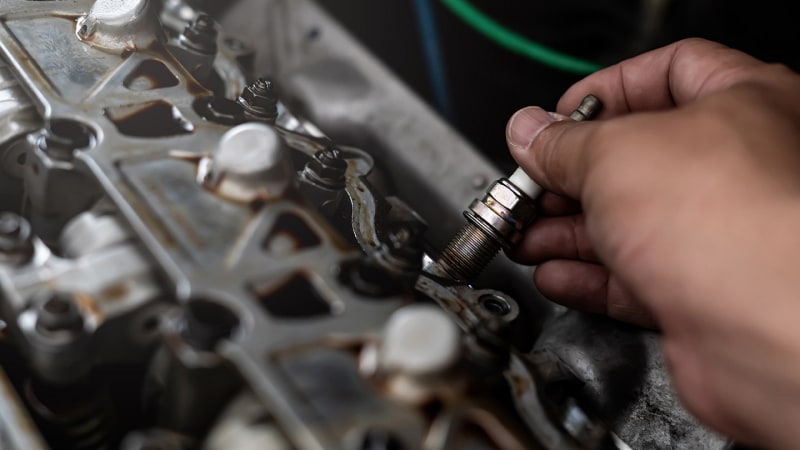
Understanding the basics of spark plugs is essential if you want to keep your engine running smoothly. These small components have a big job: igniting the air-fuel mixture inside your engine’s cylinders. Knowing their function and types can help you spot issues early and choose the right replacement when needed.
Role In Engine Performance
Your engine relies on spark plugs to create the spark that ignites the fuel and air mixture. Without a strong spark, your engine will struggle to start or run efficiently. A worn or dirty spark plug can cause misfires, lower fuel efficiency, and reduce power.
Think about the last time your car hesitated or felt sluggish—chances are, your spark plugs might have been the cause. Regularly checking them can prevent these issues and keep your engine firing on all cylinders.
Common Spark Plug Types
Spark plugs come in different types, each designed for specific engine needs. The most common types include:
- Copper Spark Plugs:Offer excellent conductivity but wear out faster. They are budget-friendly and work well for older engines.
- Platinum Spark Plugs:Last longer than copper and provide better performance. They are a good choice for newer vehicles.
- Iridium Spark Plugs:Known for durability and strong spark performance. Ideal if you want long-lasting plugs that handle high-performance engines.
Have you checked what type of spark plugs your vehicle uses? Matching the right type can improve your engine’s efficiency and lifespan.
Credit: www.chase.com
Typical Spark Plug Locations
Spark plugs play a key role in your vehicle’s engine. Their location depends on the engine type. Knowing where to find them helps with inspection and replacement. Below are typical spark plug placements in different engine designs.
Placement In Inline Engines
Inline engines have cylinders arranged in a straight line. Spark plugs are usually on the top or side of each cylinder. They are easy to spot along the cylinder head. This layout offers simple access for maintenance.
Placement In V-shaped Engines
V-shaped engines have two cylinder banks forming a “V.” Spark plugs sit on the inner or outer side of each bank. This means plugs may be harder to reach. Often, you find them near the top of each cylinder head.
Placement In Boxer Engines
Boxer engines have cylinders lying flat in two opposing banks. Spark plugs are on the top side of each cylinder. Because of the flat layout, plugs face upward or slightly outward. This makes access easier than in V-shaped engines.
Tools Needed To Locate Spark Plugs
Locating spark plugs can seem tricky if you don’t have the right tools. Having the proper equipment not only makes the job easier but also prevents damage to your engine parts. Let’s look at what you need to get started confidently.
Essential Hand Tools
To find and access spark plugs, you’ll need a few basic hand tools. A ratchet wrench with a spark plug socket is crucial because spark plugs often sit deep in the engine block.
- Spark Plug Socket:This specialized socket has a rubber insert to grip the plug securely without breaking it.
- Extension Bar:Helps reach spark plugs tucked away in tight engine spaces.
- Socket Wrench:Provides the leverage needed to loosen or tighten spark plugs.
- Flathead or Phillips Screwdriver:Useful for removing engine covers or components blocking access.
Imagine trying to remove a spark plug without the right socket—it could slip or strip the plug. The right hand tools save you from unnecessary frustration and potential engine damage.
Safety Gear
Safety should never take a back seat. Handling engine parts can expose you to hot surfaces, sharp edges, and harmful chemicals.
- Gloves:Protect your hands from burns, cuts, and grease.
- Safety Glasses:Shield your eyes from dust, debris, or accidental splashes.
- Long Sleeve Shirt:Adds an extra layer of protection for your arms.
Have you ever experienced a sudden splash of engine oil or coolant? Wearing safety gear helps you avoid such surprises and keeps your focus on the task.
Step-by-step Guide To Finding Spark Plugs
Finding the spark plugs in your car is easier than it seems. This guide walks you through the process clearly and simply. Knowing where spark plugs sit helps with basic car care and saves money on repairs.
Follow these clear steps to find your spark plugs with confidence. Each step focuses on a key part of the engine to spot the spark plugs quickly. No special tools needed, just some attention and care.
Opening The Hood
Start by opening the car’s hood carefully. Look for the hood release inside the car, usually near the driver’s seat. Pull the lever to unlock the hood.
Go to the front of the car and lift the hood. Use the safety catch to keep it open. Always place the hood prop rod to hold the hood steady. This gives clear access to the engine.
Identifying Spark Plug Wires Or Coils
Look for thick wires or coil packs on the engine. Spark plug wires are usually thick and rubber-coated. They connect to the top of the engine.
Newer cars often use coil-on-plug systems. These coils sit directly on top of each spark plug. They look like small black boxes or cylinders with wires attached.
Follow these wires or coils carefully. They lead straight to the spark plugs hidden below.
Locating Spark Plugs On Different Engines
Engines come in many shapes and sizes, but spark plugs are always near the top. On inline engines, spark plugs line up in a row along the cylinder head.
V-type engines have two rows of spark plugs, one on each side of the engine. Look for wires or coils on both sides.
Some engines hide spark plugs under engine covers. Remove these covers by unscrewing or unclipping them. This reveals the spark plugs and their wires.
Remember, spark plugs sit inside the engine block, connected by wires or coils. Spotting these parts is key to locating the spark plugs easily.
Tips For Easier Spark Plug Access
Accessing spark plugs can be tricky in some vehicles. Clear space makes the job easier and faster. Follow simple tips to improve access and avoid frustration. These tips help save time and reduce errors during spark plug replacement.
Removing Engine Covers
Many cars have plastic or metal engine covers. These covers protect parts but block access to spark plugs. Removing the cover creates more room to work.
- Locate the screws or clips holding the cover.
- Use a proper screwdriver or socket wrench to remove them.
- Keep all fasteners in a safe place to avoid loss.
- Lift the cover gently to avoid breaking clips.
Removing the engine cover reveals the spark plugs and ignition coils. It improves visibility and hand movement space.
Dealing With Tight Spaces
Spark plugs often sit in narrow, hard-to-reach spots. Tight spaces make wrench use difficult. These tips help manage limited room.
- Use a spark plug socket with a swivel or extension.
- Try a flexible ratchet for better angle control.
- Remove any nearby components blocking access if possible.
- Work slowly to avoid dropping tools or parts.
Patience and the right tools reduce frustration in tight spaces. Proper lighting and a mirror can also help spot the plugs easily.
Common Challenges And Solutions
Dealing with spark plugs can sometimes be tricky. You might think locating them is the hardest part, but challenges often come after you find them. Understanding common issues and how to fix them saves time and frustration.
Hidden Or Covered Spark Plugs
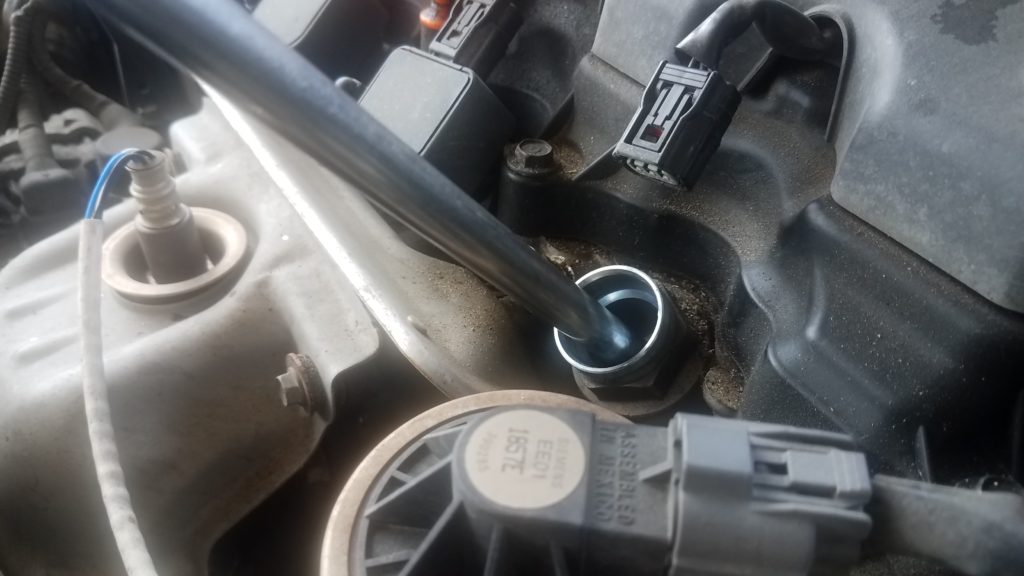
Not all spark plugs are easy to spot. In many cars, they hide beneath engine covers, air intake manifolds, or other components. You may need to remove these parts carefully to reach the plugs without causing damage.
Sometimes, the plugs are deep inside the engine block. This location can make access tight and tools hard to maneuver. Have you ever struggled with a spark plug that felt like it was buried forever?
- Check your vehicle’s manual for exact spark plug locations.
- Use the right tools, such as a spark plug socket with an extension.
- Take pictures before removing covers to help with reassembly.
Patience is key. Rushing can lead to broken parts or stripped bolts, increasing repair costs.
Corroded Or Stuck Spark Plugs
Corrosion is a common enemy of spark plugs. If your plugs have been in place for years, rust and carbon buildup might cause them to stick. This makes removal difficult and risks breaking the plug inside the engine.
I once faced a stuck spark plug that wouldn’t budge despite using plenty of force. Applying penetrating oil and letting it sit overnight finally loosened it. Have you tried letting corrosion-fighting sprays work their magic before forcing the plug out?
- Spray penetrating oil around the plug base and wait several hours.
- Use a breaker bar for extra leverage instead of just a ratchet.
- If the plug feels too tight, try gently rocking it back and forth instead of turning only one way.
Proper spark plug maintenance prevents corrosion buildup. Regular inspections and timely replacements keep your engine running smoothly and make future spark plug removal easier.
When To Seek Professional Help
Knowing when to seek professional help with your spark plugs can save you time, money, and frustration. While some spark plug issues are easy to spot and fix, others require expert knowledge and tools. Recognizing the signs that go beyond basic maintenance ensures your vehicle runs smoothly and safely.
Signs Of Spark Plug Trouble You Shouldn’t Ignore
If your engine is misfiring, idling roughly, or struggling to start, these are clear indicators that your spark plugs might be failing. You might also notice decreased fuel efficiency or unusual engine noises. When these symptoms appear, it’s a strong signal to get a professional inspection.
Complex Engine Designs And Accessibility
Modern cars often have spark plugs located in hard-to-reach places under various engine covers and components. Trying to remove or replace spark plugs without the right tools or knowledge can lead to damage. If you find the spark plugs are hidden or difficult to access, it’s best to let a mechanic handle the job.
Specialized Tools And Techniques Required
Proper spark plug replacement involves using torque wrenches and gap gauges to ensure the plugs fit perfectly. Incorrect installation can cause engine damage or poor performance. If you don’t have the right equipment or aren’t confident in your skills, a professional mechanic can do the job correctly the first time.
Dealing With Persistent Issues After Replacement
Sometimes, even after replacing spark plugs, problems like engine hesitation or poor acceleration persist. This might indicate other underlying issues such as ignition coil failure or fuel system problems. When basic spark plug replacement doesn’t fix your car’s issues, seeking expert diagnosis is crucial.
Safety Considerations And Warranty Concerns
Working on your vehicle’s ignition system involves risks, including burns or electric shocks. Additionally, DIY repairs can sometimes void your vehicle’s warranty. If you want to avoid safety hazards or protect your warranty, professional service is the safer choice.
Credit: www.carparts.com
Frequently Asked Questions
Where Are Spark Plugs Located In A Car Engine?
Spark plugs are found on the cylinder head of an engine. They screw into the engine block and ignite the air-fuel mixture for combustion.
How Can I Find Spark Plugs In My Vehicle?
Locate the engine’s cylinder head, usually beneath the ignition coils or wires. Spark plugs sit threaded into the cylinder head.
Are Spark Plugs Easy To Access And Replace?
Accessibility depends on the vehicle model. Many spark plugs are reachable, but some may require removing engine covers or components.
How Many Spark Plugs Does A Typical Engine Have?
Most engines have one spark plug per cylinder. For example, a 4-cylinder engine has four spark plugs.
Conclusion
Spark plugs sit in the engine’s cylinder head. They help start the engine by creating a spark. Most cars have one spark plug per cylinder. You can find them by looking under the hood. Knowing their location helps with basic car care.
Regular checks keep your engine running smooth. Replacing old spark plugs improves fuel efficiency. Easy to spot, they are small but important parts. Keep an eye on them to avoid engine trouble. Understanding spark plug location saves time and money.
Simple knowledge, big impact on your car’s health.





