
Are you ready to tackle that unresponsive lawn mower sitting in your garage? If your once-trusty machine has become less reliable, the culprit might be a tiny but crucial component: the spark plug.
You might be wondering, “Where is the spark plug in my lawn mower? ” Understanding its location is the first step in getting your mower back to its prime. We’ll guide you to the spark plug’s exact spot, ensuring you can easily access and maintain it.
Don’t let a minor part keep you from a perfectly manicured lawn. Stick around, and we’ll get your mower running smoothly in no time.
Credit: www.searspartsdirect.com
Role Of The Spark Plug
The spark plug plays a vital role in the lawn mower’s engine. It creates the spark needed to ignite the fuel mixture. Without this spark, the engine will not start or run properly.
The spark plug also helps maintain smooth engine performance. It ensures efficient combustion, which affects power and fuel use. Understanding its role can help in lawn mower maintenance and troubleshooting.
How Spark Plug Works
The spark plug delivers an electrical spark inside the engine’s cylinder. This spark lights the air and fuel mix. The explosion from this ignited mix powers the piston, moving the engine.
The spark happens at a precise time during the engine cycle. The spark plug must handle high voltage and heat. Its design allows it to create a consistent spark under tough conditions.
Importance In Lawn Mower Engine
The spark plug is key to starting the lawn mower engine. It also keeps the engine running smoothly. A faulty spark plug can cause hard starts, rough running, or no start at all.
Regular spark plug checks help maintain engine health. Clean and properly gapped plugs improve fuel efficiency and reduce emissions. Replacing worn spark plugs ensures reliable engine performance over time.
Credit: www.familyhandyman.com
Common Spark Plug Locations
Finding the spark plug on your lawn mower is key to keeping it running smoothly. Spark plugs are usually easy to spot once you know where to look, but their position depends on the engine type. Knowing these common spark plug locations can save you time and frustration during maintenance.
On Vertical Shaft Engines
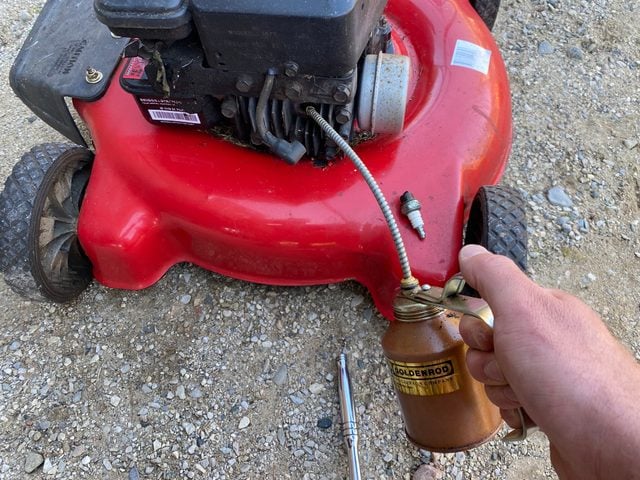
Vertical shaft engines have the crankshaft running up and down. Here, the spark plug is typically located on the top or side of the engine cylinder head. It often sticks out just below the air filter or fuel tank, making it fairly accessible.
Think about your last mower check-up. Did you notice a small metal piece with a wire attached near the top? That’s usually the spark plug. It’s designed for easy removal, so you can replace it without taking apart much.
On Horizontal Shaft Engines
Horizontal shaft engines have the crankshaft running parallel to the ground. In these engines, the spark plug is often found on the side of the engine block, sometimes near the flywheel or opposite the blade attachment.
It might be a bit harder to spot here, especially if the engine is covered by a casing. You may need to look around the engine’s sides and check behind the blower housing. Remember, a clean spark plug location means easier maintenance and longer engine life.
Steps To Locate The Spark Plug
Locating the spark plug in your lawn mower is easier than you might think. Knowing exactly where it is can save you time and frustration during maintenance or troubleshooting. Let’s break down the steps that will help you find it quickly and safely.
Safety Precautions
Before you start looking for the spark plug, make sure the mower is completely off. Disconnect the spark plug wire to prevent accidental starts, which can cause serious injury. Also, allow the engine to cool down if you’ve recently used the mower—hot parts can burn your hands.
Tools Needed
Having the right tools on hand makes the process smoother. You will typically need:
- A spark plug socket or a wrench that fits the spark plug size
- A flashlight to see into tight engine spaces
- A rag or small brush to clean around the plug before removal
These tools help you avoid damaging the spark plug or the surrounding components.
Visual Inspection Tips
Look for a thick wire attached to a small, metal cylinder on the engine block. The spark plug usually sits near the top or side of the engine, with the wire leading directly to it. If your mower has a plastic cover, check if it’s removable—sometimes the spark plug is hidden underneath.
Notice any signs of dirt or corrosion around the area; cleaning it first can prevent debris from falling into the engine when you remove the plug. Have you ever tried to find a spark plug without clearing the grime first? It often makes the task frustrating and messy.
Removing And Inspecting The Spark Plug
Removing and inspecting the spark plug is an important task for lawn mower maintenance. It helps ensure the engine runs smoothly and starts easily. Regular checks can prevent problems and improve mower performance.
Start by carefully removing the spark plug. Then, check it for dirt, wear, or damage. Cleaning or replacing the spark plug can save time and money on repairs.
Disconnecting The Spark Plug Wire
Find the spark plug wire connected to the spark plug’s top. Hold the boot firmly and pull it straight off. Avoid pulling the wire itself to prevent damage. Set the wire aside safely to avoid contact with the plug.
Using A Spark Plug Wrench
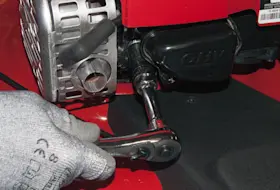
Use a spark plug wrench or a deep socket wrench to loosen the spark plug. Turn the wrench counterclockwise carefully. Remove the spark plug by hand once it is loose. Place it on a clean surface for inspection.
Checking For Wear And Damage
Look closely at the spark plug’s electrode and insulator. Check for:
- Carbon build-up or black soot
- Cracks or chips on the ceramic insulator
- Worn or rounded electrode edges
- Oil or fuel deposits
Any of these issues may reduce the spark plug’s effectiveness. Clean the plug with a wire brush or replace it if damaged. A good spark plug is key for proper engine ignition.
Replacing The Spark Plug
Replacing the spark plug in your lawn mower is key to keeping it running smoothly and efficiently. A worn or faulty spark plug can cause hard starts, rough idling, and even poor fuel economy. Knowing how to choose the right spark plug and install it correctly saves you time and prevents damage to your mower’s engine.
Choosing The Right Spark Plug
Not all spark plugs are created equal. Your mower’s manual usually lists the exact type you need, including the heat range and gap size. Using the wrong spark plug can lead to engine misfires or overheating.
Look for a spark plug that matches the brand and model of your mower. Brands like Champion, NGK, and Briggs & Stratton offer reliable options. If you’re unsure, ask at your local hardware store or check online forums for recommendations specific to your mower model.
Proper Installation Techniques
Before installing the new spark plug, clean the area around the plug hole to prevent dirt from falling inside the engine. Use a spark plug socket and ratchet for removal and installation to avoid damaging the plug.
Hand-thread the spark plug first to avoid cross-threading. Once it’s snug, tighten it with a wrench but avoid over-tightening. Over-tightening can strip the threads or crack the plug insulator, causing more problems down the road.
Torque Specifications
Torque matters more than you might think when installing a spark plug. Too loose and it may cause poor compression or spark leakage. Too tight and you risk damaging the engine or the spark plug itself.
| Engine Size | Recommended Torque |
|---|---|
| Small Engines (Under 5 HP) | 100 to 150 in-lbs (8.3 to 12.5 ft-lbs) |
| Medium Engines (5 to 10 HP) | 150 to 200 in-lbs (12.5 to 16.7 ft-lbs) |
If you don’t have a torque wrench, aim for a firm feel—tighten until the spark plug is snug, then give it an additional 1/4 turn. Have you ever faced issues after installing a spark plug? Checking torque could be the simple fix you missed.
Troubleshooting Spark Plug Issues
Troubleshooting spark plug issues is key to keeping your lawn mower running smoothly. A faulty spark plug can cause starting problems and poor engine performance. Knowing how to spot issues early helps save time and money.
Understanding the signs of a bad spark plug helps you act before major damage occurs. Common problems often have simple fixes. Knowing when to replace the spark plug ensures your mower runs at its best.
Signs Of A Faulty Spark Plug
- Engine struggles to start or won’t start at all
- Engine runs rough or stalls frequently
- Loss of power during mowing
- Increased fuel consumption
- Black or sooty deposits on the spark plug
Common Spark Plug Problems
- Carbon fouling from dirty fuel or incorrect air mixture
- Worn electrodes causing weak spark
- Cracked porcelain insulator
- Oil fouling from engine oil leaks
- Loose or corroded spark plug connections
When To Replace
Replace the spark plug if signs of wear or damage appear. Follow your mower’s manual for replacement intervals. Regular checks every season improve reliability. Use the correct spark plug type for your engine. A new spark plug restores easy starting and smooth running.
Maintenance Tips For Longevity
Maintaining the spark plug in your lawn mower is key to keeping the engine running smoothly and extending its lifespan. Paying attention to simple upkeep tasks can save you from costly repairs and frustrating breakdowns. Let’s look at practical ways you can care for the spark plug to boost your mower’s performance.
Regular Cleaning
Dirt and debris can easily build up on the spark plug, causing misfires and hard starts. Use a wire brush or spark plug cleaner to gently remove carbon deposits. Make sure the plug is completely dry before reinstalling it to avoid moisture-related issues.
Have you noticed your mower struggling to start after a few uses? Cleaning the spark plug might be the fix you need. It’s a quick task that can make a big difference in engine efficiency.
Checking Gap Settings
The gap between the spark plug’s electrodes affects the spark’s strength and timing. Use a spark plug gap tool to measure this distance and adjust it according to your mower’s manual. An incorrect gap can cause weak sparks or engine misfires.
Even if your spark plug looks fine, a wrong gap setting can silently reduce performance. Checking and adjusting the gap is a small step that ensures every spark counts.
Seasonal Checks
Before storing your mower for winter or after a long period of use, inspect the spark plug carefully. Look for signs of wear like cracks or heavy deposits, and replace the plug if necessary. Seasonal checks help you catch problems before they cause damage.
Think about your last mowing season—did your mower start easily every time? Regular seasonal checks help maintain reliability, so you’re never caught off guard when the grass needs cutting.

Credit: www.reddit.com
Frequently Asked Questions
Where Is The Spark Plug Located On A Lawn Mower?
The spark plug is usually near the engine cylinder head. It is attached to a thick wire called the ignition wire. Look for a small metal component with a ceramic insulator.
How Do I Find The Spark Plug In My Mower Engine?
Check near the engine’s top or side. The spark plug has a wire connected to it. Refer to your mower’s manual for exact location and identification.
Can I Easily Access The Spark Plug On Lawn Mowers?
Most lawn mowers have the spark plug accessible without tools. Some models may require removing a cover or panel for access.
Why Is The Spark Plug Important In Lawn Mowers?
The spark plug ignites the fuel-air mixture inside the engine. It ensures the mower starts and runs smoothly. A faulty spark plug can cause poor performance.
Conclusion
Finding the spark plug in your lawn mower is easier than you think. It sits near the engine, usually on the side or top. Knowing its location helps you keep the mower running well. Cleaning or replacing the spark plug can fix many engine problems.
Regular checks save time and money on repairs. Keep your mower ready for the next cut. Simple steps make lawn care smoother and more efficient. Remember, a healthy spark plug means a healthy lawn mower.





