Ever popped the hood of your car and wondered where on earth the spark plug is hiding? You’re not alone.
Many car owners find themselves scratching their heads trying to locate this tiny but crucial component. It’s not just about knowing where it is; understanding its role can save you time, money, and a whole lot of frustration. Whether your car is sputtering at start-up or you’re just curious, knowing how to find your spark plug is essential.
Stick around, and we’ll guide you through it step by step, making sure you feel like a car expert in no time. Trust us, by the end of this article, you’ll be more than ready to tackle this on your own.
Credit: www.blackcircles.com
What Spark Plugs Do
Spark plugs play a crucial role in your car’s engine, yet many drivers don’t fully understand what they actually do. These small components ignite the air-fuel mixture inside the engine’s cylinders, creating the explosion needed to power your vehicle. Without spark plugs working correctly, your car simply won’t start or run efficiently.
Igniting The Air-fuel Mixture
Each spark plug generates a tiny spark at just the right moment to ignite the compressed air and fuel inside the engine cylinder. This spark causes a controlled explosion, which pushes the piston down and creates the power your car needs to move. The timing and strength of this spark are essential for smooth engine performance.
Supporting Engine Efficiency
Well-functioning spark plugs help your engine burn fuel more completely. This means better fuel economy and less pollution. If your spark plugs are worn out, your engine might misfire, wasting fuel and reducing power.
Contributing To Engine Longevity
Good spark plugs can extend the life of your engine by preventing misfires and rough running conditions. Misfires can cause damage over time, leading to costly repairs. Keeping your spark plugs in good shape is a simple way to protect your engine.
Helping Your Car Start Smoothly
Ever noticed your car struggling to start on a cold morning? Spark plugs are often the reason. They provide the initial spark needed to get the engine running quickly and reliably, no matter the weather.

Credit: www.youtube.com
Common Spark Plug Locations
Knowing where to find the spark plugs in your car is essential for basic maintenance like checking or replacing them. Spark plugs are small but powerful components that ignite the fuel-air mixture inside your engine. Their location can vary depending on your car’s engine design, but you can often spot them without too much trouble.
Under The Engine Cover
Many modern cars have a plastic engine cover that hides the spark plugs from plain sight. You’ll often need to remove this cover to access the plugs beneath. The cover is usually secured with a few bolts or clips, so keep a socket set handy.
Once removed, look for thick wires or ignition coils leading to the plugs. These wires connect the spark plugs to your car’s ignition system, making them easier to spot once the cover is off.
Near The Cylinder Head
Spark plugs are almost always screwed into the cylinder head of your engine. This is where the combustion happens, so it’s the perfect spot to deliver the spark. You’ll notice small, round holes or ports around the cylinder head where the spark plugs fit snugly.
If you’re unsure, trace the ignition wires—they usually end at the spark plugs embedded in the cylinder head. This helps especially when your engine’s layout is complex or tightly packed.
In Inline And V-shaped Engines
The layout of your engine affects where the spark plugs sit. Inline engines have all cylinders arranged in a single row, so the spark plugs line up on one side of the engine. This setup makes them relatively easy to find and access.
V-shaped engines, like V6 or V8, have cylinders arranged in two banks forming a “V.” Spark plugs are located on both sides, so you’ll find them on either bank of the engine. This design might require more effort to reach plugs on the inner sides.
Tools Needed To Find Spark Plugs
Finding the spark plugs in your car is easier when you have the right tools at hand. These tools help you locate, inspect, and even replace spark plugs without any guesswork. Having a clear set of tools ready can save you time and frustration during the process.
Basic Hand Tools
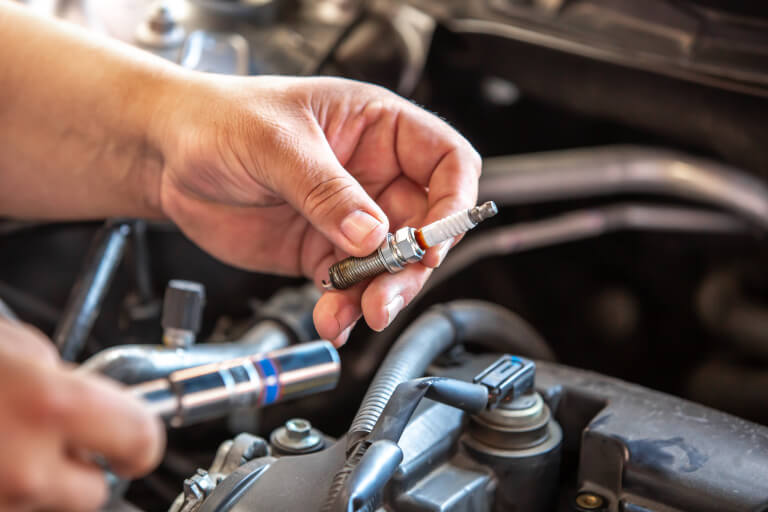
You’ll need some simple hand tools to get started. A ratchet wrench with the correct size socket is essential, usually 5/8 or 13/16 inches, depending on your car model. An extension bar can help reach deep into the engine bay.
Don’t forget a spark plug socket with a rubber insert or magnet to hold the plug securely. This makes removing and installing spark plugs much easier and safer.
Flashlight Or Work Light
Engines can be dark and cramped spaces. A bright flashlight or a compact work light helps you see clearly where the spark plugs are located. This simple tool can reduce mistakes and speed up the process.
Gloves And Safety Glasses
Handling engine parts means dealing with dirt, grime, and sometimes sharp edges. Wearing gloves protects your hands from cuts and burns. Safety glasses shield your eyes from debris and unexpected splashes.
Service Manual Or Vehicle Diagram
Every car is different. A service manual or an online vehicle diagram shows exactly where spark plugs are placed in your specific engine. This helps avoid confusion and ensures you’re working in the right spot.
Magnetic Pickup Tool
Ever dropped a small bolt or spark plug in the engine bay? A magnetic pickup tool saves you from digging around blindly. It’s a handy gadget that retrieves metal parts from hard-to-reach places.
Have you ever started a repair without the right tools and wished you had something simple that could make the job quicker? Gathering these essentials before you begin helps you stay focused and confident as you find your spark plugs.

Credit: www.carsales.com.au
Step-by-step Guide To Locate Spark Plugs
Locating spark plugs in a car might seem tricky. This guide breaks down the process into simple actions. Follow each step to find the spark plugs quickly and safely.
Open The Hood Safely
Start by releasing the hood latch inside your car. Pull it gently to avoid damage. Then, lift the hood carefully. Use the hood prop rod to keep it open. Make sure the engine is cool before touching anything.
Remove Engine Covers
Some cars have plastic covers over the engine. These covers hide the spark plugs. Look for clips or screws holding the cover. Remove them using a screwdriver or your hands. Set the cover aside in a safe place.
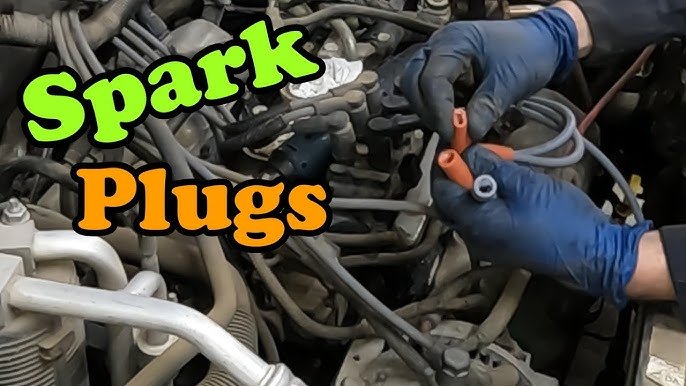
Trace Spark Plug Wires
Spark plug wires are thick and rubbery. They run from the ignition coil to the engine. Follow each wire from the coil to the engine block. This path leads you directly to the spark plugs.
Identify Spark Plug Boots
At the end of each spark plug wire is a spark plug boot. This boot covers the spark plug’s top. It looks like a small rubber cap. Gently pull the boot to check the spark plug underneath.
Tips For Different Car Models
Finding the spark plug in your car can feel like a small mystery, especially since different car models hide them in various spots. Knowing where to look based on your vehicle type saves time and frustration. Here are some practical tips tailored to common car models to help you locate the spark plug quickly.
Sedans And Compact Cars
In sedans and compact cars, spark plugs are usually easy to spot. They’re often located on the top or side of the engine block, connected to thick ignition wires.
Look for a set of wires leading into the engine—each wire ends at a spark plug. If you see a plastic or rubber cover labeled with the engine type, removing it may reveal the spark plugs underneath.
Have you tried checking under the hood near the engine’s center? That’s a common spot for these cars. Remember, these models usually have fewer cylinders, so fewer spark plugs to find.
Suvs And Trucks
SUVs and trucks often have larger engines, so spark plugs might be deeper inside the engine bay. They’re usually located along the cylinder heads, which can be harder to reach.
Don’t be surprised if you need to remove some engine covers or air intake components to get a clear view. Using a flashlight helps since these areas can be dark and cramped.
Think about the last time you checked your vehicle’s manual—does it show a diagram of the engine? That can be your best guide here, especially for bigger engines with more cylinders.
Hybrid And Electric Vehicles
Hybrid vehicles still use spark plugs, but their location can be less obvious due to additional components. Look near the gasoline engine part, usually tucked away behind electric modules.
Electric vehicles, however, do not have spark plugs since they don’t rely on combustion engines. If you own an EV and hear someone asking about spark plugs, you can confidently explain why they’re not needed.
Have you ever wondered how hybrid engines manage both electric and fuel systems? Spotting the spark plugs in these cars helps you understand this balance better.
Common Challenges And Solutions
Finding and servicing spark plugs can present some common challenges. These issues often arise due to car design or wear over time. Understanding these problems helps in handling them effectively. Below are frequent challenges and simple solutions.
Hard-to-reach Spark Plugs
Some cars have spark plugs located deep inside the engine. Tight spaces make access difficult. Use a spark plug socket with an extension to reach them.
Removing surrounding parts can create more room. Take care not to damage wires or hoses. Patience and the right tools make the job easier.
Worn Or Damaged Wires
Spark plug wires can wear out or break over time. Cracks or corrosion cause poor engine performance. Inspect wires carefully during maintenance.
Replace damaged wires with new ones matching your car model. Handle wires gently to avoid further damage. Good wires ensure a strong spark and smooth running engine.
Engine Layout Variations
Engine designs vary widely among car models. Some have spark plugs on top, others on the side or bottom. Learning your engine layout helps locate plugs faster.
Consult the car manual or online guides for exact locations. Knowing this saves time and reduces frustration. Each engine layout needs a slightly different approach to spark plug care.
When To Replace Spark Plugs
Knowing when to replace your car’s spark plugs is key to keeping your engine running smoothly. Spark plugs wear out over time and can cause your engine to misfire, use more fuel, or have trouble starting. Paying attention to signs and following maintenance schedules helps you avoid costly repairs down the road.
Signs Your Spark Plugs Need Replacement
You might notice your car is struggling to start or feels rough while idling. Poor acceleration and decreased fuel efficiency are also common red flags. If your engine is misfiring or hesitating when you press the gas, those are clear signals to check the spark plugs.
Manufacturer’s Recommended Replacement Intervals
Every car model has a suggested spark plug replacement interval, usually found in the owner’s manual. Many modern vehicles recommend replacing spark plugs between 30,000 and 100,000 miles depending on the type. Ignoring these guidelines can lead to reduced engine performance and increased emissions.
Impact Of Driving Conditions On Spark Plug Life
Driving in stop-and-go traffic or extreme weather can shorten the life of your spark plugs. Frequent short trips where the engine doesn’t fully warm up also accelerate wear. If your driving habits are tough on your car, consider checking spark plugs more often than the standard schedule.
How To Check Spark Plug Condition Yourself
Removing and inspecting spark plugs can reveal a lot about their health. Look for signs like carbon buildup, oil fouling, or worn electrodes. These issues indicate it’s time for a replacement and can help you avoid surprises during your next drive.
Frequently Asked Questions
Where Is The Spark Plug Located In A Car Engine?
The spark plug is usually found on the engine’s cylinder head. It screws into the combustion chamber, near the intake and exhaust valves. Its exact position varies by engine design but is generally accessible from the top or side of the engine.
How Can I Find The Spark Plug In My Car?
Check your car’s engine bay for thick wires leading to small cylindrical parts screwed into the engine block. These are the spark plugs. Consult the vehicle’s manual for exact locations, as some engines have plugs under covers or components.
Why Is The Spark Plug Important In A Car?
Spark plugs ignite the air-fuel mixture inside the engine cylinders. This ignition powers the engine, enabling the car to run smoothly and efficiently. Without functioning spark plugs, the engine will misfire or fail to start.
Can I Replace Spark Plugs Myself Easily?
Yes, replacing spark plugs is doable with basic tools and knowledge. Ensure the engine is cool, use a spark plug socket, and follow the car manual instructions. Proper gap settings and torque are essential for optimal performance.
Conclusion
Finding the spark plug in your car is easier than you think. It usually sits on top of the engine, connected by thick wires. Knowing its location helps with basic car care and saves time. Regular checks keep your engine running smoothly.
Keep this guide handy for quick reference. Simple steps make car maintenance less stressful. Now you know where to look, staying on top of your car’s health is easier. Small efforts lead to better driving performance.





