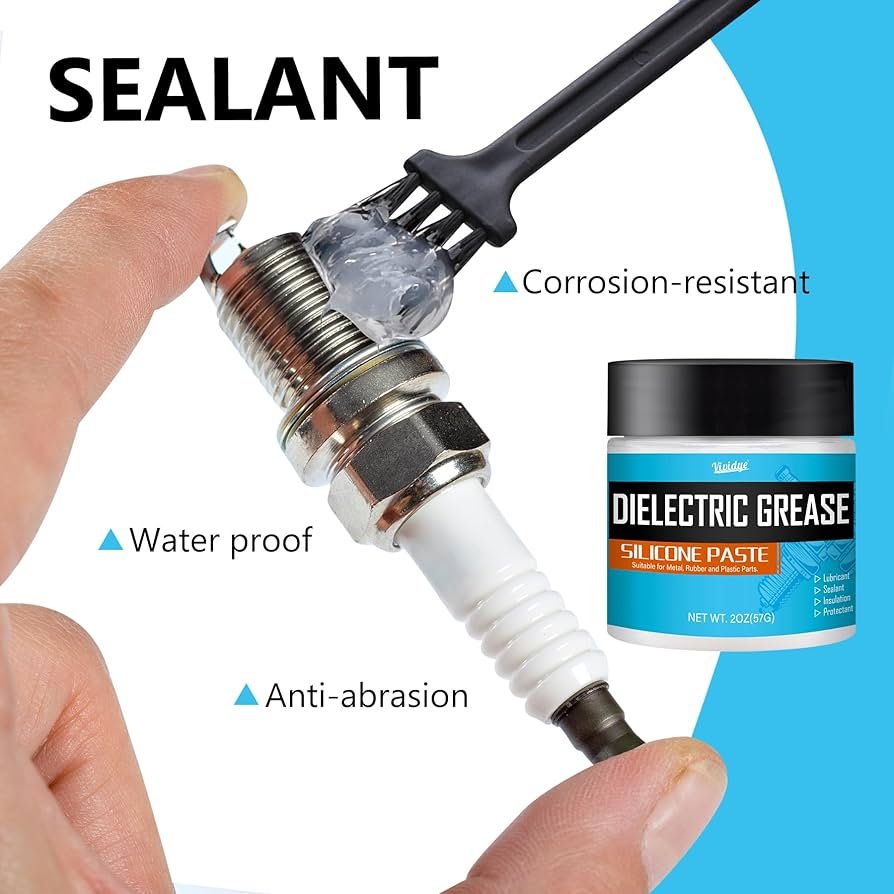
Are you wondering where exactly to apply dielectric grease on a spark plug? You’re not alone.
This small but mighty component plays a crucial role in ensuring the longevity and performance of your vehicle. Yet, many people are unsure about the correct application. Imagine driving with the peace of mind that comes from knowing your engine is protected against moisture and corrosion.
This article will guide you through the simple steps to correctly apply dielectric grease, enhancing your spark plug’s efficiency and your vehicle’s overall performance. Read on to discover how this easy maintenance task can save you time, money, and stress in the long run.
Purpose Of Dielectric Grease
Dielectric grease plays an important role in maintaining spark plug performance. It creates a protective barrier that keeps the spark plug dry and clean. This grease also helps improve the electrical connection between parts. Using dielectric grease correctly can extend the life of your spark plugs and improve engine reliability.
Preventing Moisture And Corrosion
Moisture can cause corrosion on spark plug surfaces. This leads to poor engine performance and misfires. Dielectric grease blocks water and dirt from entering the spark plug area. It seals the connection and stops rust from forming. This keeps the spark plug cleaner and working longer.
Enhancing Electrical Insulation
Dielectric grease improves the spark plug’s electrical insulation. It prevents electricity from leaking outside the spark plug connection. This ensures a strong spark for better engine ignition. The grease also reduces the chance of electrical shorts and misfires. It helps maintain a smooth flow of electricity in the ignition system.

Credit: www.lotustalk.com
Correct Application Areas
Applying dielectric grease correctly on a spark plug is key for better performance. It protects against moisture and corrosion. It also helps ensure a strong electrical connection. Knowing exactly where to apply the grease avoids damage and improves engine reliability.
Inside The Spark Plug Boot
Place a thin layer of dielectric grease inside the spark plug boot. This area is where the boot slides over the spark plug terminal. The grease acts as a seal to keep out dirt and water. It also prevents the boot from sticking to the terminal over time.
On The Spark Plug Terminal
Apply a small amount of grease on the metal terminal of the spark plug. This helps maintain a good electrical connection. The grease ensures the boot fits snugly on the terminal. It also stops corrosion that can cause poor conductivity.
Avoiding The Electrode And Threads
Never put dielectric grease on the spark plug electrode or threads. The electrode must stay clean for proper spark creation. Grease on the threads can interfere with heat transfer and cause damage. Keep these areas free of grease for safe engine operation.
Step-by-step Application Guide
Applying dielectric grease on a spark plug is a simple task. It helps protect the spark plug and boot from moisture and corrosion. This guide shows the correct way to apply the grease. Follow these clear steps to ensure a strong connection and longer spark plug life.
Cleaning The Components
Start by cleaning the spark plug and boot thoroughly. Remove any dirt, oil, or old grease. Use a clean cloth or a soft brush. Make sure the metal parts are dry before applying grease. Clean parts help the grease stick better and improve performance.
Applying The Grease Evenly
Take a small amount of dielectric grease on your finger or a cotton swab. Spread a thin, even layer inside the spark plug boot. Avoid putting grease on the spark plug electrode or threads. The grease should cover the inside surface only. This stops moisture and makes it easy to remove the boot later.
Reassembling The Spark Plug Boot
Carefully push the spark plug boot back onto the spark plug. Ensure it fits snugly and fully covers the plug. Twist the boot slightly to spread the grease evenly. Check the connection feels firm. A good seal keeps dirt and water out, protecting the spark plug and ignition system.

Credit: www.grease-ape.com
Common Mistakes To Avoid
Using dielectric grease on a spark plug can improve performance and protect parts. Yet, mistakes during application reduce its benefits. Avoiding common errors helps maintain engine health and spark plug efficiency. Learn about key mistakes to avoid for better results.
Using Too Much Grease
Applying too much dielectric grease causes problems. Excess grease can trap dirt and moisture. It may also make spark plug installation difficult. Use a small amount on the boot’s inside only. A thin layer works best to protect without causing issues.
Applying On The Spark Plug Electrodes
Never put dielectric grease on the spark plug electrodes. Grease blocks the spark needed for ignition. It reduces engine performance and causes misfires. Apply grease only inside the boot and on the wire connection. Keep the electrode clean and dry for proper function.
Neglecting Safety Precautions
Always follow safety steps when handling spark plugs and grease. Wear gloves to avoid skin contact. Work in a well-ventilated area. Ensure the engine is cool before starting. Proper safety prevents injuries and damage to parts.
Benefits Of Proper Use
Using dielectric grease correctly on your spark plugs offers several important benefits that directly impact your engine’s efficiency and longevity. It’s not just about preventing moisture; the right application can make a noticeable difference in how your vehicle runs. Let’s look at what you stand to gain when you apply dielectric grease properly.
Improved Spark Plug Performance
Dielectric grease creates a barrier that stops moisture and dirt from interfering with the spark plug’s electrical connection. This means your spark plugs fire more reliably, reducing misfires and rough idling.
Have you noticed your engine hesitating or stalling? Properly greased spark plugs can help smooth out these issues by ensuring a consistent spark every time. It also helps maintain the spark plug’s ability to conduct electricity efficiently, which can improve fuel combustion.
Extended Component Lifespan
Applying dielectric grease protects spark plug boots and connectors from corrosion and wear caused by heat and moisture. This protection reduces the risk of damage that would otherwise require frequent replacements.
Think of it as a shield that keeps your spark plug components in good shape longer. You save money on repairs and avoid the hassle of unexpected breakdowns. Plus, maintaining clean, well-greased connections helps your ignition system work at its best for years to come.

Credit: www.reddit.com
Frequently Asked Questions
Where Exactly Do You Apply Dielectric Grease On Spark Plugs?
Apply dielectric grease inside the spark plug boot where it contacts the spark plug. This prevents moisture and corrosion. Avoid putting grease on the actual spark plug electrode to maintain proper spark and ignition.
Can Dielectric Grease Improve Spark Plug Performance?
Yes, dielectric grease enhances spark plug performance by sealing out moisture and preventing electrical shorts. It ensures a better connection between the spark plug and ignition wire, improving reliability and reducing misfires.
Is It Safe To Use Dielectric Grease On Spark Plug Threads?
No, avoid applying dielectric grease on spark plug threads. Use anti-seize compound instead to prevent thread galling and ease future removal. Grease on threads can cause improper torque and damage engine components.
How Much Dielectric Grease Should Be Used On Spark Plug Boots?
Use a small amount of dielectric grease, just enough to coat the inside of the spark plug boot. Too much grease can cause boot slippage or attract dirt, reducing the effectiveness of the seal.
Conclusion
Applying dielectric grease on the spark plug boot improves the seal. It prevents moisture and dirt from causing problems. Avoid putting grease directly on the spark plug threads or electrodes. Use just a small amount on the inside of the boot.
This helps the boot slide on easily and stops corrosion. Proper use of dielectric grease keeps your engine running smoothly. It also makes future spark plug changes easier and cleaner. Remember, a little grease goes a long way to protect your spark plugs.





