Have you ever wondered where spark plugs go in your vehicle and why they matter so much? If you’re looking to understand how your engine fires up and keeps running smoothly, knowing the exact spot and role of spark plugs is key.
This simple part can make a big difference in your car’s performance, fuel efficiency, and even how often you need repairs. Keep reading, and you’ll discover exactly where spark plugs fit into your engine—and why paying attention to them can save you time and money down the road.
Role Of Spark Plugs
Spark plugs play a crucial role in your vehicle’s engine. They are small but mighty components that trigger the power needed to move your car. Understanding their role helps you appreciate why maintaining them is key to smooth driving and engine health.
How Spark Plugs Ignite The Engine
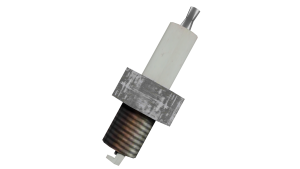
Spark plugs create a tiny electric spark inside the engine’s combustion chamber. This spark ignites the air-fuel mixture, causing a controlled explosion that powers the engine.
Without this spark, your engine wouldn’t start or run. The timing and strength of this spark are essential for efficient combustion. Poor spark plug performance can lead to misfires or difficulty starting your vehicle.
Impact On Vehicle Performance
Good spark plugs improve fuel efficiency and engine power. They ensure your engine burns fuel completely, which means you get more miles per gallon and smoother acceleration.
Worn or dirty spark plugs cause rough idling, reduced acceleration, and increased emissions. If you’ve ever felt your car hesitate or jerk while driving, faulty spark plugs might be the culprit.
Ask yourself: when was the last time you checked your spark plugs? Keeping them in good shape helps your vehicle run better and saves you money on fuel and repairs.

Credit: www.reddit.com
Locating Spark Plugs
Locating spark plugs in your vehicle is the first step to understanding how your engine works and performing basic maintenance. Knowing exactly where they sit can save you time and frustration during repairs or inspections. Let’s break down how to find them based on engine designs and simple identification tips.
Common Engine Layouts
Engines come in various configurations, which affects where spark plugs are placed. The most common layouts include:
- Inline Engines:Spark plugs are usually lined up on one side of the engine block.
- V Engines:Spark plugs are located on two banks, forming a V shape.
- Boxer or Flat Engines:Spark plugs sit on opposite sides, lying flat.
For example, in a typical 4-cylinder inline engine, you can find the spark plugs along the top or side of the engine. If you own a V6 or V8, expect two rows, which may require removing engine covers to see clearly.
Identifying Spark Plug Positions
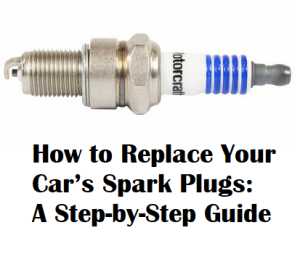
Spotting spark plugs can be easier than you think once you know what to look for. They are threaded into the engine’s cylinder head and usually have thick wires or ignition coils attached.
Here are some tips to identify their exact location:
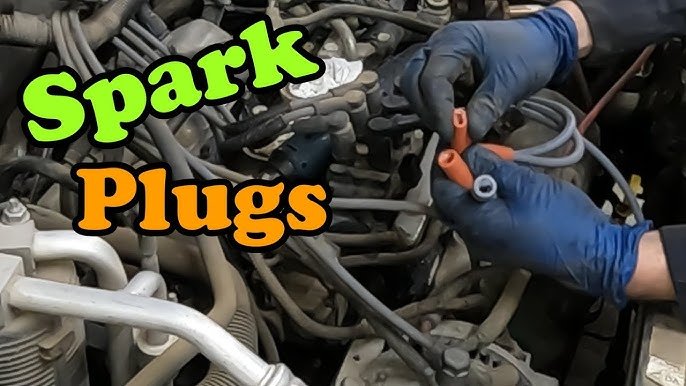
- Look for thick cables running from the distributor or ignition coil pack.
- Trace these cables to where they connect to the engine – that’s where the spark plugs are.
- Check for cylindrical metal parts with a hex shape – this is where you use a spark plug socket.
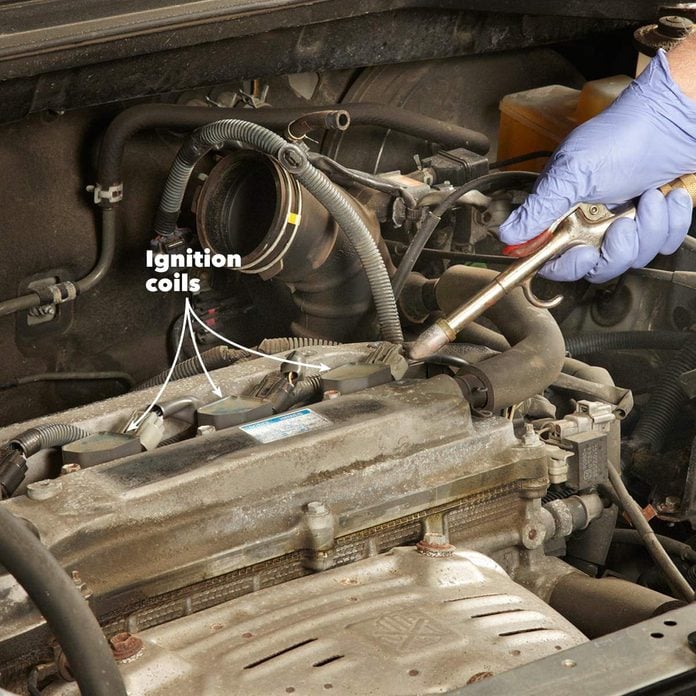
Remember, some modern engines have coil-on-plug systems, meaning you’ll see ignition coils directly on top of each spark plug. Have you ever tried tracing wires under your hood? It’s like following a roadmap to your engine’s heartbeat.
Types Of Spark Plugs
Spark plugs are crucial for starting your engine and keeping it running smoothly. They come in different types, each designed for specific needs and engines. Understanding these types helps you pick the right one for your vehicle. The main types include standard and iridium spark plugs. Each has unique features that affect performance, durability, and cost.
Standard Vs. Iridium
Standard spark plugs are the most common and affordable. They use a copper core and nickel alloy for the electrode. These plugs work well for older cars or those with simple engines. They provide reliable ignition but wear out faster than other types.
Iridium spark plugs use a fine iridium tip on the electrode. Iridium is a very hard metal, so these plugs last longer. They provide a stronger spark, which improves engine efficiency and fuel economy. Iridium plugs cost more but need less frequent replacement.
Choosing The Right Plug For Your Vehicle
Check your vehicle’s manual for the recommended spark plug type. Using the wrong plug can cause engine problems and reduce performance. Consider the engine type, driving style, and budget.
- Standard plugs suit older or low-performance engines.
- Iridium plugs fit newer, high-performance, or fuel-efficient engines.
- Replace plugs at intervals advised by the manufacturer.
Choosing the right spark plug keeps your engine healthy and saves money on repairs.
Credit: www.youtube.com
Replacing Spark Plugs
Replacing spark plugs is a key part of keeping your engine running smoothly. Over time, spark plugs wear out and can cause misfires, poor fuel economy, or rough idling. Changing them yourself can save money and give you a better understanding of your vehicle’s health.
Tools Needed
- Spark plug socket:A deep socket with a rubber insert to grip the plug safely.
- Ratchet wrench:To turn the spark plug socket.
- Extension bar:Helps reach plugs in tight spaces.
- Torque wrench:Ensures plugs are tightened to the correct specification.
- Gap gauge:Measures the spark plug gap for proper firing.
- Anti-seize compound:Optional, to prevent plugs from sticking in the cylinder head.
- Compressed air or brush:To clean debris around the plugs before removal.
Step-by-step Replacement Process
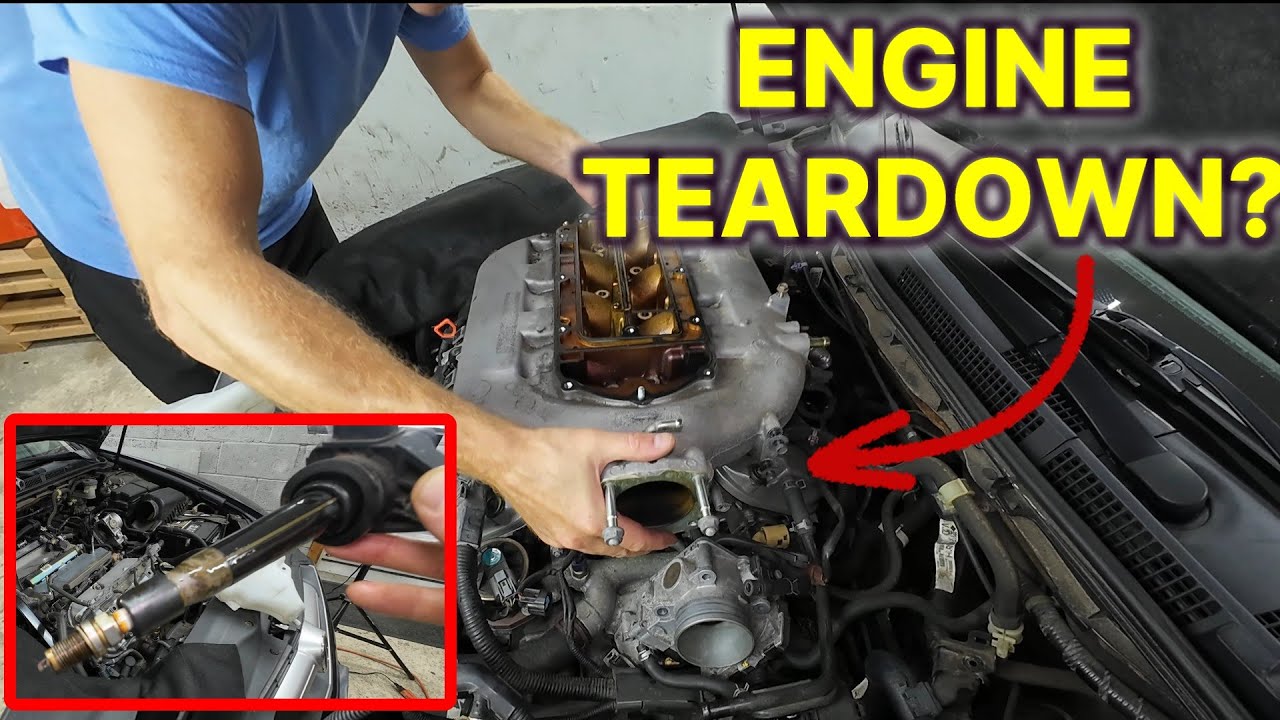
Start by locating your spark plugs under the engine cover or along the cylinder head. Use compressed air or a brush to clear dirt around the plug to avoid debris falling into the cylinder when you remove it.
Next, attach the spark plug socket to the ratchet and extension bar, then carefully loosen and remove the old plug by turning counterclockwise. Check the old plug’s condition—black, oily deposits indicate engine problems you might want to investigate.
Before installing the new plug, use the gap gauge to verify the gap matches your vehicle’s specs. Apply a small amount of anti-seize compound if recommended, but avoid overdoing it as excess can cause incorrect torque readings.
Thread the new plug by hand to avoid cross-threading, then tighten it with the torque wrench to the manufacturer’s recommended setting. Reattach any wires or coils you disconnected, then move on to the next plug.
Tips For Safe Handling
- Always work on a cool engine to avoid burns.
- Wear gloves to protect your hands from sharp edges and hot surfaces.
- Keep track of all tools and removed parts to prevent anything from falling into the engine bay.
- Use a magnetic tool or spark plug socket with a rubber insert to securely hold plugs during removal and installation.
- Don’t force the plug if it feels stuck; double-check alignment and thread before applying more torque.
Have you ever noticed how a simple spark plug swap improved your car’s performance? It’s a clear reminder that small maintenance tasks can make a big difference. What’s stopping you from giving it a try today?
Signs Of Worn Spark Plugs
Worn spark plugs affect your car’s performance in many ways. They play a key role in starting the engine and keeping it running smoothly. Recognizing signs of worn spark plugs helps prevent bigger engine problems. These signs usually show up during daily driving and can signal that it is time for a replacement.
Engine Misfires
Engine misfires happen when spark plugs fail to ignite the fuel-air mix properly. This causes the engine to run unevenly or jerk while driving. You might feel a sudden drop in power or hear unusual noises from the engine. Misfires can damage other parts of the engine if not fixed quickly.
Reduced Fuel Efficiency
Worn spark plugs cause incomplete combustion of fuel. This means your car uses more fuel than normal. You will notice that you fill up the gas tank more often. Reduced fuel efficiency increases your running costs and harms the environment.
Difficulty Starting
Old spark plugs can make your car hard to start. The engine may crank longer or fail to start at all. This happens because the spark plugs cannot create a strong enough spark. Starting problems can leave you stranded, especially in cold weather.
Maintenance Tips
Proper maintenance of spark plugs ensures your engine runs smoothly. Regular care helps avoid engine misfires and poor fuel economy. Keeping spark plugs in good condition saves money on repairs and fuel. Follow these maintenance tips to extend spark plug life and keep your vehicle efficient.
Recommended Replacement Intervals
Check your vehicle’s manual for the exact replacement schedule. Most spark plugs last between 30,000 to 100,000 miles. Older vehicles may need spark plugs replaced more often. Use the right type of spark plug recommended by the manufacturer. Replace spark plugs sooner if you notice engine problems or rough idling.
Checking Spark Plug Condition Regularly
Remove and inspect spark plugs every 20,000 to 30,000 miles. Look for signs of wear, such as:
- Carbon buildup or black soot
- Worn or damaged electrodes
- Cracked or chipped insulator
- Oily deposits
Clean minor deposits with a wire brush or spark plug cleaner. Replace plugs that show heavy wear or damage. Regular checks help prevent engine issues and improve performance.
Common Spark Plug Issues
Understanding common spark plug issues can save you from unexpected engine troubles. Spark plugs play a crucial role in igniting the air-fuel mixture, and any problem with them directly affects your vehicle’s performance. Let’s look at some typical issues you might face and how they impact your engine.
Fouling And Deposits
Sparks plugs often get fouled when oil, fuel, or carbon builds up on their tips. This buildup prevents proper spark formation, causing misfires or rough idling. Have you noticed your engine struggling to start or running unevenly? Dirty spark plugs could be the reason.
To spot fouling, remove the spark plug and check for black, oily, or sooty deposits. Cleaning or replacing fouled plugs can restore smooth engine operation quickly. Regular maintenance helps avoid this issue, especially if you drive in stop-and-go traffic often.
Incorrect Gap Settings
The gap between the spark plug’s electrodes must be just right for efficient ignition. If the gap is too wide or too narrow, your engine might hesitate or lose power. Have you ever adjusted a spark plug gap before? It’s a simple fix but makes a big difference.
Using a feeler gauge, you can measure and adjust the gap according to your vehicle’s specifications. Incorrect gaps can also cause poor fuel efficiency and increased emissions. Checking this during spark plug replacement ensures your engine fires perfectly every time.
Effects Of Overheating
Overheating spark plugs show signs like blistered electrodes or a white, chalky appearance. Excessive heat can damage the plug’s internal components, leading to pre-ignition or knocking sounds in your engine. Have you ever felt unusual vibrations or noises while driving uphill or towing a load? Overheated spark plugs might be the culprit.
Heat damage reduces the spark plug’s lifespan and can cause engine damage if ignored. Using the right heat range plug and ensuring proper engine cooling helps prevent overheating. If you spot these signs early, replacing the plugs can protect your engine from costly repairs.
Credit: www.familyhandyman.com
Frequently Asked Questions
Where Exactly Are Spark Plugs Located In A Car Engine?
Spark plugs are located on the cylinder head of an engine. They sit inside the combustion chamber. Each cylinder typically has one spark plug. They connect to ignition wires or coils for firing.
How Do Spark Plugs Affect Engine Performance?
Spark plugs ignite the air-fuel mixture in cylinders. Good plugs ensure efficient combustion and power delivery. Worn plugs can cause misfires, poor fuel economy, and rough idling.
Can I Find Spark Plugs Without Removing Engine Parts?
Yes, spark plugs are usually visible on the engine’s top or side. Some engines may require removing covers or coils. However, they are generally accessible for inspection and replacement.
Why Do Spark Plugs Need Regular Replacement?
Spark plugs wear out due to heat and combustion deposits. Old plugs reduce ignition efficiency, causing engine problems. Regular replacement maintains smooth running and fuel efficiency.
Conclusion
Spark plugs are small but important car components. They ignite the fuel-air mix in the engine. Proper installation ensures smooth engine performance. Always check the car manual for spark plug placement. Regular maintenance keeps your vehicle running efficiently. Ignoring spark plug issues can lead to bigger engine problems.
A little attention goes a long way. Visit a mechanic if you’re unsure about installation. Keeping your spark plugs in good shape saves time and money. Stay informed and keep your engine healthy. A smooth ride depends on these tiny parts.