Have you ever wondered when lawn mowers were first invented? Imagine stepping into your backyard and facing a tangled jungle of grass without this trusty machine.
It’s fascinating to think about how a simple tool has transformed the way we care for our lawns. You’re about to discover the intriguing history of lawn mowers, from their surprising beginnings to their evolution into the modern models you know today.
This is not just a story about a piece of equipment; it’s a journey through innovation and creativity that has changed how you maintain your outdoor spaces. Stick around, because understanding the origins of lawn mowers might just change the way you look at your own lawn.

Credit: www.curbsideclassic.com
Early Lawn Care Methods
Before the invention of lawn mowers, people cared for their lawns using simple, manual methods. Early lawn care was hard work. It required patience and physical effort. Lawns were often trimmed with basic tools. These tools shaped gardens and open spaces but demanded much time and energy.
Manual Tools Before Machines
People used hand tools like scythes and sickles to cut grass. These tools were sharp and needed skill to use. Shears were popular for trimming smaller, delicate areas. Rakes helped gather cut grass and leaves. Sometimes, grazing animals like sheep kept grass short. These methods were slow and needed constant attention.
Challenges Of Maintaining Lawns
Maintaining a neat lawn was difficult and tiring. Cutting grass evenly by hand was a big challenge. It took hours to finish even a small yard. Weather affected lawn care, making work harder. Rain could turn soil muddy and slippery. Dry spells made grass tough and hard to cut. Pests and weeds also damaged lawns often. People needed better tools for easier lawn care.
Invention Of The First Lawn Mower
The invention of the first lawn mower marked a major change in how people maintained their gardens and lawns. Before this device, keeping grass trimmed was a slow and tiring job, often done with scythes or shears. The lawn mower made this task easier, faster, and more efficient, setting the stage for the modern garden tools we use today.
Who Created It
The first lawn mower was created by Edwin Beard Budding in 1830. Budding was an engineer from England who was inspired by a machine used to trim the nap of cloth in textile mills. He adapted this idea to design a tool that could cut grass evenly.
His invention was initially aimed at maintaining sports grounds and large estates, but it quickly became popular for home use. Have you ever thought about how a simple idea from one industry can change another completely?
Design And Mechanics
Budding’s lawn mower featured a cylinder of blades that rotated against a fixed cutting bar. As the mower was pushed forward, the blades spun and cut the grass with a scissor-like action. This design allowed for a cleaner and more even cut compared to the traditional scythe.
The machine was made mostly of cast iron and wood, and it had a large reel that helped move it forward. Despite its heavy materials, it was a huge improvement over manual cutting. Imagine pushing one of those over your lawn—how different would your mowing experience be compared to today’s lightweight models?
Evolution Of Lawn Mowers
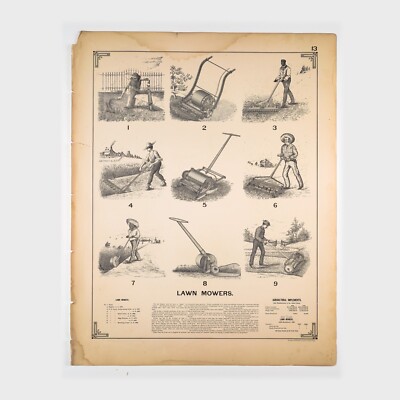
The evolution of lawn mowers shows how technology has shaped the way we care for our lawns. From heavy, early machines to the light, efficient tools you use today, each step brought new convenience and power. Understanding this history can help you appreciate the mower you choose for your yard.
Steam-powered Models
The first lawn mowers were powered by steam, dating back to the early 19th century. These machines were large and heavy, often requiring several people to operate them. Despite their size, they marked a huge improvement over manual cutting, making it possible to maintain larger lawns more efficiently.
Imagine pushing a bulky steam mower through your yard—quite a workout! This early technology laid the groundwork for more practical designs in the future.
Gasoline Engines
The introduction of gasoline engines in the late 1800s transformed lawn mowing. These engines made mowers lighter, faster, and easier to handle. Suddenly, maintaining your lawn didn’t feel like a chore that took all day.
Gas-powered mowers allowed homeowners to take care of their grass without hiring help. If you’ve ever used one, you know the power and noise it delivers, a clear step up from the steam models.
Electric And Battery Innovations
Electric and battery-powered mowers arrived as a cleaner, quieter alternative to gasoline. These models have become popular for their ease of use and low maintenance. Cordless battery mowers give you freedom of movement without worrying about fuel or exhaust.
Have you noticed how modern electric mowers often include smart features like adjustable speeds and self-propulsion? These innovations make mowing less about hard work and more about control and precision.
Credit: www.ebay.com
Impact On Gardening And Landscaping
The invention of the lawn mower dramatically changed how people care for their gardens and landscapes. It made maintaining a neat, healthy lawn quicker and more accessible. This shift not only saved time but also influenced the way gardens and outdoor spaces were designed and enjoyed.
Changes In Lawn Maintenance
Before lawn mowers, lawn care was a slow, physically demanding task. People used scythes or shears, which made trimming large areas nearly impossible. The lawn mower introduced efficiency, allowing you to keep your grass even and well-groomed without exhausting effort.
This innovation also encouraged regular lawn upkeep. A well-maintained lawn became easier to achieve, which improved the overall health of the grass. You might notice how a neatly cut lawn invites more outdoor activities and creates a more pleasant environment around your home.
Cultural Influence Of Lawns
The lawn mower didn’t just change gardening; it shaped social habits and cultural values about outdoor spaces. Lawns became symbols of pride and community standards. Neighbors often judge each other by the appearance of their lawns, turning lawn care into a form of personal expression.
Have you ever thought about why a perfect lawn is so valued? It reflects discipline, care, and a welcoming attitude. Your lawn can say a lot about you without words, making its maintenance more meaningful than just aesthetics.
Modern Lawn Mower Technologies
Modern lawn mower technologies have transformed the way we maintain our lawns. These advancements make mowing easier, faster, and more environmentally friendly. New features also improve safety and user comfort. Let’s explore some popular modern lawn mower technologies.
Robotic Lawn Mowers
Robotic lawn mowers operate automatically without human help. They use sensors to navigate the yard and avoid obstacles. These mowers can be programmed to cut grass on a regular schedule. They save time and effort for homeowners. Their quiet operation reduces noise pollution. Many models return to their charging stations on their own when low on power.
Eco-friendly Alternatives
Eco-friendly lawn mowers reduce harm to the environment. Electric mowers produce no direct emissions. Battery-powered models offer cordless convenience and lower noise levels. Some use rechargeable lithium-ion batteries for longer run times. Manual reel mowers require no fuel or electricity. These alternatives help lower carbon footprints and keep air cleaner.

Credit: en.wikipedia.org
Future Trends In Lawn Mowing
The future of lawn mowing promises exciting changes. Technology and sustainability shape this new era. Lawns will become easier to maintain and greener than before. Expect smarter tools and eco-friendly choices to lead the way.
Smart Technology Integration
Smart lawn mowers use sensors and GPS to map yards accurately. They mow without human help, saving time and effort. Some models connect to smartphones for easy control. They adjust cutting patterns based on grass growth and weather. This technology ensures a neat lawn with less waste.
Sustainable Lawn Care Solutions
Eco-friendly lawn care reduces chemical use and water waste. Electric mowers replace gas-powered ones, cutting pollution and noise. Solar-powered chargers make charging greener and cheaper. Organic fertilizers and natural pest controls protect the environment. These solutions create healthy lawns and protect nature.
Frequently Asked Questions
When Was The First Lawn Mower Invented?
The first lawn mower was invented in 1830 by Edwin Budding in England. It was designed to cut grass efficiently and replaced manual scything methods.
Who Invented The Modern Lawn Mower?
Edwin Budding is credited with inventing the modern lawn mower in 1830. His design improved lawn maintenance and inspired future mower innovations.
How Did Lawn Mowers Evolve Over Time?
Lawn mowers evolved from manual reel designs to gas and electric models. Innovations include motorized engines and cordless technology for ease of use.
What Materials Were Early Lawn Mowers Made Of?
Early lawn mowers were mainly made of cast iron and steel. These durable materials helped create sturdy machines for cutting grass effectively.
Conclusion
Lawn mowers have changed how we care for grass. They first appeared in the 1800s. Since then, they have become faster and easier to use. Today’s mowers help keep yards neat and tidy. Understanding their history shows how tools evolve over time.
This simple machine saves people time and effort. Next time you mow, remember its interesting past. It’s more than just a tool. It’s part of everyday life.





