You want your mower to start easily every time you need it. But did you know that the fuel inside your mower can go bad and cause problems?
Using a fuel stabilizer can protect your mower’s engine and save you from costly repairs. The big question is: when exactly should you use fuel stabilizer in your mower? Keep reading to discover the simple timing that can keep your mower running smoothly season after season.
Your lawn—and your wallet—will thank you.

Credit: www.homedepot.ca
Why Fuel Stabilizer Matters
Fuel stabilizer plays a crucial role in keeping your mower’s engine running smoothly, especially during periods when the equipment sits unused. It prevents fuel from deteriorating and causing damage to the engine parts. Understanding why fuel stabilizer matters can save you time, money, and frustration in the long run.
Fuel Breakdown Risks
Gasoline doesn’t stay fresh forever. Over time, it breaks down and forms varnish and gum deposits that clog fuel lines and carburetors. You might not notice these issues until your mower struggles to start or runs poorly.
Have you ever left fuel in your mower over winter only to find it won’t start in spring? That’s often due to fuel breakdown. Adding a stabilizer stops this process by keeping the fuel fresh and preventing those sticky deposits from forming.
Engine Protection Benefits
Using a fuel stabilizer isn’t just about keeping fuel fresh; it also protects critical engine components. The stabilizer reduces corrosion inside the fuel system, extending the life of your mower’s engine.
Think about how often you use your mower. If you only run it a few times a season, the engine sits idle for long stretches. Fuel stabilizer keeps the engine parts lubricated and clean during this downtime, so your mower starts easily every time you need it.

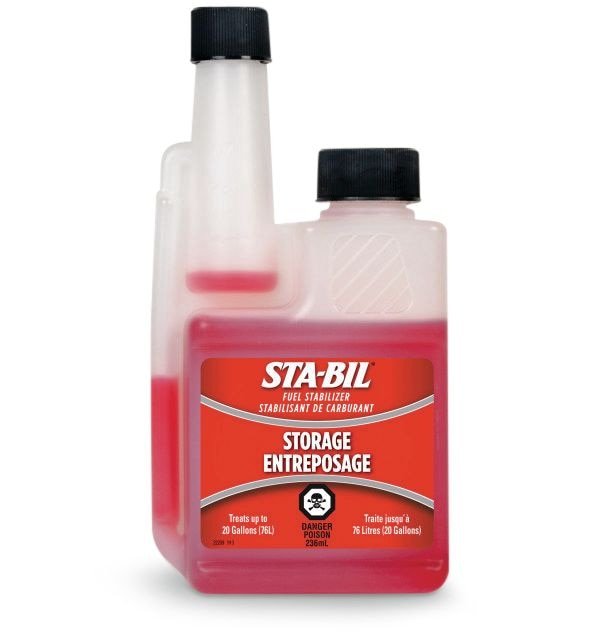
Credit: www.amazon.ca
Ideal Timing For Application
Knowing the best time to apply fuel stabilizer can save you from unexpected mower troubles. Applying it at the right moment keeps your engine running smoothly and prevents fuel from breaking down. Let’s look at the ideal timing to add fuel stabilizer so your mower stays in top shape.
Before Storage Periods
Planning to store your mower for a month or longer? Adding fuel stabilizer before storage is crucial. It keeps the fuel fresh and stops it from turning gummy or forming varnish inside the engine.
I once skipped this step before winter storage and faced a clogged carburetor in spring. Don’t let that happen to you. Pour the stabilizer into a full tank, then run the engine for a few minutes to circulate it throughout the fuel system.
During Seasonal Changes
Fuel can degrade quickly during temperature swings in spring and fall. Applying stabilizer during these seasonal changes helps maintain fuel quality and engine performance.
If you notice your mower running rough or hard to start after a cold snap, fuel breakdown might be the cause. Adding stabilizer before these weather shifts can prevent such headaches and extend your mower’s life.
Signs You Need Fuel Stabilizer
Knowing when to use fuel stabilizer in your mower can save you from engine troubles. Fuel breaks down over time and causes problems. Watching for certain signs helps you act before damage occurs. These signs show your mower’s fuel needs extra care.
Fuel Odor And Appearance
Old fuel often smells sour or rotten. Fresh gasoline has a sharp, clean smell. If the fuel in your mower smells different, it may be going bad. Look at the fuel’s color too. Dark or cloudy fuel means it has started to degrade. Clear, bright fuel stays fresh longer. Cloudy or sticky fuel can clog the engine. Adding fuel stabilizer keeps the fuel fresh and clean.
Engine Performance Issues
Your mower’s engine shows signs when fuel is bad. It may start hard or not start at all. The engine might sputter or stall during use. Loss of power or uneven running can happen too. These problems often come from stale fuel. Fuel stabilizer stops fuel from breaking down. It helps the engine run smoothly and reliably.
How To Apply Fuel Stabilizer
Applying fuel stabilizer correctly keeps your mower’s engine healthy during storage. It prevents fuel breakdown and stops clogging. Proper use saves time and money on repairs. Follow simple steps to ensure the stabilizer works well.
Choosing The Right Product
Select a fuel stabilizer made for small engines or lawn mowers. Check the label to confirm it protects gasoline for at least 12 months. Avoid products with harmful additives that may damage engine parts. Pick a brand with positive reviews and clear instructions. Quality matters for long-term engine care.
Step-by-step Application Process
- Use fresh gasoline before adding stabilizer to the tank.
- Shake the stabilizer bottle well to mix ingredients.
- Pour the recommended amount of stabilizer into the fuel tank.
- Fill the tank with gasoline to mix the stabilizer evenly.
- Run the mower engine for 5 to 10 minutes to circulate the treated fuel.
- Turn off the engine and let the mower cool down before storage.
- Store the mower in a cool, dry place to keep fuel stable.
Common Mistakes To Avoid
Fuel stabilizer is essential for mower maintenance. Yet, mistakes happen often. Knowing these errors can save money and time. Let’s explore common mistakes to avoid.
Using Old Fuel
Old fuel can damage mower engines. It loses its effectiveness over time. This causes poor performance and hard starts. Always use fresh fuel when possible. Check the fuel’s age before use. If unsure, replace it with fresh fuel.
Overusing Stabilizer
More stabilizer isn’t always better. Overuse can harm the engine. It may cause buildup in the fuel system. Follow the manufacturer’s guidelines for the correct amount. Accurate measurement ensures optimal performance. Use a measuring cup for precise dosing.

Credit: www.lawnsite.com
Maintenance Tips For Mower Engines
Keeping your mower engine in top shape means more than just mowing the lawn. Regular maintenance can save you from costly repairs and extend the life of your machine. Let’s look at some simple, practical tips that help you care for your mower engine effectively.
Regular Fuel Checks
Fuel quality directly impacts your mower’s performance. Always check the fuel before starting your mower. Stale fuel can cause hard starts and engine damage.
Try to use fresh fuel and consider adding a fuel stabilizer if you don’t plan to use your mower for a while. This prevents the fuel from breaking down and clogging the carburetor. Have you ever experienced your mower sputtering because of old gas? That’s a sign you need to be more vigilant about fuel checks.
Cleaning And Storage Best Practices
After mowing, clean your mower thoroughly. Remove grass clippings and dirt from the deck and engine area to prevent rust and blockages. A clean mower runs cooler and lasts longer.
When storing your mower, especially over winter, drain the fuel or add a fuel stabilizer. Store it in a dry, sheltered spot to avoid moisture damage. Think about how much easier it is to start your mower in spring when you follow these simple steps.
Frequently Asked Questions
When Should I Add Fuel Stabilizer To My Mower?
Add fuel stabilizer before storing your mower for more than 30 days. It prevents fuel breakdown and engine problems. Use it every time you store your mower long-term to keep the fuel fresh and engine running smoothly.
Can I Use Fuel Stabilizer In Fresh Gasoline?
Yes, using fuel stabilizer in fresh gasoline helps maintain fuel quality. It prevents oxidation and gum buildup. This ensures optimal engine performance and reduces carburetor clogging in your mower over time.
How Often Should I Use Fuel Stabilizer In A Mower?
Use fuel stabilizer each time you add fuel before long storage periods. For regular mowing, it’s not necessary. Consistent use during offseason storage protects fuel and prevents costly repairs.
Does Fuel Stabilizer Improve Mower Engine Life?
Yes, fuel stabilizer extends mower engine life by preventing fuel degradation. It reduces engine wear and corrosion. This ensures smoother starts and better overall mower performance over time.
Conclusion
Using fuel stabilizer helps keep your mower’s engine clean. It stops fuel from breaking down during storage. Always add stabilizer before storing your mower for months. This prevents starting problems and costly repairs. Regular use saves time and keeps your mower ready to work.
Remember, fresh fuel means a smoother running engine. Small steps protect your mower’s life and performance. Keep your mower strong and reliable all year long.





