Your car’s spark plug coils play a crucial role in keeping your engine running smoothly. But how do you know when it’s time to replace them?
Ignoring worn-out coils can lead to poor performance, reduced fuel efficiency, and even engine damage. You’ll discover the clear signs that tell you it’s time to change your spark plug coils. By understanding these warning signals, you can save money and avoid unexpected breakdowns.
Keep reading to protect your vehicle and ensure it runs at its best.

Credit: www.reddit.com
Role Of Spark Plug Coils
The role of spark plug coils is vital for your vehicle’s ignition system. They generate the high voltage needed to ignite the air-fuel mixture inside the engine cylinders. Without properly functioning coils, your engine may misfire, lose power, or struggle to start.
How Spark Plug Coils Work
Spark plug coils act like transformers. They take the low voltage from your car’s battery and boost it to thousands of volts.
This high voltage is sent to the spark plugs, creating the spark that ignites the fuel. Each cylinder usually has its own coil, making it easier to diagnose problems when they arise.
Have you ever noticed your engine misfiring or running rough? It might be the coils failing to deliver a consistent spark.
Impact On Engine Performance
When spark plug coils start to wear out, you’ll feel it in your vehicle’s performance. The engine may hesitate during acceleration or idle roughly.
Fuel efficiency drops because incomplete combustion wastes fuel. Plus, damaged coils increase emissions, which can lead to failed inspections.
Ignoring these signs can cause more damage to your engine and expensive repairs. How long are you willing to wait before replacing faulty coils?
Common Signs Of Coil Failure
Spark plug coils play a vital role in your car’s ignition system. They transform the battery’s voltage into a spark to ignite the fuel. When these coils fail, the engine’s performance suffers. Recognizing coil failure early helps avoid bigger issues and costly repairs.
Common signs of coil failure often appear during everyday driving. These signs warn you that it might be time to replace the spark plug coils. Understanding these symptoms helps keep your vehicle running smoothly and efficiently.
Engine Misfires And Rough Idling
Engine misfires happen when the spark plug coil fails to deliver a strong spark. This causes the engine to run unevenly or jerk during acceleration. Rough idling occurs when the engine shakes or vibrates while the car is stopped. Both symptoms indicate poor combustion caused by weak or no spark.
Decreased Fuel Efficiency
Faulty spark plug coils reduce fuel efficiency. The engine burns more fuel to compensate for weak sparks. You may notice more frequent trips to the gas station. Lower mileage per gallon signals a coil problem that affects combustion quality.
Difficulty Starting The Engine
A bad coil can make the engine hard to start. Without a strong spark, the fuel-air mixture does not ignite properly. The engine may crank longer or fail to start altogether. This issue often worsens in cold or damp weather.
Check Engine Light Activation
The check engine light often turns on when coil failure occurs. The vehicle’s computer detects misfires or ignition problems. A diagnostic scan can pinpoint which coil is faulty. Ignoring this warning may lead to engine damage over time.
Visual And Physical Inspection Tips
Visual and physical inspection helps find problems with spark plug coils early. Simple checks can reveal damage that affects engine performance. Use these tips to spot signs that a coil needs replacement. Regular inspection prevents bigger issues and keeps your car running smoothly.
Cracks And Corrosion
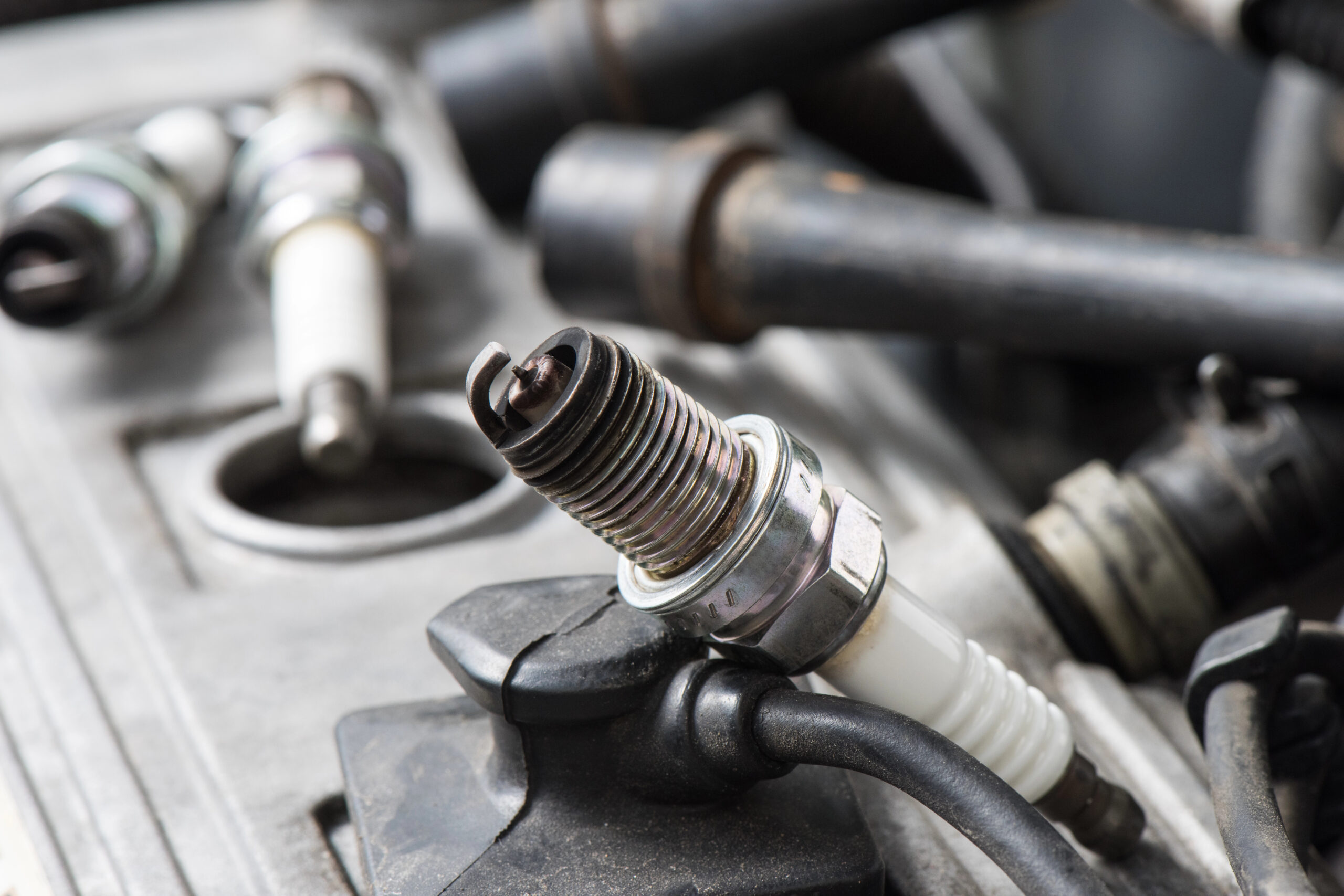
Check the coil body for visible cracks. Cracks allow moisture inside, causing coil failure. Look for white or greenish corrosion around the coil terminals. Corrosion weakens the electrical connection and reduces coil efficiency. Clean minor corrosion gently, but replace coils with severe damage.
Burn Marks And Damage
Burn marks indicate overheating or electrical shorts. Inspect coils for dark or melted spots. These marks show the coil is stressed and may fail soon. Also, check for broken or bent coil parts. Physical damage affects coil function and needs immediate replacement.
Testing With A Multimeter
Use a multimeter to measure coil resistance. Set the meter to the ohms setting. Connect the probes to the coil terminals carefully. Compare readings with the manufacturer’s specifications. Readings outside the normal range mean the coil is bad. Replace coils that fail this electrical test.
Credit: jerry.ai
Consequences Of Ignoring Coil Issues
Ignoring issues with your spark plug coils can lead to a chain reaction of problems that impact your vehicle’s performance and your wallet. These coils are essential for igniting the fuel-air mixture in your engine, and when they fail, the effects don’t just stop at a rough idle or engine misfire. Understanding what happens when coil problems go unchecked helps you decide when it’s time to act.
Engine Damage Risks
Faulty spark plug coils can cause your engine to misfire frequently. This misfiring means unburned fuel enters the exhaust system, which can damage the catalytic converter and other engine parts. Over time, ignoring this issue may lead to serious engine wear, reducing your car’s lifespan.
Have you noticed your engine running rough or losing power? These signs could indicate coil problems that, if left untreated, might cause irreversible engine damage.
Increased Emissions
When spark plug coils fail, incomplete combustion occurs. This increases the amount of harmful emissions your vehicle produces. If you care about reducing your carbon footprint, fixing coil issues promptly is crucial.
Plus, higher emissions might cause your car to fail emissions tests, leading to fines or being unable to renew your registration. Do you want to face unexpected penalties because of a simple coil replacement?
Costly Repairs Down The Line
Delaying coil replacement often results in more expensive repairs later. A bad coil can cause damage to spark plugs, fuel injectors, and the catalytic converter. These parts can cost hundreds to replace, making early coil replacement a smart financial choice.
Imagine paying for a full exhaust system repair instead of just swapping out a coil. Are you willing to take that risk when a small part can prevent it?
Replacement Guidelines
Knowing when to replace your spark plug coils can save you from unexpected engine troubles. Following clear replacement guidelines helps maintain your car’s performance and avoids costly repairs. Let’s look at key points to consider for timely and effective coil replacement.
Recommended Replacement Intervals
Manufacturers often suggest replacing spark plug coils every 100,000 miles, but this isn’t a hard rule. Your driving conditions play a big role—stop-and-go traffic or extreme weather can wear coils faster.
Keep an eye out for symptoms like engine misfires, rough idling, or decreased fuel efficiency. These signs might mean your coils need replacing sooner. Regular check-ups during oil changes can catch coil issues early.
Choosing The Right Spark Plug Coils
Not all spark plug coils are created equal. Choosing high-quality coils that match your vehicle’s specifications ensures better performance and longevity.
OEM (Original Equipment Manufacturer) parts offer reliability but can be pricier. Aftermarket coils vary widely in quality—read reviews and ask for recommendations to avoid cheap, short-lived options.
Have you checked if your coils are compatible with your spark plugs? Mismatched parts can cause more harm than good.
Diy Vs Professional Replacement
If you have basic tools and some mechanical knowledge, replacing spark plug coils can be a straightforward DIY job. It usually involves removing engine covers and carefully disconnecting coils.
However, if you’re unsure or your engine layout is complicated, professional help is safer. Mechanics can diagnose related issues and ensure coils are installed correctly.
Think about the cost of your time and potential mistakes—sometimes paying a pro is the smarter choice to avoid bigger problems down the road.
Maintenance Tips To Extend Coil Life
Proper care helps spark plug coils last longer and perform well. Simple maintenance steps reduce wear and prevent early failure. Regular checks keep the ignition system strong and reliable. Follow these tips to extend the life of your coils and avoid costly repairs.
Regular Engine Tune-ups
Schedule engine tune-ups as recommended by your vehicle’s manual. Tune-ups ensure spark plug coils work with clean spark plugs. They check and adjust the ignition timing for smooth engine running. Early detection of coil issues prevents engine misfires and stalling.
Using Quality Fuel And Parts
Use high-quality fuel to keep the engine clean and efficient. Poor fuel can cause deposits that harm ignition components. Choose OEM or trusted brand parts for replacement coils and plugs. Quality parts fit well and last longer under tough conditions.
Keeping The Ignition System Clean
Clean ignition parts regularly to remove dirt and moisture. Dirt and grime can cause coil overheating and failure. Check wiring and connectors for corrosion or damage. A clean ignition system helps maintain strong sparks and reliable starts.

Credit: simonsautorepairtaunton.com
Frequently Asked Questions
When Should I Replace Spark Plug Coils?
Replace spark plug coils if your engine misfires or runs rough. Check every 60,000 to 100,000 miles or as recommended by the manufacturer.
What Are Signs Of Failing Spark Plug Coils?
Common signs include engine misfires, poor fuel economy, rough idling, and difficulty starting. Ignoring these can cause engine damage.
How Often Do Spark Plug Coils Last?
Spark plug coils typically last between 60,000 and 100,000 miles. Regular inspections help identify issues before failure occurs.
Can Bad Spark Plug Coils Affect Fuel Efficiency?
Yes, faulty spark plug coils cause incomplete combustion, reducing fuel efficiency and increasing emissions. Replace coils promptly to save fuel.
Conclusion
Replacing spark plug coils ensures your engine runs smoothly. Old coils affect performance. Reduced power and increased fuel consumption are signs. Ignoring them leads to bigger problems. Regular checks can prevent costly repairs. Listen to your vehicle. It tells you when something’s wrong.
Keep your ride reliable and efficient. A small change makes a big difference. Always consult a professional if unsure. Proper maintenance extends your car’s life. Stay safe and enjoy driving with peace of mind.