Your mower is only as good as its fuel system, and those fuel lines play a crucial role in keeping your machine running smoothly. But how do you know when it’s time to replace them?
Ignoring worn or damaged fuel lines can lead to poor performance, unexpected breakdowns, or even safety hazards. You’ll discover the clear signs that tell you it’s time for a change, helping you avoid costly repairs and keep your mower in top shape all season long.
Keep reading to protect your investment and enjoy hassle-free mowing every time.
Common Fuel Line Materials
Understanding the common materials used for mower fuel lines can help you spot wear and tear early. Different materials react to fuel and weather conditions in unique ways. Knowing what your mower’s fuel line is made of can guide you on when it’s time to replace it and keep your mower running smoothly.
Types Of Fuel Lines
Most mower fuel lines are made from one of these materials:
- Rubber:The most common and affordable option. It’s flexible but can crack or harden over time.
- Vinyl:Less flexible but resistant to some fuels. It’s prone to becoming brittle in cold weather.
- Polyurethane:Offers excellent fuel resistance and durability. It stays flexible longer but costs a bit more.
- Nylon:Found in some high-end mowers. It’s strong and resists kinks but can be less flexible.
Have you checked what material your mower’s fuel line is made of? This small detail can save you from unexpected breakdowns.
Durability Factors
Fuel lines face constant exposure to gasoline, oil, and outdoor elements. Rubber lines often dry out and crack, especially if you leave fuel in the mower over winter. Vinyl may hold up better in warm climates but can snap in freezing temperatures.
Polyurethane and nylon lines resist chemical damage and last longer, but they aren’t immune to wear. Heat from the engine and rubbing against mower parts can weaken any material. Regular inspection for soft spots, bulges, or leaks is crucial no matter the fuel line type.
How often do you check your mower’s fuel lines? Spotting early signs of damage can prevent costly repairs and keep your lawn equipment safe to use.

Credit: www.mowmore.com
Signs Of Fuel Line Damage
Knowing the signs of fuel line damage can save you from unexpected mower breakdowns and costly repairs. Your mower’s fuel lines are vital for delivering gas from the tank to the engine, and any damage can disrupt this flow. Catching these signs early helps you act before the problem worsens.
Visible Cracks And Leaks
Check your fuel lines regularly for any visible cracks or splits. Even small cracks can cause fuel to leak, which is dangerous and affects mower performance.
If you notice wet spots or fuel stains on or around the fuel lines, that’s a clear sign of leakage. Damaged fuel lines may also feel brittle or soft when you press them, indicating wear and tear.
Fuel Smell Around Mower
A strong smell of gasoline near your mower is a red flag. It usually means fuel is escaping from the lines or connections.
Have you ever walked past your mower and caught a sharp fuel odor? That’s often the first clue that your fuel line is compromised and needs inspection or replacement.
Engine Performance Issues
Fuel line problems often cause the engine to sputter, stall, or struggle to start. Without a steady fuel supply, your mower won’t run smoothly.
If your mower hesitates during acceleration or dies unexpectedly, consider checking the fuel lines. These performance hiccups can point directly to fuel flow restrictions caused by damaged lines.
Safety Risks Of Worn Fuel Lines
Worn fuel lines in mowers pose serious safety risks. Over time, these lines can crack or leak, creating dangerous situations. Ignoring damaged fuel lines can lead to accidents and harm to the environment. Knowing the safety risks helps you decide when to replace them.
Fire Hazards
Cracked or brittle fuel lines may leak gasoline. Gasoline is highly flammable and can ignite easily. Even a small spark near a leak can cause a fire. Fuel vapors are invisible but very explosive. Protect yourself and your property by replacing worn fuel lines quickly.
Environmental Impact
Leaking fuel pollutes the soil and water around your yard. Gasoline contains harmful chemicals that damage plants and wildlife. Spilled fuel can contaminate groundwater, affecting nearby homes. Fixing fuel line problems prevents pollution and keeps your environment safe.

Credit: www.espares.co.uk
When To Inspect Fuel Lines
Fuel lines should be inspected regularly for cracks, leaks, or stiffness. Replace them if you notice fuel smell, poor mower performance, or visible damage. Regular checks prevent fuel leaks and keep your mower running safely and smoothly.
When to replace mower fuel lines? This question often arises with consistent mower use. Knowing the right time to inspect fuel lines ensures smooth operation. Damaged fuel lines can lead to engine problems. Regular checks help maintain the mower’s performance and extend its lifespan.Regular Maintenance Schedule
Inspect fuel lines during regular maintenance checks. Look for cracks or wear signs. Check connections for any looseness. Tight connections prevent leaks. Schedule inspections every few months. Regular checks ensure fuel flows smoothly.After Storage Periods
Inspect fuel lines after winter storage. Long storage can weaken lines. Look for stiffness or brittleness. Replace old or damaged lines immediately. Ensure the mower is ready for the new season. Regular inspections prevent unexpected breakdowns.Replacing Fuel Lines
Replacing fuel lines in your mower is a vital task to maintain its performance and safety. Over time, fuel lines can wear out, crack, or leak. This can cause fuel loss, engine problems, or even fires. Knowing how to replace them properly keeps your mower running smoothly and safely.
Choosing the right replacement fuel line is important. Use fuel lines made for small engines. They resist gasoline and heat well. Avoid generic tubing that may crack or melt. Check the diameter to match your mower’s original parts. Flexible lines that fit tightly prevent leaks and air entry. Buy from trusted brands or mower manufacturers.
Choosing The Right Replacement
- Select fuel line rated for gasoline use.
- Match the diameter to your mower’s original line.
- Choose flexible, durable materials like rubber or vinyl.
- Avoid cheap or generic tubing not made for fuel.
- Buy from reputable stores or mower brands.
Diy Replacement Tips
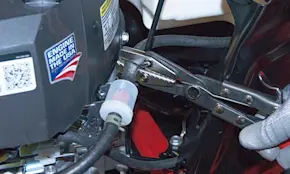
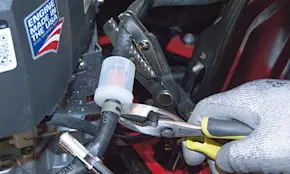
Replace fuel lines in a well-ventilated area. Work away from open flames or sparks. Drain the fuel tank or turn off the fuel valve. Use pliers to remove old clamps and hoses carefully. Cut new lines to the exact length needed. Attach securely with new clamps or clips. Check for leaks by running the mower briefly. Wear gloves and safety glasses for protection.
When To Seek Professional Help
- If the fuel system has complex parts or connections.
- When unsure about fuel line routing or attachment.
- If you notice fuel leaks after replacement.
- When mower has other engine issues besides fuel lines.
- If you lack proper tools or experience handling fuel parts.
Credit: www.searspartsdirect.com
Extending Fuel Line Lifespan
Extending the life of your mower’s fuel lines saves money and prevents breakdowns. Fuel lines face wear from exposure to heat, fuel chemicals, and physical stress. Taking simple care steps keeps them flexible and leak-free for longer periods. These practices reduce the need for frequent replacements and maintain mower efficiency.
Proper Storage Practices
Store your mower in a cool, dry place to protect fuel lines. Avoid direct sunlight and extreme temperatures that can harden or crack the rubber. Drain fuel or run the mower until empty before long storage periods. This prevents fuel from breaking down inside the lines and causing damage. Cover the mower to keep dust and moisture away from fuel components.
Using Fuel Stabilizers
Fuel stabilizers help prevent fuel from degrading inside the tank and lines. Add stabilizer to fresh fuel before storage or long use gaps. It keeps fuel fresh and reduces gum and varnish buildup. This keeps fuel lines clear and flexible. Follow the stabilizer’s instructions carefully to get the best protection.
Frequently Asked Questions
When Should I Inspect Mower Fuel Lines?
Inspect mower fuel lines before each mowing season and after long storage. Check for cracks, leaks, or stiffness to prevent fuel leaks and engine issues.
What Signs Indicate Mower Fuel Lines Need Replacement?
Look for visible cracks, brittleness, fuel leaks, or a strong fuel smell. These signs suggest the fuel lines are deteriorating and need immediate replacement.
How Often Should Mower Fuel Lines Be Replaced?
Replace mower fuel lines every 2-3 years or sooner if damaged. Regular replacement ensures optimal mower performance and prevents fuel-related engine problems.
Can Damaged Fuel Lines Affect Mower Performance?
Yes, damaged fuel lines can cause fuel leaks, poor engine performance, or stalling. Replacing faulty lines ensures efficient fuel delivery and smooth mower operation.
Conclusion
Replacing mower fuel lines keeps your lawn mower running smoothly. Cracks, leaks, or hardening fuel lines mean it’s time for a change. Regular checks help avoid engine problems and fuel loss. New fuel lines improve safety and mower performance. Don’t wait for fuel leaks to cause bigger issues.
Stay alert to signs of wear and tear. Maintaining fuel lines saves money and time in the long run. Keep your mower ready for any mowing job. A small fix today prevents a big problem tomorrow.