Are you wondering when to mow your lawn in fall before the frost hits? Timing this right can make a big difference in how healthy and green your grass stays through the colder months.
If you mow too early or too late, your lawn might struggle to recover or get damaged by frost. You’ll discover the perfect window to give your lawn that final cut, helping it stay strong and ready for spring. Keep reading to learn simple tips that will save your lawn and keep it looking great all year long.
Ideal Lawn Height For Fall
Adjusting mower settingsis key for fall lawn care. Set your mower to a higher cut to keep grass blades longer. Longer blades help protect roots from frost damage and keep the lawn healthier through cold months.
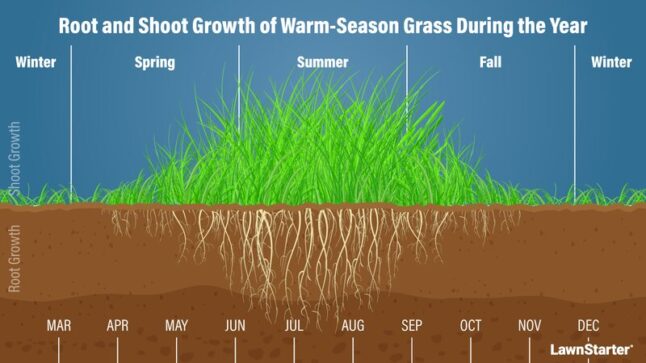
Different grass typesneed different heights. Cool-season grasses like fescue and ryegrass do well at about 2.5 to 3 inches. Warm-season grasses such as Bermuda or zoysia prefer around 1 to 2 inches.
| Grass Type | Ideal Height in Fall |
|---|---|
| Cool-season (fescue, ryegrass) | 2.5 to 3 inches |
| Warm-season (Bermuda, zoysia) | 1 to 2 inches |
Keeping the right height reduces stress on grass. It also helps the lawn stay green longer before frost arrives.
Timing Your Last Mow
Grass growth slowsas temperatures drop below 55°F (13°C). Leaves grow more slowly and start to lose color. The lawn looks less full and soft. Watch for less green colorand fewer new shoots. These signs show grass is getting ready for winter.
Weather patternsare important. Frost usually comes after several cold nights. Mow your lawn a few days before the first hard frost. This helps grass stay healthy and prevents damage. Avoid mowing when the lawn is wet or frozen.
- Grass growth slows near 55°F (13°C).
- Lawn color fades and growth stops.
- Mow a few days before the first hard frost.
- Do not mow wet or frozen grass.
- Check weather forecasts for frost warnings.
Preparing Lawn For Frost
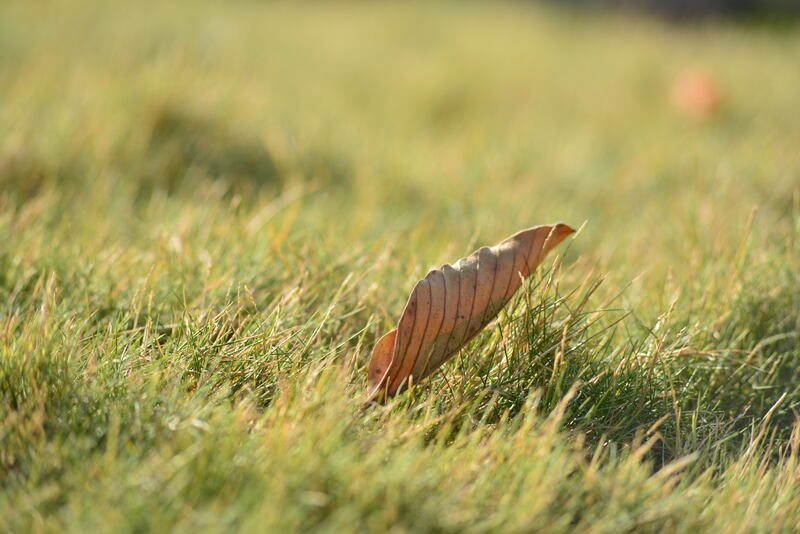
Clearing debris and leaves keeps the lawn healthy before frost. Leaves left on grass block sunlight and trap moisture. This can cause mold and kill the grass underneath. Removing debris helps air reach the soil, making roots stronger. It also stops pests from hiding in dead leaves during winter.
A clean lawn looks neat and helps grass grow well next spring. It reduces the chance of disease and damage from cold weather. Use a rake or leaf blower to clear fallen leaves. Compost the leaves or use them as mulch in other garden areas. Keeping the lawn clear is an easy way to protect it during fall and frost times.
Credit: www.lawnstarter.com
Avoiding Common Mowing Mistakes
Mow your lawn before the first frost to protect grass roots and prevent damage. Avoid cutting too short, which stresses the grass during cold weather. Timing is key for a healthy fall lawn.
Cutting grass too short harms its health. Grass needs enough length to grow well. Short grass might look neat, but it struggles to stay strong. This makes it more prone to frost damage. Leave grass a bit taller in fall. Taller grass helps protect roots from cold. Keep the mower blade high while cutting. Mowing too late in fall can hurt the lawn. Grass needs time to recover before frost arrives. Late mowing stresses the grass. It also leaves it vulnerable to cold. Finish mowing a few weeks before frost. This allows grass to strengthen itself. Early preparation keeps lawns healthy in winter. `Additional Fall Lawn Care Tips
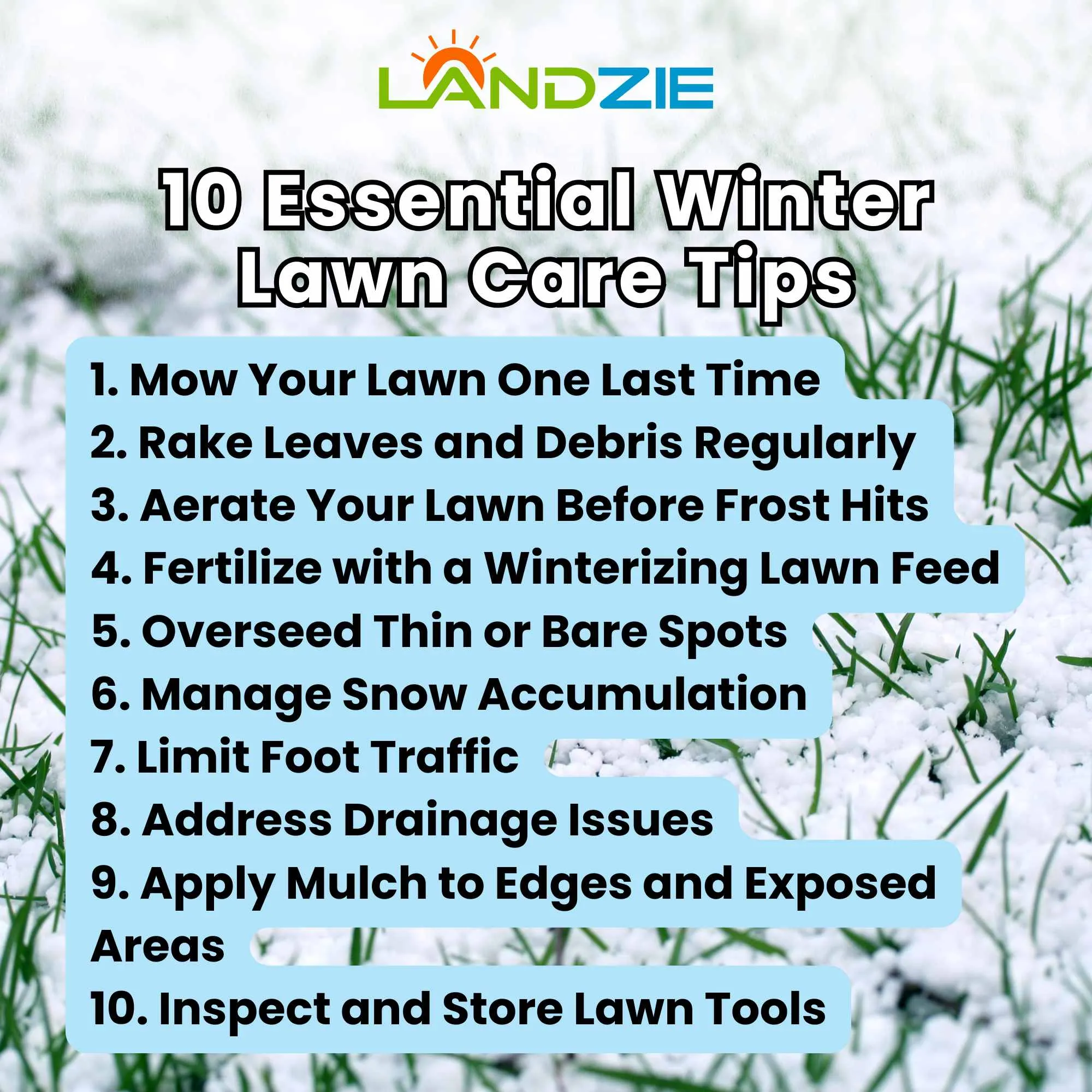
Fertilizing before frosthelps lawns store nutrients for winter. Use a fertilizer high in potassium. This strengthens grass roots and helps resist cold. Apply fertilizer at least two weeks before the first frost. Avoid over-fertilizing, as it can harm the lawn.
Aeration and overseedingimprove lawn health in fall. Aeration makes holes in the soil, letting air, water, and nutrients reach roots better. Overseeding fills in bare spots and thickens the grass. Both steps help grass grow strong before winter. Do these tasks early in fall for best results.
Credit: landzie.com
Credit: www.lawnstarter.com
Frequently Asked Questions
When Is The Best Time To Mow Lawn In Fall?
The best time to mow your lawn in fall is before the first frost. Mow when grass is dry and soil firm. This helps maintain lawn health and prepares grass for winter dormancy.
How Often Should I Mow Lawn Before Frost?
Mow your lawn weekly or biweekly before frost. Adjust frequency based on grass growth and weather. Avoid cutting grass too short to protect roots during cold.
What Grass Height Is Ideal Before Fall Frost?
Keep your grass height around 2. 5 to 3 inches before frost. This length protects roots and prevents stress. Avoid cutting grass too short in fall to maintain strength.
Can Mowing After Frost Damage Lawn?
Yes, mowing after frost can damage your lawn. Frozen grass blades are brittle and easily break. It’s best to mow only before frost to avoid stressing your lawn.
Conclusion
Mowing your lawn at the right time in fall keeps grass healthy. Cut the grass before the first frost hits your area. This helps protect roots and avoids damage from cold weather. Keep the mower blade sharp and adjust to a slightly higher setting.
Don’t cut too short; grass needs some height to stay strong. Regular care now leads to a greener lawn next spring. Stay patient and watch your lawn recover after winter. Simple steps make a big difference for your yard’s health.