Are you wondering when to mow your fescue grass for the best results? Timing is everything when it comes to keeping your lawn healthy and looking great.
Mowing at the right moment helps your grass grow stronger, stay green longer, and avoid common problems like thinning or patchiness. If you want to make sure your fescue lawn stays in top shape without extra work or frustration, this guide will show you exactly when and how to mow.
Keep reading to discover simple tips that will transform your lawn care routine.
Best Time To Mow Fescue
Fescue grassgrows best when mowed at the right height. The ideal grass heightis between 2.5 to 3.5 inches. Cutting below this can stress the grass and make it weak. Let the grass grow a bit tall before mowing. This helps roots stay strong and healthy.
Season affects mowing frequency. In spring and fall, fescue grows faster and needs more frequent mowing. In summer, growth slows down. Mow less often to avoid stressing the grass during heat.
Weather plays a big role too. Avoid mowing when the grass is wet. Wet grass can clog the mower and cause uneven cuts. Also, do not mow during very hot days. Mowing in cool, dry weather helps keep fescue healthy and green.
Mowing Frequency
Mowing frequencydepends on how fast your fescue grass grows. Grass grows faster in spring and fall due to mild weather and rain. During hot summers, growth slows, needing less frequent mowing.
Growth rate factorsinclude temperature, rainfall, and soil quality. Cooler temperatures and good soil help grass grow well. Dry or very hot weather can slow growth a lot.
Adjusting schedulemeans mowing more often in fast growth times and less in slow growth times. Check your lawn weekly. If grass looks tall or uneven, it’s time to mow. Try not to cut more than one-third of the grass height at once. This keeps grass healthy and green.
Mowing Techniques
Proper mower settingshelp keep fescue grass healthy. Set the blade height between 2.5 and 3.5 inches to avoid cutting too short. Cutting too low can stress the grass and cause brown spots. Adjust the mower speed to avoid tearing the grass blades. A sharp blade gives a clean cut and reduces damage.
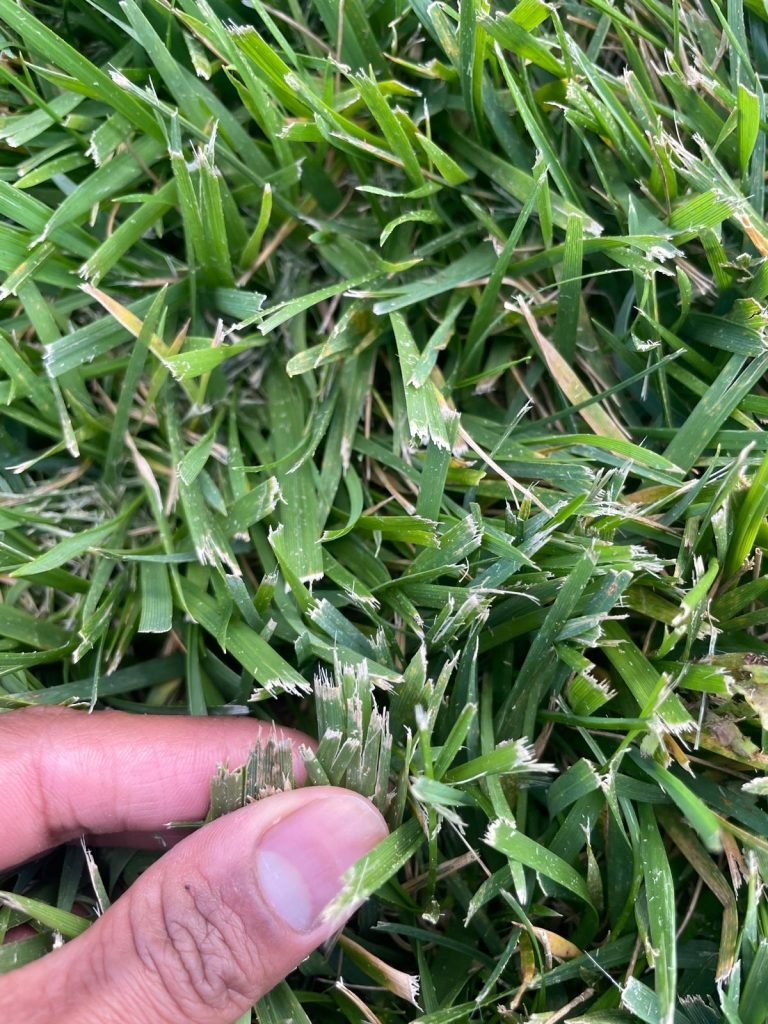
Regular blade maintenanceis important. Check the mower blade often and sharpen it if it looks dull. A dull blade tears grass instead of cutting it cleanly. This can make your lawn look brown and patchy. Replace the blade if it is bent or damaged.
- Use different mowing patterns each time.
- Mow in straight lines one time, then mow diagonally next.
- This helps prevent soil compaction and ruts.
- It also encourages grass to grow evenly.
- Change direction to avoid wearing out the same areas.

Credit: www.reddit.com
Common Mistakes To Avoid
Cutting fescue grass too shortcan stress the lawn. It weakens roots and invites weeds. Always leave at least 3 inches of grass height. This helps grass stay green and healthy.
Mowing wet grassis a bad idea. It causes clumps that block sunlight and air. Wet grass also clogs mower blades and can lead to uneven cuts. Wait until the grass is dry before mowing.
Neglecting equipment carereduces mower performance. Dull blades tear grass instead of cutting it cleanly. Clean and sharpen blades often. Check oil and fuel regularly. Well-maintained tools save time and keep lawns neat.
Additional Lawn Care Tips
Mow fescue grass when it reaches about 3 inches tall to keep it healthy. Avoid cutting more than one-third of the blade at a time for best results. Regular mowing helps prevent weeds and promotes strong growth.
Watering Practices
Watering in the early morning is best. This helps the grass soak up the water. Avoid watering at night. Wet grass at night can cause disease. Use a sprinkler for even coverage. Water deeply but not too often. This helps roots grow strong and deep. Keep your grass healthy and green.
Fertilizing Schedule
Fertilize in spring and fall. Use a balanced fertilizer for best results. Follow the instructions on the package. Over-fertilizing can harm your grass. Under-fertilizing leaves it weak and thin. A good schedule keeps your lawn lush. Remember to water after fertilizing. This helps the nutrients sink into the soil.
Weed Control
Pull weeds by hand when you see them. Use a weed killer if needed. Follow the instructions carefully. Too much can harm your grass. Keep your lawn thick and strong. This makes it hard for weeds to grow. A healthy lawn means fewer weeds. Mulch can also help stop weeds.

Credit: www.lawnsite.com

Credit: www.reddit.com
Frequently Asked Questions
When Is The Best Time To Mow Fescue Grass?
The best time to mow fescue grass is during its active growing seasons, typically spring and fall. Mowing during these times promotes healthy growth and reduces stress on the grass.
How Often Should I Mow Fescue Grass?
Mow fescue grass every 1 to 2 weeks during the growing season. This frequency helps maintain its ideal height and keeps the lawn healthy and dense.
What Is The Ideal Height To Mow Fescue Grass?
The ideal mowing height for fescue grass is between 2. 5 to 3. 5 inches. Keeping this height encourages strong roots and prevents weed growth.
Can I Mow Fescue Grass In Summer?
Yes, but mow fescue grass less frequently in summer. Higher temperatures slow growth, so mowing every 2 to 3 weeks helps avoid stress.
Conclusion
Mowing fescue grass at the right time keeps your lawn healthy. Cut it when the grass reaches about 3 to 4 inches tall. Avoid cutting too short to prevent stress on the grass. Regular mowing encourages strong roots and a thick lawn.
Watch for weather changes and slow growth in cold months. Careful mowing helps your yard look green and fresh all season. Remember, patience and timing make a big difference in lawn care. Keep your fescue grass happy with simple, steady mowing habits.





