Is your mower suddenly losing power or struggling to start? It might be time to check your mower’s charging system.
Knowing exactly when to inspect this crucial part can save you from unexpected breakdowns and costly repairs. You’ll discover the key signs that your mower’s charging system needs attention and simple steps you can take to keep it running smoothly.
Keep reading—you don’t want to miss these easy tips that can extend your mower’s life and keep your yard looking perfect.
Signs Of Charging System Issues
Knowing the signs of mower charging system issues helps prevent breakdowns. Problems with the charging system affect mower performance and battery life. Watch for warning signs early to avoid costly repairs.
Slow Starting Problems
When the mower starts slowly or struggles to crank, the charging system may be faulty. The battery might not get enough power from the alternator. This causes weak starts and can leave you stranded.
Dimming Lights
If the mower’s headlights or dashboard lights dim during use, the charging system may not supply enough power. Dimming lights often indicate a failing alternator or loose wiring. This issue can worsen if left unchecked.
Battery Drain Symptoms
A battery that frequently dies or loses charge quickly points to charging system trouble. The alternator may not recharge the battery properly while the engine runs. Continuous battery drain reduces mower reliability and increases maintenance costs.

Credit: www.youtube.com
Key Times To Inspect The Charging System
Knowing the right moments to check your mower’s charging system can save you from unexpected breakdowns and costly repairs. Regular inspection ensures your mower starts smoothly and runs efficiently when you need it most. Below are key times to pay close attention to the charging system so you can keep your mower in top shape.
Before Seasonal Use
Before you fire up your mower for the season, take a moment to inspect the charging system. Batteries can lose charge or develop issues during off-seasons, leading to starting problems. Checking connections, voltage, and the alternator now prevents surprises on that first mow day.
Have you ever struggled with a mower that wouldn’t start after winter? A quick charging system check can often be the simple fix you need.
After Long Storage
Leaving your mower unused for months can drain or damage the battery. Even if you stored it properly, corrosion or loose wires may develop during long storage. Testing the charging system immediately after storage helps identify and address these issues before they affect performance.
Think about how much easier lawn care is when you handle maintenance before problems pop up.
Following Unexpected Shutdowns
If your mower suddenly shuts down during use, the charging system might be the culprit. Electrical faults, battery failure, or alternator problems can cause abrupt power loss. Inspecting the system right after such incidents helps pinpoint the problem and prevents repeat shutdowns.
Ask yourself: Could a quick check after a breakdown save you from frustration next time?
Tools Needed For Checking
Essential tools for checking your mower’s charging system include a multimeter and a wrench set. These help test voltage and access battery connections easily. Regular checks prevent unexpected mower failures.
To ensure your mower’s charging system works properly, gather the right tools. This helps diagnose issues and maintain efficiency. A few essential tools make the process easier. Key tools include a multimeter and a voltage tester. Both are vital for accurate readings.Multimeter Basics
A multimeter measures voltage, current, and resistance. It’s a versatile tool for checking electrical systems. Choose a digital multimeter for easy reading. Set it to the right measurement mode. For voltage, select the DC voltage option. Attach the probes to the battery terminals. Red connects to positive, black to negative. Note the voltage reading displayed.Voltage Tester Tips
A voltage tester checks electrical circuits quickly. It’s simpler than a multimeter. Ensure it’s suitable for DC circuits. Connect the tester to the battery. Watch for indicator lights. A lit light shows voltage presence. No light suggests a problem. Keep the voltage tester in good condition. Replace its batteries regularly for accurate testing.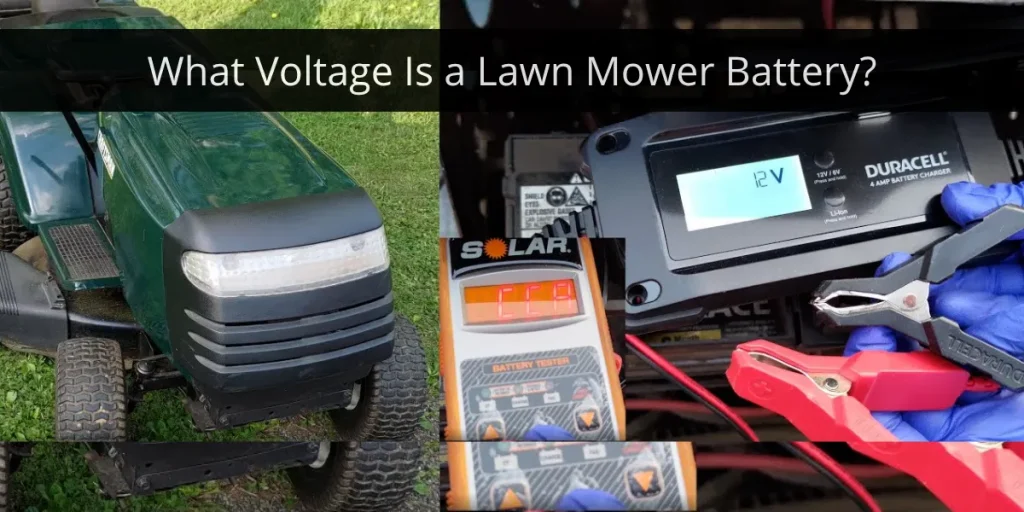
Credit: www.tycorunenergy.com
Step-by-step Charging System Check
Checking your mower’s charging system helps keep it running smoothly. A simple step-by-step check can spot issues early. This saves time and money on repairs. Follow these clear steps to test the system yourself.
Battery Voltage Test
Start by testing the battery voltage with a multimeter. A fully charged battery shows about 12.6 volts. Turn off the mower before testing. Connect the multimeter probes to the battery terminals. Check the reading carefully. A low voltage means the battery may need charging or replacement.
Alternator Output Check
Next, check the alternator output to see if it charges the battery. Start the mower and keep it running. Measure the voltage at the battery terminals again. The voltage should rise to 13.5 to 14.5 volts. This shows the alternator is working well. A lower reading means the alternator or regulator might be faulty.
Belt And Connection Inspection
Inspect the belt that drives the alternator. Look for cracks, wear, or looseness. A worn or loose belt can stop the alternator from charging. Also, check all electrical connections. Clean any dirt or corrosion found on terminals. Tighten loose connections to ensure proper contact.
Maintenance Practices To Prolong System Life
Maintaining your mower’s charging system extends its life and keeps it reliable. Regular care helps avoid sudden breakdowns and costly repairs. Simple tasks keep the battery and wiring in good shape. They ensure the system charges efficiently every time you mow.
Cleaning Battery Terminals
Dirty terminals block the flow of electricity. Clean them often to prevent corrosion. Use a wire brush or sandpaper to remove buildup. Wipe the terminals with a damp cloth afterward. This keeps the connection strong and stable.
Securing Wiring Connections
Loose wires cause poor charging and system failure. Check all wiring connections regularly. Tighten any loose ends using the correct tools. Replace damaged wires to ensure safety. A secure connection prevents power loss and sparks.
Replacing Worn Components
Parts wear out over time and affect performance. Inspect belts, fuses, and cables for signs of damage. Change any worn or broken parts quickly. Using new components keeps the system running smoothly. It also avoids bigger problems later on.
When To Seek Professional Help
Knowing when to seek professional help for your mower’s charging system is essential. Some problems require expert knowledge and tools. Handling complex electrical issues without experience may cause more damage. Timely professional intervention saves time and money.
Complex Electrical Issues
Electrical systems in mowers can be complicated. Problems like faulty wiring or damaged stators need special skills. Diagnosing these issues requires proper equipment. Professionals can identify hidden faults quickly. Attempting repairs yourself might risk injury or worsen the problem.
Persistent Charging Failures
Repeated charging failures signal deeper issues. If your mower battery won’t charge despite basic fixes, call a technician. Persistent problems may involve the alternator or voltage regulator. Experts can test and replace parts safely. This ensures your mower runs smoothly and reliably.

Credit: www.tycorunenergy.com
Frequently Asked Questions
When Should I Test My Mower Charging System?
Test your mower charging system if the battery won’t hold a charge. Also check after long storage or if the engine runs irregularly. Regular checks every season help avoid unexpected breakdowns and ensure smooth operation.
How Do I Know If Mower Charging System Is Faulty?
Signs include dim headlights, battery not charging, or engine stalling. A multimeter test can confirm voltage output. If voltage is low or inconsistent, the charging system likely needs repair or replacement.
Can A Bad Charging System Damage The Mower Battery?
Yes, a faulty charging system can overcharge or undercharge the battery. This causes battery damage, reducing its lifespan and performance. Regular inspection protects battery health and keeps the mower running efficiently.
How Often Should Mower Charging System Be Inspected?
Inspect the charging system at least once a year or before mowing season. Frequent checks prevent surprises and maintain mower reliability. Follow your mower’s manual for specific maintenance intervals.
Conclusion
Checking your mower’s charging system keeps it running smoothly. Watch for signs like dim lights or slow starts. Regular checks prevent unexpected breakdowns and save repair costs. Test the battery and charging parts often, especially before heavy use. A healthy charging system means your mower works when you need it.
Stay alert and maintain your mower to avoid hassle. Simple care helps your mower last longer and cut grass better. Don’t wait until problems appear—check early and keep your mower ready.