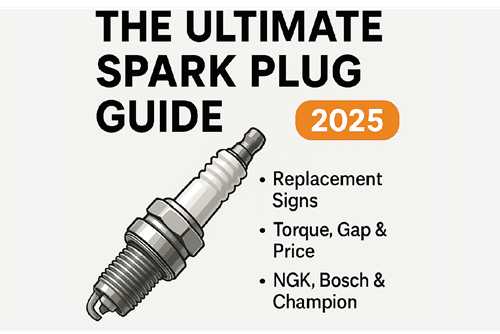
Have you ever wondered why your car isn’t running as smoothly as it used to? Perhaps it doesn’t accelerate as quickly, or maybe you’ve noticed it’s guzzling more gas than usual.
The culprit might be something as simple as your spark plugs. These small, yet mighty components are crucial to the performance of your vehicle. Knowing when to change spark plugs can save you from bigger problems down the road. You’ll discover the telltale signs that it’s time for a change, and how this simple maintenance task can keep your car running efficiently and economically.
Stay tuned to ensure your ride is always in top shape!

Credit: www.reddit.com
Signs Of Worn Spark Plugs
Worn spark plugs affect engine performance in many ways. They cause problems that are easy to notice. Recognizing these signs helps keep your car running smoothly. Catching issues early saves money on repairs and improves fuel efficiency.
Engine Misfires And Rough Idling
Worn spark plugs often cause engine misfires. The engine may hesitate or jerk while driving. Rough idling happens when the engine shakes at low speeds. This makes driving uncomfortable and can harm engine parts.
Reduced Fuel Efficiency
Old spark plugs burn fuel less efficiently. Your car uses more gas than usual. This leads to higher fuel costs and more pollution. A drop in miles per gallon signals worn spark plugs.
Difficulty Starting The Engine
Worn spark plugs make starting the engine hard. The engine may crank longer before it starts. Sometimes, it fails to start at all. This problem grows worse as spark plugs wear out.
Unusual Engine Noises
Listen for knocking or pinging sounds from the engine. These noises often mean spark plugs are faulty. Strange sounds can damage the engine over time. Replace spark plugs to keep your car quiet and safe.

Credit: www.youtube.com
Recommended Replacement Intervals
Knowing the right time to change spark plugs helps keep your engine running smooth. Spark plugs wear down over time. Replacing them at the right interval prevents misfires and poor fuel economy. Various factors influence when to replace spark plugs. Understanding these helps avoid engine problems and costly repairs.
Manufacturer Guidelines
Car makers provide specific spark plug replacement intervals. These are based on the engine design and testing. Typical recommendations range from 30,000 to 100,000 miles. Check the owner’s manual for exact numbers. Following these guidelines ensures optimal engine performance and longevity.
Impact Of Driving Conditions
Driving habits affect spark plug life. Frequent short trips, stop-and-go traffic, and dusty roads cause faster wear. Extreme weather also impacts spark plugs. Harsh conditions may require earlier replacements. Adjust maintenance schedules based on your daily driving environment.
Types Of Spark Plugs And Lifespan
Spark plug materials influence how long they last. Copper plugs usually last around 20,000 to 30,000 miles. Platinum plugs have a longer life, about 60,000 miles. Iridium plugs offer the best durability, often reaching 100,000 miles or more. Choose plugs based on your car’s needs and budget.
Effects Of Neglecting Spark Plug Replacement
Neglecting to replace your spark plugs on time can cause a chain reaction of issues that affect your car’s overall health. You might not notice the damage immediately, but over time, it will become clear as your vehicle’s performance suffers. Ignoring this simple maintenance task can lead to costly repairs and frustrating driving experiences.
Engine Performance Decline
Worn spark plugs struggle to ignite the air-fuel mixture efficiently. This results in rough idling, hesitation during acceleration, and reduced power. You might feel your car isn’t responding like it used to or hear unusual engine noises. Have you ever experienced a sluggish start or unexpected stalling? This is often a sign your spark plugs need attention.
Increased Emissions
Old or fouled spark plugs cause incomplete combustion. This increases harmful emissions from your exhaust, which can fail emissions tests and harm the environment. Plus, inefficient burning of fuel means you’re literally wasting money at the pump. Wouldn’t you prefer your car to run cleaner and save fuel?
Potential Engine Damage
Ignoring spark plug replacement doesn’t just affect performance—it can damage your engine. Misfires caused by bad plugs put extra stress on your ignition coils and catalytic converter. Over time, this can lead to expensive repairs that could have been avoided with timely spark plug changes. Think about the cost difference between a simple plug swap and major engine work.

Credit: beachautomotive.com
Choosing The Right Spark Plug
Choosing the right spark plug is key to keeping your engine running smoothly and efficiently. It’s not just about picking any plug off the shelf; understanding the differences can save you time, money, and engine trouble. Let’s break down the essential factors to consider when selecting spark plugs for your vehicle.
Material Differences
Spark plugs come in various materials like copper, platinum, and iridium. Copper plugs conduct electricity well and are budget-friendly but wear out faster. Platinum and iridium plugs last longer and offer better performance, especially in modern engines.
Think about how often you change your plugs. If you drive frequently or have a high-performance engine, investing in iridium plugs might be worth it. On the other hand, if you have an older car and drive less, copper plugs could work fine.
Heat Range Importance
The heat range of a spark plug affects how it handles engine temperature. A plug that’s too hot can cause pre-ignition, damaging your engine. Too cold, and it may foul quickly, leading to misfires.
Check your vehicle’s manual or ask a professional about the recommended heat range. If you’ve ever experienced rough idling or poor fuel economy, the heat range might be the culprit. Adjusting this can improve performance significantly.
Compatibility With Vehicle Models
Not all spark plugs fit every car model. Factors like thread size, reach, and seat type vary between engines. Using the wrong plug can lead to installation issues or engine damage.
Always verify compatibility with your vehicle’s make, model, and year. Many auto parts stores offer compatibility tools, but double-checking the specs is smart. Have you ever struggled with a plug that didn’t quite fit? Avoid that hassle by confirming before purchase.
Steps For Replacing Spark Plugs
Replacing spark plugs is a key task to keep your engine running smoothly. Following the right steps ensures a safe and effective change. Each stage matters, from gathering tools to installing new plugs properly. This guide breaks down the process into clear parts. It helps anyone handle spark plug replacement with confidence.
Gathering Necessary Tools
Start by collecting all needed tools. You will need:
- Spark plug socket
- Ratchet wrench
- Extension bar
- Torque wrench
- Gap gauge
- Anti-seize compound
- Dielectric grease
- Shop rag or compressed air
Having these ready saves time and avoids frustration during the job.
Removing Old Spark Plugs
First, let the engine cool down completely. Then, remove the spark plug wires or ignition coils carefully. Use compressed air or a rag to clean the area around each plug. This stops dirt from falling inside the cylinder.
Attach the spark plug socket and extension to your ratchet. Turn counterclockwise to loosen and remove each old plug. Keep them in order to compare later if needed.
Inspecting And Preparing New Plugs
Check each new spark plug for damage before installation. Use a gap gauge to measure the electrode gap. Adjust the gap by bending the side electrode gently if needed. Apply a small amount of anti-seize compound to the plug threads. Avoid getting any on the electrodes.
Lightly coat the inside of the spark plug boot with dielectric grease. This helps prevent moisture and ensures a good connection.
Proper Installation Techniques
Insert the new spark plug carefully into the hole by hand. This prevents cross-threading, which can damage the engine. Once finger-tight, use the torque wrench to tighten to the manufacturer’s recommended setting.
Reattach the spark plug wires or ignition coils firmly. Double-check all connections. Start the engine to test for smooth operation. Listen for any unusual sounds or misfires.
Maintenance Tips For Spark Plug Longevity
Keeping your spark plugs in top shape is key to ensuring your engine runs smoothly and efficiently. Spark plugs don’t just wear out—they respond to how you maintain your engine and the quality of fuel you use. Paying attention to a few simple habits can extend their life and save you from unexpected breakdowns.
Regular Engine Tune-ups
Scheduling regular tune-ups helps catch spark plug issues before they become serious. During a tune-up, mechanics check your spark plugs for wear, gaps, and deposits that can affect performance. Have you ever noticed your engine misfiring or struggling to start? That’s often a sign that your spark plugs need attention.
Keeping up with tune-ups ensures your spark plugs fire correctly, giving your engine the power it needs every time you turn the key.
Monitoring Engine Performance
Pay close attention to how your engine feels and sounds. If you experience rough idling, reduced fuel efficiency, or difficulty accelerating, your spark plugs might be struggling. Don’t ignore these signs; they’re early warnings that maintenance is needed.
Using a simple OBD-II scanner can help you detect misfires and other spark plug-related issues before they get worse. Have you tried tracking your engine’s performance regularly? It can save you money and headaches down the road.
Using Quality Fuel And Additives
The fuel you put into your car affects your spark plugs more than you might think. Lower-quality fuel can leave deposits that foul your spark plugs, reducing their lifespan. Choosing higher-octane or cleaner-burning fuels helps keep spark plugs cleaner and functioning well.
Adding fuel system cleaners occasionally can also prevent buildup. Have you ever noticed your car running smoother after using a fuel additive? That’s your spark plugs thanking you.
Frequently Asked Questions
When Should I Change Spark Plugs In My Car?
Change spark plugs every 30,000 to 50,000 miles. Check your vehicle’s manual for exact intervals. Worn plugs reduce engine efficiency and fuel economy.
What Are Signs Of Bad Spark Plugs?
Symptoms include engine misfires, rough idling, poor fuel economy, and difficulty starting. These indicate spark plugs need inspection or replacement.
Can Old Spark Plugs Damage The Engine?
Yes, faulty spark plugs can cause misfires and engine damage. Replacing them on time prevents costly repairs and keeps the engine running smoothly.
How Do I Know If Spark Plugs Need Replacement?
Look for wear, carbon buildup, or corrosion on plugs. Poor engine performance or increased emissions also signal it’s time to change them.
Conclusion
Changing spark plugs on time keeps your engine running smooth. Worn plugs cause poor fuel use and hard starts. Check your car manual for the right change interval. Listen for rough idling or less power as warning signs. Regular checks help avoid bigger engine problems later.
Clean, new spark plugs improve your car’s performance. Stay safe by maintaining your vehicle well. Simple care saves money and time in the long run. Keep your spark plugs fresh and your car happy.





