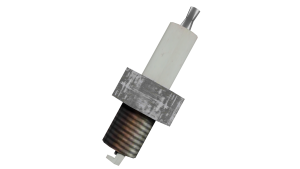
Your car’s spark plugs play a small but crucial role in keeping your engine running smoothly. But how do you know when it’s time to change them?
Ignoring worn-out spark plugs can lead to poor fuel efficiency, rough idling, and even engine misfires. If you’ve noticed your car isn’t performing like it used to, this might be the reason. You’ll learn the clear signs that tell you it’s time for a spark plug change—and how doing it at the right moment can save you money and headaches down the road.
Keep reading to find out exactly what to watch for and when to take action.
Role Of Spark Plugs
Spark plugs play a vital role in your vehicle’s engine. They create the spark needed to ignite the fuel-air mix. Without them, the engine cannot start or run smoothly. Their condition affects engine power, fuel efficiency, and emissions. Knowing their role helps you understand why timely replacement matters.
How Spark Plugs Work
Spark plugs sit in the engine’s cylinder head. They receive electrical energy from the ignition system. This energy jumps a small gap at the plug’s tip. The spark ignites the compressed fuel and air inside the cylinder. This ignition causes combustion, which powers the engine.
The spark must be strong and precise. A weak spark can cause misfires or rough running. The spark plug’s gap size and cleanliness affect this spark. Over time, deposits build up and wear down the plug. This reduces its ability to ignite fuel efficiently.
Impact On Engine Performance
Worn spark plugs lower engine power. The engine may hesitate or stall during acceleration. Fuel economy drops because combustion is incomplete. Increased emissions can cause your vehicle to fail inspections. The engine may make unusual noises or vibrations.
New spark plugs restore smooth, steady performance. They improve fuel burn and reduce harmful emissions. Ignition timing stays accurate, promoting better engine health. Regular checks and timely changes keep your car running well.
Common Spark Plug Lifespan
Spark plugs are small but mighty components in your vehicle’s engine. Knowing their typical lifespan can save you from unexpected breakdowns and costly repairs. Generally, spark plugs last anywhere between 20,000 to 100,000 miles, but this range depends on several key factors.
Factors Affecting Durability
Not all spark plugs wear out at the same rate. The type of spark plug—copper, platinum, or iridium—plays a major role in how long it lasts. For example, copper spark plugs tend to have shorter lifespans around 20,000 to 30,000 miles, while iridium plugs can last up to 100,000 miles.
Driving habits also impact spark plug life. Frequent short trips, stop-and-go traffic, or aggressive acceleration can wear plugs faster. Plus, the condition of your engine and fuel quality affects how quickly spark plugs degrade.
Manufacturer Recommendations
Your vehicle’s manual is a valuable resource. Manufacturers provide specific guidelines on when to replace spark plugs based on the engine design and plug type. Following these recommendations ensures your engine performs at its best and helps avoid premature wear.
Ignoring these guidelines might save time now but can lead to reduced fuel efficiency and engine misfires later. Have you checked your owner’s manual recently to see what it says about your spark plugs? It’s a simple step that can make a big difference in your vehicle’s health.
Signs Of Worn Spark Plugs
Worn spark plugs cause various engine problems. These signs show your spark plugs need attention. Catching these early saves time and money. Watch out for these common symptoms.
Engine Misfires And Rough Idling
Worn spark plugs cause the engine to misfire. The engine may shake or run unevenly. Rough idling happens when the engine speed changes suddenly. This affects driving comfort and engine performance.
Difficulty Starting The Engine
Old spark plugs make starting your car hard. The engine may crank longer or fail to start. This happens because spark plugs cannot ignite the fuel properly. Expect more attempts before the engine fires up.
Decreased Fuel Efficiency
Fuel consumption rises with worn spark plugs. Bad plugs burn more fuel to keep the engine running. This lowers your vehicle’s miles per gallon. You spend more money at the pump without good reason.
Poor Acceleration
Your car may feel slow when accelerating. Worn spark plugs fail to ignite fuel quickly. This reduces engine power and responsiveness. Noticeable lag appears when pressing the gas pedal hard.
Unusual Engine Noises
Listen for popping or sputtering sounds from the engine. Worn spark plugs cause irregular combustion noises. These sounds warn of spark plug problems. Ignoring them risks more serious engine damage.

Credit: www.youtube.com
Visual Inspection Tips
Visual inspection plays a vital role in deciding when to change a spark plug. It helps identify early signs of wear and damage. Simple checks can prevent engine problems and improve performance. Use a flashlight and a clean cloth for a clear view.
Checking For Carbon Deposits
Look for black, dry soot on the spark plug tip. This buildup can cause misfires and poor fuel economy. Light deposits may be normal, but thick layers signal a problem. Clean or replace the spark plug if deposits cover the electrode.
Examining Electrode Wear
Inspect the electrode for rounded edges or erosion. Sharp edges ensure a strong spark for combustion. Worn electrodes reduce spark efficiency and engine power. Replace plugs showing visible wear to maintain smooth engine function.
Detecting Oil Or Fuel Fouling
Check for wet, oily residue on the spark plug. Oil fouling indicates engine oil entering the combustion chamber. Fuel fouling appears as a wet, black coating from excess fuel. Both conditions can cause misfires and poor starts. Changing the spark plug helps restore engine health.
Consequences Of Ignoring Replacement
Ignoring the need to replace spark plugs can cause serious problems for your vehicle. Small issues may grow into costly repairs. Your car’s performance and the environment both suffer. Knowing the risks helps avoid damage and extra expenses.
Increased Emissions
Old spark plugs cause incomplete fuel burning. This increases harmful gases released from the tailpipe. Pollution rises, harming air quality around you. Your car may also fail emissions tests. This leads to fines or repair demands.
Engine Damage Risks
Worn spark plugs make the engine work harder. Misfires and rough idling become common. Over time, this stresses engine parts. Pistons, valves, and catalytic converters can get damaged. Repairing these parts is often expensive and time-consuming.
Higher Repair Costs
Delaying spark plug replacement leads to bigger repairs. Small fixes turn into major engine work. Labor and parts costs increase quickly. Regular maintenance saves money and prevents breakdowns. Replacing spark plugs on time avoids these extra costs.
Choosing The Right Spark Plugs
Choosing the right spark plugs is crucial for your vehicle’s performance and fuel efficiency. The correct spark plugs ensure smooth ignition and prevent engine problems. Understanding the types and matching them to your vehicle helps you make the best choice.
Types Of Spark Plugs
Spark plugs come in various types, each designed for different needs and engines.
- Copper:Basic type, good conductor, but wears faster.
- Platinum:Lasts longer than copper, offers better performance.
- Iridium:Very durable, provides strong sparks, ideal for modern engines.
- Double Platinum:Both electrodes coated, extends life and improves efficiency.
Matching Plugs To Your Vehicle
Use the vehicle’s manual to find the recommended spark plug type and size. Different engines require specific heat ranges and gap settings for best function. Installing the wrong plug can cause poor fuel economy or engine misfires.
Consider the driving conditions too. High-performance engines may need iridium plugs for better durability. Older cars might work well with copper plugs. Always check for compatibility before buying new spark plugs.
Maintenance Tips To Extend Spark Plug Life
Keeping your spark plugs in good shape is key to maintaining your engine’s performance. Simple maintenance steps can stretch their lifespan and save you from unexpected breakdowns. Let’s dive into practical tips that make a real difference.
Regular Engine Tune-ups
Scheduling regular engine tune-ups helps catch spark plug wear before it causes problems. During a tune-up, mechanics check the spark plugs for signs of damage or fouling. This proactive approach ensures your engine runs smoothly and prevents costly repairs down the road.
Have you noticed your car hesitating or losing power? It might be time to check those spark plugs during your next tune-up.
Using Quality Fuel
The fuel you put in your tank affects your spark plugs directly. Low-quality or contaminated fuel leaves deposits on the plugs, reducing their efficiency. Opt for reputable fuel brands to keep the combustion chamber cleaner and extend plug life.
Think about how often you fill up at unknown stations. Could better fuel choices improve your spark plugs’ condition and your engine’s health?
Avoiding Harsh Driving Habits
Driving aggressively with rapid acceleration or frequent short trips can wear out spark plugs faster. These habits cause incomplete combustion and carbon buildup on the plugs. Gentle driving and allowing your engine to warm up properly can prevent premature spark plug failure.
Next time you’re in a hurry, consider how your driving style might be affecting your spark plugs and overall engine life.

Credit: www.reddit.com
Credit: modernautoparts.co.za
Frequently Asked Questions
How Often Should Spark Plugs Be Changed?
Spark plugs typically need replacement every 30,000 to 100,000 miles. Check your vehicle manual for specific intervals. Regular changes ensure better engine performance and fuel efficiency.
What Are Signs Of Worn Spark Plugs?
Signs include rough idling, engine misfires, poor fuel economy, and difficulty starting. If you notice these, inspect and consider replacing spark plugs promptly.
Can Old Spark Plugs Damage The Engine?
Yes, worn spark plugs can cause misfires and poor combustion. This leads to engine strain and potential damage over time. Timely replacement prevents costly repairs.
How To Check If Spark Plugs Need Replacement?
Remove and inspect spark plugs for wear, deposits, or damage. If electrodes are eroded or fouled, it’s time to replace them. Use a spark plug gap tool for accuracy.
Conclusion
Changing spark plugs is crucial for engine performance. Ignoring them risks misfires and poor fuel efficiency. Regular checks ensure your car runs smoothly. Listen for rough idling or trouble starting. These are signs to replace spark plugs. Keep a maintenance schedule.
It helps avoid unexpected issues. Always consult your vehicle’s manual for guidance. A small effort in maintenance saves time and money. Keep your car in top shape. Regular spark plug changes make a big difference. Enjoy a smoother, more efficient drive.
Your car will thank you.